48-Hour Ultimatum: The Hormuz Crisis That Could Tip the World
By: Javid Amin | 21 March 2026
The Tipping Point: A 48-Hour Deadline with Global Consequences
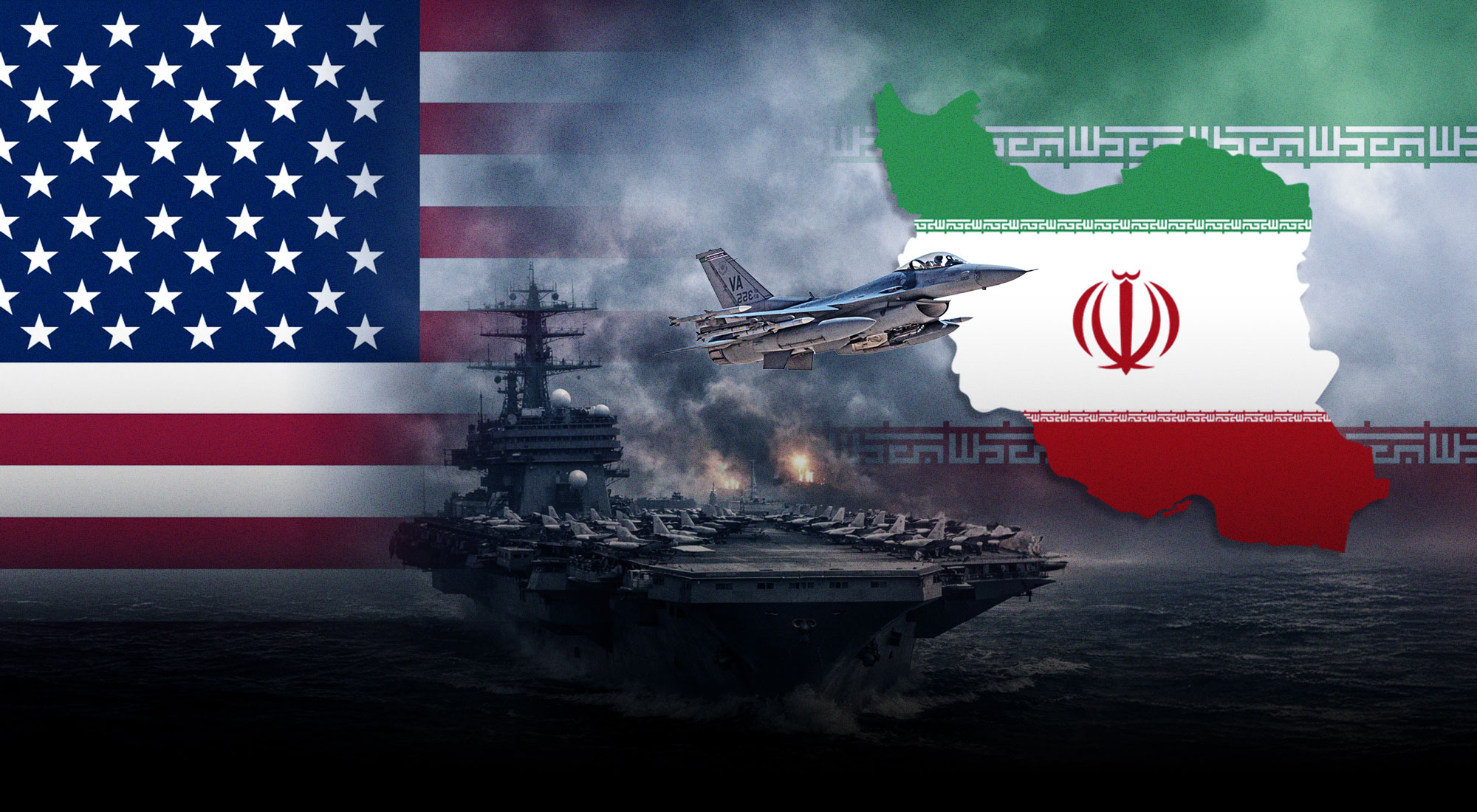
The war between the United States and Iran has entered its most dangerous phase yet.
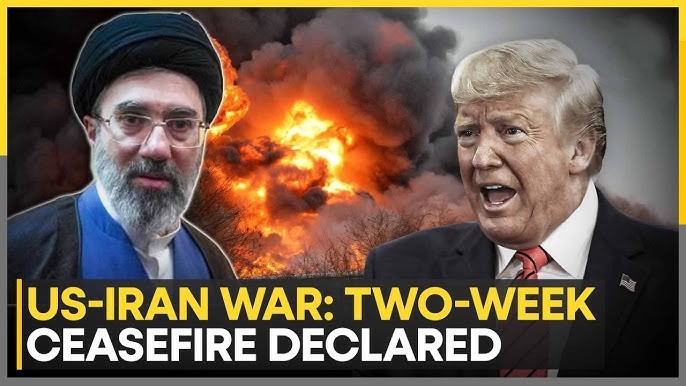
A direct ultimatum—reportedly issued by Donald Trump—demands that Iran reopen the Strait of Hormuz within 48 hours or face strikes on its power generation infrastructure.
This is not just another escalation. It represents a doctrinal shift:
From targeting military assets → to threatening civilian-critical infrastructure.
Such a move dramatically raises both strategic stakes and humanitarian risks.
What Has Changed: Signals of Rapid Escalation
1. Targeting Energy → Now Targeting Civilian Systems
Until now, the conflict focused on:
- missile bases
- nuclear-linked facilities
- oil and gas infrastructure
The threat to strike power plants marks a new escalation ladder:
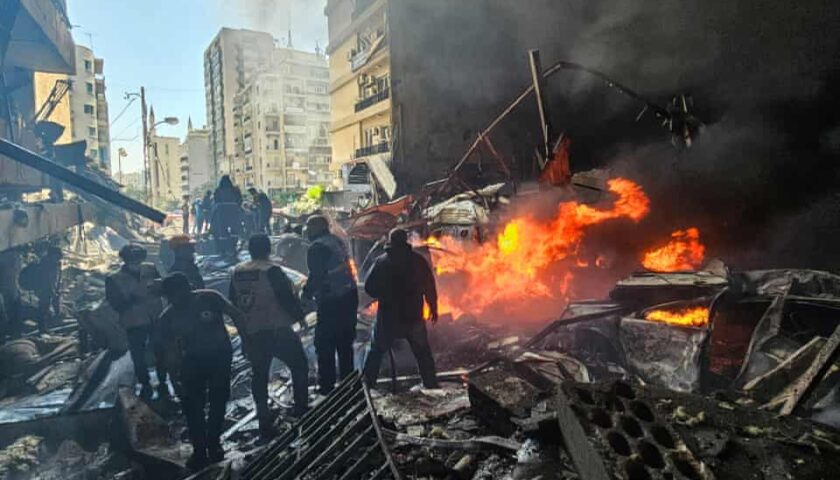
- risks large-scale blackouts
- disrupts hospitals, water supply, communications
- increases civilian suffering exponentially
This blurs the line between military pressure and systemic collapse.
2. Expansion of the Battlespace
Iran’s recent actions confirm a widening conflict:
- Strike near Sharjah in the United Arab Emirates
- Missile impacts near sensitive zones in Israel
- Long-range strike on Diego Garcia
The pattern is clear:
No location is considered out of reach anymore
This shifts the war from regional containment to extended deterrence confrontation.
3. Strategic Signaling from the UK
The deployment of a nuclear-powered submarine by the United Kingdom into the Arabian Sea is a calibrated move:
- Signals NATO-aligned deterrence without full-scale entry
- Adds precision strike capability (Tomahawk missiles)
- Reinforces maritime security posture around Hormuz
However, it also reflects limited involvement, not full coalition unity.
The Core Battlefield: The Strait of Hormuz
Everything now revolves around the Strait of Hormuz.
Why It Matters:
- ~25% of global oil passes through it
- ~20% of LNG shipments depend on it
- It connects Gulf producers to global markets
Current Reality:
- Shipping severely disrupted
- Insurance premiums surging
- Naval tensions escalating
Even partial closure has already:
- driven oil price spikes
- triggered LNG shortages
- increased global inflation pressure
Strategic Positions: A Direct Confrontation of Doctrines
United States: Coercive Dominance Strategy
Objectives:
- Reopen Hormuz immediately
- Neutralize Iran’s nuclear/missile capabilities
- Reassert control over Gulf security architecture
Tools:
- Airpower and naval dominance
- Economic pressure
- Escalatory signaling (e.g., power plant threat)
Constraints:
- Limited NATO backing
- Domestic political pressure
- Risk of global economic backlash
Iran: Asymmetric Escalation Strategy
Objectives:
- Maintain leverage by keeping Hormuz contested
- Demonstrate resilience and long-range capability
- Internationalize the economic cost of war
Tools:
- Missile and drone strikes
- Proxy networks (Hezbollah, Houthis)
- Energy disruption
Strength:
Iran doesn’t need to win militarily—it needs to raise the cost of war globally
The Diego Garcia Factor: A Strategic Shockwave
The strike on Diego Garcia is arguably the most consequential development so far.
Why it matters:
- It extends the battlefield into the Indian Ocean region
- Challenges US assumptions about safe rear bases
- Signals potential for global-range deterrence
Even if damage is limited, the psychological and strategic impact is profound:
Distance is no longer a guarantee of safety
Global Implications: A System Under Stress
1. Energy Crisis
- Oil prices surging
- LNG markets tightening
- Supply chains disrupted
Countries most affected:
- India
- China
- European economies
2. Trade & Aviation Disruption
- Rerouting of flights
- Increased shipping costs
- Insurance risk premiums rising
This creates a secondary inflation wave globally.
3. Diplomatic Fragmentation
- US facing criticism for escalation
- China and Russia positioning as mediators
- Western unity showing cracks
4. Civilian Risk Surge
Targeting infrastructure increases:
- humanitarian crisis potential
- urban vulnerability
- global political backlash
30-Day Scenario Analysis: What Happens Next
🟢 Scenario 1: Forced De-escalation (Best Case)
Trigger:
- Backchannel diplomacy
- Partial reopening of Strait of Hormuz
Outcome:
- Oil stabilizes
- Ceasefire talks begin
- Military activity reduces
Probability: Low–Moderate
🔴 Scenario 2: Regional War Explosion (Worst Case)
Trigger:
- US strikes Iranian power plants
- Iran escalates across Gulf and Israel
Outcome:
- Multi-country war
- Severe infrastructure destruction
- Global recession likely
Probability: Moderate
🟡 Scenario 3: Controlled Escalation (Most Likely)
Trigger:
- Neither side backs down
- Limited strikes continue
Outcome:
- Hormuz remains contested
- Energy prices stay high
- Persistent instability
Probability: High
Strategic Insight: A War of Leverage, Not Victory
This conflict is no longer about decisive military victory.
It is about:
- Control vs disruption
- Dominance vs resilience
Reality Check:
- United States controls the battlefield
- Iran influences the global system
Final Assessment: The Most Dangerous Phase Yet
The 48-hour ultimatum is not just a tactical move—it is a strategic gamble.
If enforced, it could:
- escalate the war dramatically
- deepen global economic crisis
- draw more actors into conflict
If ignored, it could:
- weaken US credibility
- embolden Iran’s strategy
Bottom Line
The war has reached a point where every move carries global consequences.
- Hormuz is the central flashpoint
- Energy is the primary weapon
- Escalation risks are accelerating
And the defining truth:
This is no longer a regional war—it is a systemic crisis with global stakes.