Sonam Wangchuk Released from NSA Detention: Ladakh Statehood, Sixth Schedule Demand & Movement Explained
By: Javid Amin | 22 March 2026
A Hero’s Return to the Mountains
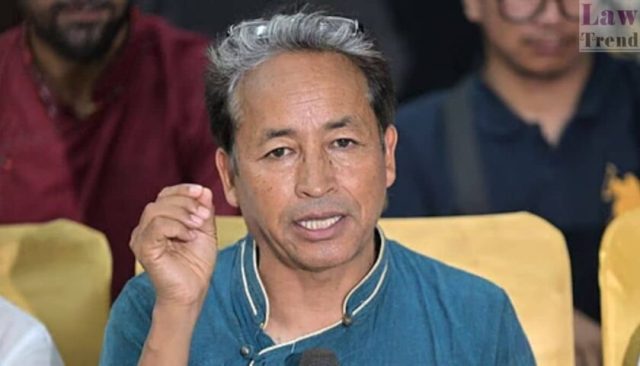
After nearly six months in detention under one of India’s most stringent laws, Sonam Wangchuk returned to Leh on March 22, 2026, to an overwhelming public reception.
Thousands gathered across the high-altitude town—lining roads, chanting slogans, and celebrating the return of a man who has become the face of Ladakh’s modern political awakening.
Yet, standing before his supporters, Wangchuk struck a careful tone.
“This is not my personal fight, but Ladakh’s.”
It was a deliberate reframing—transforming his detention and release from an individual story into a collective movement centered on identity, environment, and constitutional rights.
From Detention to Dialogue: The Turning Point
Wangchuk had been detained under the National Security Act in September 2025, amid intensifying protests in Ladakh.
His incarceration—spent largely in Jodhpur Central Jail—quickly became a rallying point for civil society, students, religious bodies, and political groups across the region.
For many Ladakhis, the detention symbolized:
- A shrinking space for peaceful dissent
- Growing anxieties over governance and representation
- Concerns about ecological vulnerability
His release, following the Centre’s decision to revoke the NSA order, is now being widely interpreted as a strategic reset.
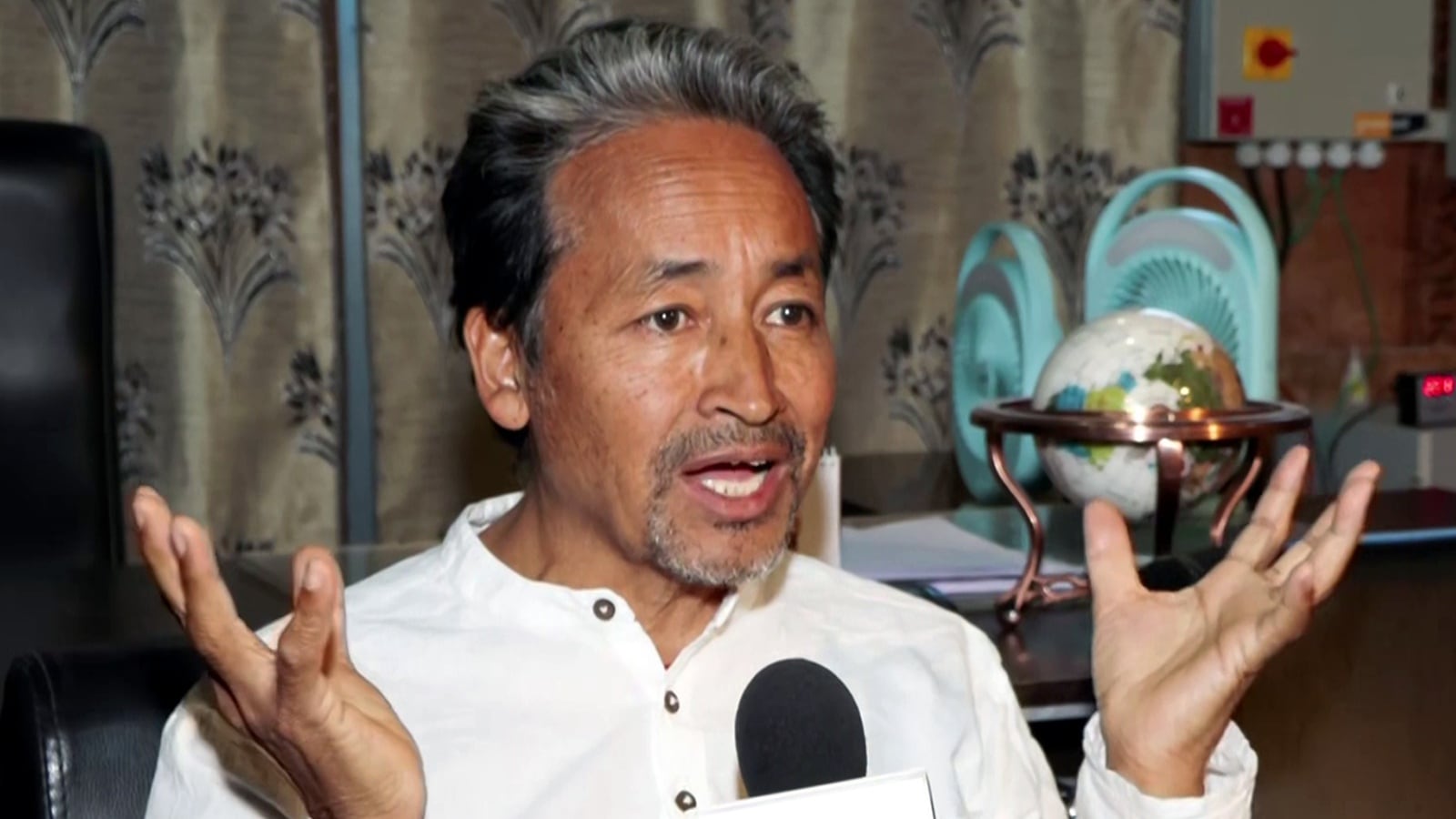
Wangchuk himself described it as a “win-win” situation—an opening for rebuilding trust between Ladakh and New Delhi.
“Not My Fight”: Reframing the Movement
At the heart of Wangchuk’s message is a clear attempt to depersonalize the movement.
Rather than positioning himself as a political leader, he has consistently emphasized collective ownership.
Core Themes of His Message
- People-Centric Struggle: The movement belongs to Ladakh’s citizens, not any individual
- Cultural Preservation: Protecting Ladakh’s unique identity and traditions
- Environmental Urgency: Safeguarding one of the world’s most fragile ecosystems
This framing is strategically significant.
It prevents the movement from becoming personality-driven—ensuring continuity even beyond Wangchuk himself.
The Three Pillars of Ladakh’s Demands
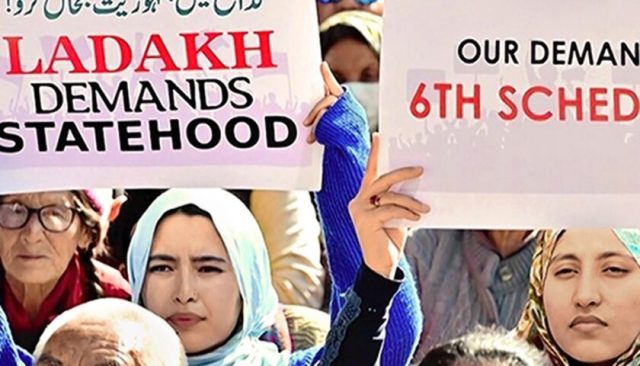
1. Full Statehood
Since Ladakh became a Union Territory in 2019, demands for full statehood have steadily grown.
Supporters argue that statehood would:
- Provide legislative autonomy
- Strengthen democratic accountability
- Ensure better representation in governance
2. Sixth Schedule Status
A central demand of the movement is inclusion under the Sixth Schedule of the Constitution of India.
This provision offers:
- Autonomous district councils
- Protection of tribal land rights
- Safeguards for cultural identity
For Ladakh, with its significant tribal population, this is seen as essential to prevent demographic and economic marginalization.
3. Environmental Protection
Unlike many political movements, Ladakh’s agitation places ecology at its core.
Wangchuk has repeatedly warned that:
- Unregulated development could damage fragile Himalayan ecosystems
- Climate change impacts are already visible in Ladakh
- Industrial expansion without safeguards could irreversibly alter the region
This environmental framing has given the movement national and global resonance.
A Movement Defined by Non-Violence
One of the most striking aspects of Wangchuk’s leadership is his insistence on peaceful protest.
Even after months of detention, his message remains consistent:
- Avoid confrontation
- Engage in dialogue
- Maintain moral legitimacy
This approach sharply distinguishes Ladakh’s agitation from more confrontational movements in other regions.
Why This Matters
- It strengthens the movement’s credibility
- It increases the likelihood of policy engagement
- It reduces the risk of state crackdown
In a politically sensitive border region like Ladakh, this strategy is both pragmatic and symbolic.
Public Reception: A Mandate from the Ground
Wangchuk’s return to Leh was not merely ceremonial—it was political.
The massive turnout reflected:
- Deep public trust in his leadership
- Widespread support for the movement’s demands
- Emotional investment in Ladakh’s future
For policymakers in Delhi, such scenes are difficult to ignore.
They signal that the movement is not fringe—but deeply rooted in public sentiment.
Justice and Accountability: Unresolved Questions
Even as he called for dialogue, Wangchuk raised critical issues that remain unresolved.
1. Cases Against Protesters
He urged authorities to provide relief to individuals facing legal action due to their participation in protests.
This demand highlights concerns about:
- Criminalization of dissent
- Long-term legal consequences for activists
2. September 24 Firing Incident
Wangchuk also called for justice for victims of the September 24 firing incident—an episode that continues to cast a shadow over the movement.
This reflects a broader demand:
Accountability must accompany reconciliation.
Timeline: The Rise of the Ladakh Movement
September 2025 — Detention
Wangchuk is detained under the National Security Act during protests.
Late 2025 — Protests Continue
Civil society sustains agitation despite his absence.
Early 2026 — National Attention Grows
Pressure mounts on the Centre to engage with Ladakh’s demands.
March 21, 2026 — Release
NSA detention revoked; Wangchuk freed from Jodhpur.
March 22, 2026 — Return to Leh
Mass reception; call for non-violence and dialogue.
Political Implications: A New Negotiation Phase
1. A “Win-Win” Moment for the Centre
By revoking Wangchuk’s detention, the government has:
- Reduced immediate tensions
- Opened space for dialogue
- Avoided escalation
At the same time, it retains leverage by not conceding demands outright.
2. Wangchuk as a Negotiator
His stature has now evolved:
- From activist → to movement leader
- From protester → to potential interlocutor
His credibility among Ladakhis positions him as a key bridge between the region and the Centre.
3. Strategic Importance of Ladakh
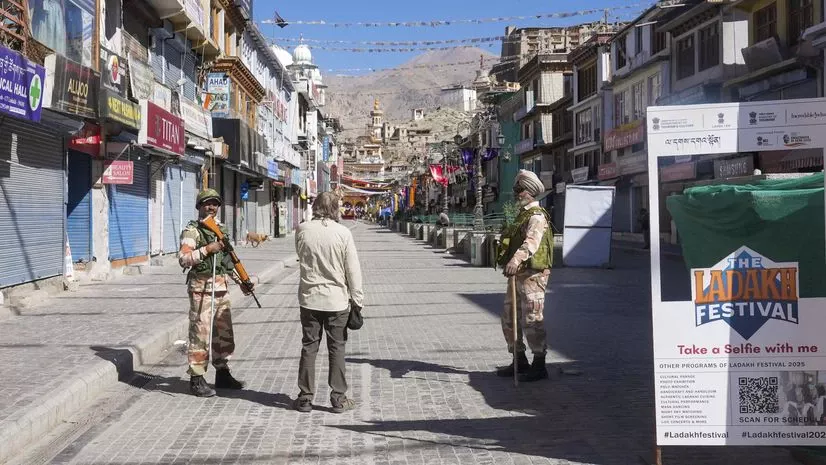
Ladakh is not just a regional issue—it is geopolitically sensitive.
Bordering both China and Pakistan, the region holds strategic significance for India.
Any policy decision must therefore balance:
- National security
- Local aspirations
- Environmental sustainability
A Different Kind of Resistance
Wangchuk’s movement stands out in India’s protest landscape.
It combines:
- Constitutional demands (statehood, Sixth Schedule)
- Environmental activism
- Non-violent strategy
This hybrid model makes it harder to dismiss—and easier to engage with.
Conclusion: A Moment of Possibility for Ladakh
The release of Sonam Wangchuk marks more than the end of a detention.
It signals the beginning of a new phase in Ladakh’s political journey.
A phase defined not by confrontation—but by negotiation.
Not by individuals—but by collective aspiration.
The coming months will be crucial.
Will dialogue translate into policy?
Will Ladakh’s demands reshape India’s approach to tribal rights and environmental governance?
Or will this moment of optimism fade into another cycle of unmet expectations?
For now, one thing is clear:
The mountains are speaking—and the voice is growing louder.