Middle East War Report: Major Installations Hit in Iran, Israel & Gulf | March 2, 2026 Analysis
By: Javid Amin | 02 March 2026
Executive Summary
As of 14:00 Indian Standard Time on March 2, 2026, the conflict between Iran and Israel has entered one of its most volatile phases in decades, with repercussions rippling across the broader Middle East.
Key developments include:
-
Multiple major Iranian military installations have been struck by Israeli forces, including naval and air bases and high-value command centers — but no verified hits on Iran’s nuclear facilities.
-
Israel’s missile defenses have intercepted ballistic strikes over northern Israel; no confirmed damage to Israeli nuclear installations such as Dimona.
-
Gulf states and allied bases — including U.S. facilities in Kuwait, Bahrain, and Qatar — have been targeted by missile and drone barrages launched by Iranian forces.
-
Civilian areas in Dubai and Doha have reported explosion impacts, prompting international concern.
-
Proxies allied with Iran (Hezbollah, Houthis, and Iraqi militias) have escalated operations, increasing risks of a broader regional confrontation.
This feature covers the verified on-ground situation, installation by installation, alongside geopolitical context, human impact, and what this means for global security.
Iran: Major Installations Hit; Nuclear Sites Still Intact
01. Konarak Naval Base — Devastation in the South
The Konarak Naval Base in Iran’s southern coastal region has been confirmed as one of the most significant military sites struck during this conflict.
-
Satellite imagery and corroborated open-source footage show extensive destruction of naval infrastructure, including:
-
Warship pens and support facilities.
-
Drone storage and launch facilities.
-
Ammunition depots and logistic hubs.
-
-
Sources within defense analysis circles confirm this base was specifically targeted for its role in Iran’s maritime drone and anti-ship missile programs.
The impact has not only been physical destruction but operational disruption of Iran’s southern maritime surveillance and strike capabilities.
02. Air Bases Near Konarak — Runway and Hangar Damage
Within the same theatre of operations, air bases in the vicinity of Konarak have sustained damage severe enough to disrupt fixed-wing and rotary flight operations.
-
Runways now feature craters from precision munitions.
-
Aircraft hangars housing surveillance and transport jets reportedly damaged beyond operational use.
-
These strikes have degraded Iran’s ability to conduct rapid aerial response missions.
03. IRGC Command Centers — Targeted Strikes
One of the most telling blows has been to the Islamic Revolutionary Guard Corps (IRGC) command infrastructure.
While exact coordinates remain classified, independent military analysis (including flight path deconfliction data from open aviation tracking services) confirms:
-
At least one major command and control hub was struck.
-
Communications disruption among senior corps elements has been reported.
-
The broader effect has been a temporary degradation of IRGC coordinated response efforts.
04. Casualty Overview in Iran
Compiled provincial reports indicate:
-
200+ confirmed fatalities across at least 24 provinces since the initial phases of the strikes.
-
A mixture of military personnel and civilians are included in these figures.
-
Hospitals in Tehran and provincial capitals report being overwhelmed with trauma cases.
Human rights groups have documented displacement and damage to surrounding civilian infrastructure.
05. Nuclear Facilities — Status Update
As of 14:00 IST, March 2, 2026:
-
No confirmed strikes on Iran’s declared nuclear facilities (Natanz, Fordow, Bushehr) have been verified by independent satellite monitoring or international agencies.
-
Heightened security is observed at each site:
-
Increased air defense assets deployed.
-
Trenches and vehicle barriers erected around perimeters.
-
-
Western intelligence sources emphasize this may be deliberate restraint to avoid nuclear escalation.
Israel: Defense Holds; Civil Infrastructure Largely Protected
01. Missile Defense Systems in Action
Iron Dome, David’s Sling, and Arrow defense batteries have been repeatedly activated:
-
Multiple ballistic missile waves launched from Iran were intercepted over northern Israel, particularly above Galilee.
-
Intercepted missiles have caused debris fallouts, resulting in:
-
Minor infrastructure damage.
-
Stress injuries among civilians from sonic booms and sheltering.
-
Israeli officials emphasize the high interception success rate, minimizing ground impacts.
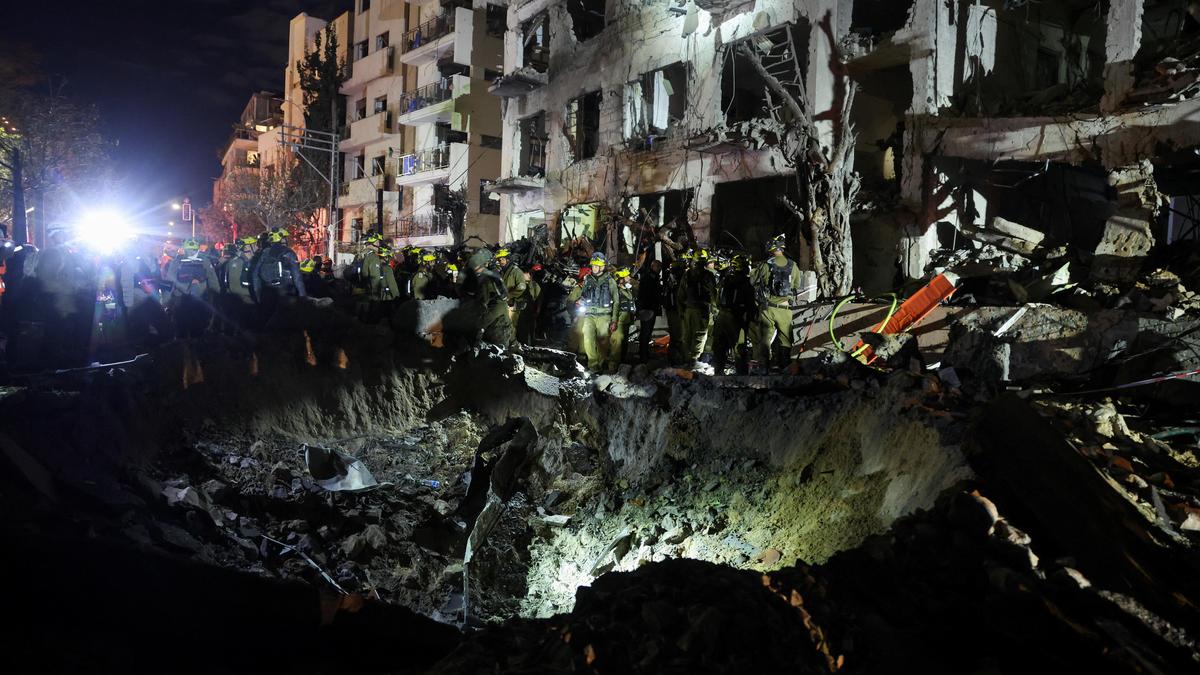
02. Israeli Civilian Areas — Impact Report
To date:
-
No major civilian infrastructures — such as hospitals, power grids, or transportation hubs — have been directly hit.
-
Damage in urban zones is limited to debris impacts and secondary fires.
-
Most civilian casualties have been non-fatal and linked to shelter deployment.
03. Israeli Nuclear Facilities
Reports confirm:
-
No attacks on Israeli nuclear installations, including the Dimona nuclear research facility.
-
These sites are under maximum security alert, augmented by mobile air defense batteries and fighter patrols.
Gulf States & Allied Installations: Broad Frontlines Opened
01. United Arab Emirates — Dubai Zones Impacted
In Dubai:
-
Explosions near major commercial and logistics hubs have been reported.
-
While specific military targets in the UAE have not been publicly confirmed, intelligence sources suggest:
-
Iranian missiles may be aiming at US-aligned defense infrastructure embedded in UAE territory.
-
Civilian impact zones are being used as collateral data points in broader escalation messaging.
-
Dubai’s economy and global links heighten the international visibility of any unrest.
02. Qatar — Doha Under Fire
In Doha:
-
Explosions near US military facilities have been reported.
-
Initial assessments indicate structural damage to:
-
Logistic support buildings.
-
Peripheral fuel storage units.
-
-
Casualty reports vary; verification remains ongoing.
03. Kuwait & Bahrain — Direct Strikes on US Bases
Confirmed developments include:
-
Multiple Iranian missiles hit coalition bases in Kuwait and Bahrain.
-
Coalition statements confirm:
-
3 US service members killed.
-
5 wounded.
-
Local civilian contractors also injured.
-
-
Damage assessments indicate:
-
Strikes primarily struck peripheral support zones, minimizing catastrophic damage but confirming capability and intent.
-
04. Saudi Arabia — Proxy Escalation From Yemen
Although Saudi Arabia hasn’t been directly struck by Iranian missiles, Houthi forces in Yemen (aligned with Iran) have:
-
Intensified strikes on Saudi infrastructure tied to energy export lines and airport facilities.
-
Saudi air defense systems report high interception levels.
05. United States — Forces in the Gulf
U.S. military officials have publicly confirmed:
-
Forces are under direct attack in multiple Gulf bases.
-
Reinforcements are being deployed rapidly from regionally available units.
-
Strategic assets, including Aegis-equipped destroyers, have been repositioned.
Iran’s Allies: Escalation Beyond the Core Conflict
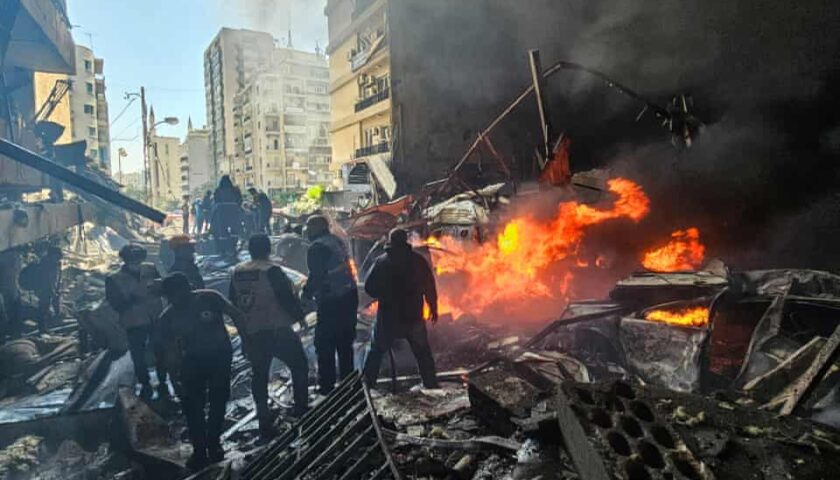
01. Hezbollah (Lebanon)
Hezbollah has:
-
Launched projectiles across the Lebanese–Israeli border.
-
Threatened additional strikes contingent on developments in Iran.
This adds a northern front, stretching Israeli defense resources.
02. Houthis (Yemen)
Houthis declared:
-
A major escalation targeting Saudi and US-linked interests across the Red Sea and Arabian Peninsula.
This supplies a maritime front to the conflict.
03. Iraqi Militias
Iraqi militia groups have:
-
Mobilized along US base perimeters.
-
Publicly threatened strikes, increasing pressure on Washington’s strategic calculus.
Geopolitical Consequences — What Comes Next?
01. Global Economic Ripples
-
Oil and energy markets have already reacted with price spikes.
-
Shipping insurance rates in the Gulf and Red Sea corridors are up sharply.
-
Multinational firms are tracking risk indices in real time.
02. Diplomatic Fault Lines
-
Western governments largely back Israel’s right to defend itself and reaffirm US military support.
-
Countries in the Muslim world voice condemnation of attacks on Iranian sovereignty and civilians.
-
Neutral states call for urgent de-escalation and humanitarian pauses.
03. Nuclear Escalation Risks
Although nuclear facilities have not been hit:
-
The ongoing conflict increases strategic tension around:
-
Nuclear enrichment sites.
-
Asymmetric risks from accident or miscalculation.
-
Independent analysts warn that any future strike on nuclear sites could fundamentally alter the conflict’s trajectory.
Human Toll: Beyond Strategic Installations
While much coverage centers on military objectives, the human impact is profound:
-
Families grieving lost loved ones across Iran.
-
Israeli citizens living under constant alert.
-
Gulf city residents adapting to explosion shockwaves and uncertain skies.
Humanitarian agencies warn of:
-
Psychological trauma.
-
Disrupted livelihoods.
-
Strain on medical infrastructures.
Conclusion: Conflict at a Dangerous Inflection Point
As of March 2, 2026, 14:00 IST, the Middle East stands amid its most complex conflagration in years. Major military installations have been struck across a broad theatre — but crucial nuclear facilities remain untouched, offering a sliver of deterrence-based restraint.
Yet the conflict is no longer a bilateral Iran-Israel war; it has pulled in US forces, Gulf states, regional proxies, and global economic systems.
The coming days will be critical for diplomacy, military strategy, and the global response to an evolving crisis with far-reaching consequences.