Kashmir Restrictions Eased: Shops Reopen, Transport Resumes as Valley Returns to Normal
By: Javid Amin | 07 March 2026
Valley Breathes Again: Markets Open and Streets Fill After Days of Restrictions
After several days of tension and restrictions, daily life in the Kashmir Valley is gradually returning to normal.
Markets have reopened, transport services are operating again, and people are cautiously stepping out to resume their daily routines. The easing of curbs has brought relief to residents, traders, and transport workers who had been affected by shutdowns imposed in the aftermath of protests.
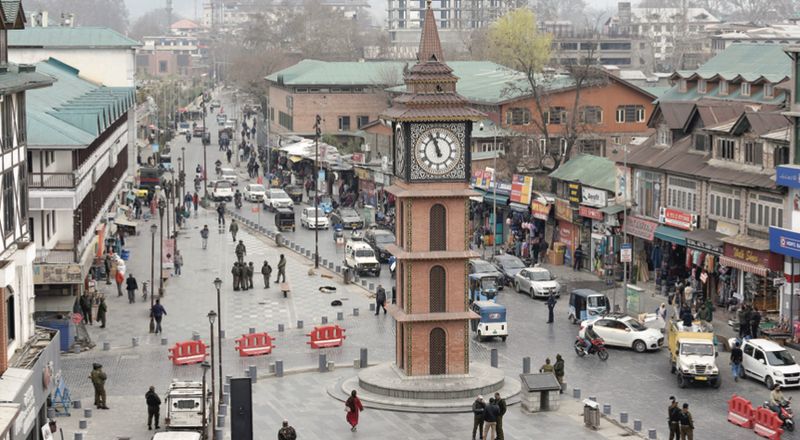
While the security presence remains visible across many parts of the Valley, the atmosphere has noticeably calmed. Markets that were once shuttered during the restrictions are now buzzing again with activity, signalling a slow but steady return to normalcy.
For many people, the reopening represents more than just a resumption of routine—it is a chance to regain economic stability and social confidence after a period of uncertainty.
A Valley Reopens: Markets Come Back to Life
Across Srinagar and several district towns, shops and businesses have reopened their doors. From grocery stores and pharmacies to clothing outlets and electronics shops, traders are gradually returning to their daily operations.
The reopening of markets has restored a sense of rhythm to life in the Valley.
In Srinagar’s commercial hubs, shopkeepers who had kept their shutters down during the restrictions welcomed customers back with cautious optimism. Many traders reported steady footfall as residents stepped out to purchase essential goods.
Small businesses, which form the backbone of Kashmir’s economy, were among the hardest hit during the shutdown period. Even a few days of closure can significantly affect incomes, especially for shopkeepers who depend on daily sales.
Local trader associations had been urging authorities to ease restrictions quickly to prevent further economic losses. For them, the reopening of markets marks an important turning point.
A shopkeeper in Srinagar’s downtown area summed up the mood simply:
“Business had completely stopped during the curbs. Now people are coming back, and we hope things will continue peacefully.”
Roads Busy Again: Transport Services Resume Across the Valley
Another visible sign of normalcy is the return of traffic to the roads.
Public buses, taxis, auto-rickshaws, and private vehicles are once again operating across major routes in Kashmir. The resumption of transport services has restored connectivity between neighborhoods, towns, and rural areas.
For commuters, transport workers, and traders, this has been a major relief.
Taxi drivers who rely on daily passengers said the restrictions had severely affected their earnings. With vehicles now back on the roads, many drivers hope to recover some of their losses.
The revival of transport is also crucial for supply chains.
Goods such as vegetables, fruits, dairy products, and other essentials depend heavily on daily transportation from rural areas to urban markets. With vehicles moving again, supplies have started reaching markets on time, stabilizing prices and preventing shortages.
The return of transport services has also made it easier for people to travel for work, healthcare, and education.
Schools, Offices, and Institutions Resume Work
Educational institutions and government offices are also gradually returning to normal functioning.
Schools that had temporarily closed due to the restrictions are reopening, allowing students to resume their studies. Teachers and administrators are working to ensure that academic schedules remain on track despite the disruption.
This development is particularly important as many students are preparing for important examinations.
Parents had expressed concern about the impact of the shutdown on their children’s education. With schools reopening, those concerns are slowly easing.
Government offices, meanwhile, have resumed regular work. Employees are returning to their workplaces, restoring administrative services that had slowed during the restrictions.
The resumption of offices also helps revive routine governance, allowing authorities to address public needs more effectively.
Security Presence Remains as Authorities Monitor the Situation
Even as restrictions have been eased, security forces remain deployed across sensitive locations in Kashmir.
Police and paramilitary personnel continue to maintain a visible presence in key areas, especially in parts of Srinagar that had witnessed protests earlier.
Officials say the deployment is a precautionary measure aimed at preventing any sudden flare-ups.
Checkpoints and patrols remain active in certain areas, although the intensity of restrictions has reduced significantly.
Authorities have emphasized that the situation is being closely monitored to ensure that normalcy continues.
The approach reflects a balancing act—allowing daily life to resume while maintaining vigilance against potential disturbances.
Why Restrictions Were Imposed
The restrictions that disrupted daily life in Kashmir were imposed following protests triggered by the assassination of Ayatollah Ali Khamenei.
The killing of the Iranian leader in the ongoing Middle East conflict sparked strong reactions in several parts of the Muslim world, including Kashmir.
In the Valley, demonstrations erupted in various districts, particularly in areas with significant Shia populations.
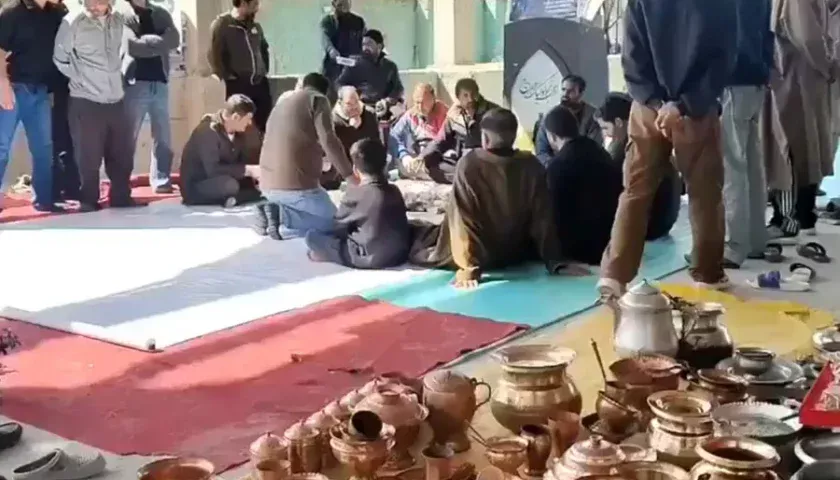
Crowds gathered to express grief and anger, holding marches and mourning gatherings.
Authorities feared that the protests could escalate into broader unrest, prompting them to impose restrictions on public movement and gatherings.
The curbs included increased security deployment, limitations on large assemblies, and tighter monitoring of sensitive areas.
Officials described the measures as necessary to maintain law and order during a highly emotional moment.
Residents Step Out with Relief—but Also Caution
With restrictions easing, residents are gradually stepping out to resume daily activities.
Markets, streets, and public spaces that had been quiet during the curbs are once again seeing movement.
However, the mood among residents remains cautious.
Many people say they are relieved that normal life is returning but remain aware that the situation could change quickly.
Families are watching developments closely, hoping that calm will prevail in the coming days.
Community leaders have also urged people to maintain peace and avoid actions that could lead to renewed tensions.
Political Reactions Shape the Debate
The protests and subsequent restrictions also triggered strong political reactions in Jammu and Kashmir.
Chief Minister Omar Abdullah called for calm and urged communities to avoid escalation.
He also suggested reviewing cases against individuals detained during the demonstrations and advocated a softer approach in dealing with protesters.
Meanwhile, opposition leaders criticized the arrests and restrictions.
Former Chief Minister Mehbooba Mufti demanded the release of detainees, describing the crackdown as excessive.
According to opposition leaders, many of the protesters were simply expressing grief and solidarity and should not face legal consequences.
The debate has added a political dimension to the situation, with leaders emphasizing the importance of balancing law-and-order concerns with civil liberties.
Economic Relief: Why Reopening Matters
For Kashmir’s fragile economy, the reopening of markets and transport services is critical.
Even short periods of shutdown can cause serious financial strain for traders, daily wage earners, and transport workers.
The easing of restrictions is therefore being welcomed as an economic lifeline.
Small businesses that had lost several days of income are now trying to recover by attracting customers back to markets.
Transport operators are also hoping for steady demand in the coming days.
The revival of economic activity helps restore confidence not only among local businesses but also among visitors and investors.
Tourism Sector Watches Closely
The return to normalcy is particularly important for Kashmir’s tourism industry.
Spring marks the beginning of one of the busiest tourist seasons in the region.
Destinations such as Gulmarg, Pahalgam, and Sonmarg typically attract thousands of visitors during this time of year.
The reopening of transport routes and markets reassures travelers that the region is stable and safe to visit.
Hotels, houseboats, restaurants, and tour operators rely heavily on tourism revenue, and prolonged unrest can lead to cancellations.
With normalcy returning, tourism stakeholders hope the upcoming season will remain unaffected.
Trade and Supply Chains Stabilize
The reopening of transport routes has also restored supply chains across Kashmir.
Farmers and rural producers can now transport fruits, vegetables, and other goods to urban markets without disruption.
Wholesale markets in Srinagar and district towns are gradually returning to their usual pace.
Traders say this is essential for maintaining price stability and ensuring that perishable goods reach consumers on time.
Without functioning transport networks, many agricultural products risk spoilage.
The resumption of connectivity therefore benefits both producers and consumers.
Education and Student Well-Being
Students are among those most relieved by the reopening of schools.
Extended disruptions can create academic stress, particularly when examinations are approaching.
Teachers say restoring routine helps students regain focus and confidence.
Regular classroom interaction also plays an important role in students’ mental well-being.
Parents across Kashmir have welcomed the decision to allow schools to reopen, viewing it as a step toward stability.
A Careful Return to Stability
The easing of restrictions in Kashmir marks an important shift from tension toward stability.
Markets reopening, transport services resuming, and institutions functioning again are all signs that the Valley is moving back toward routine life.
However, the situation remains sensitive.
Authorities, community leaders, and political figures are all emphasizing the need for calm and dialogue.
For now, residents of Kashmir appear determined to move forward—rebuilding daily life after days of disruption and hoping that peace will hold.
In summary:
The easing of restrictions in the Kashmir Valley has allowed shops to reopen, transport services to resume, and institutions to restart operations. While security forces remain on alert, daily life is gradually returning to normal, bringing relief to residents and businesses after a period of unrest triggered by the killing of Ayatollah Ali Khamenei.