Israel–US–Iran Conflict Escalates: Lebanon Front, Gulf Strikes, Strait of Hormuz Threat | March 2026
By: Javid Amin | 02 March 2026
Executive Brief: Where Things Stand
As of the fourth day of open hostilities (conflict beginning February 28, 2026), the confrontation between Israel, the United States, and Iran has transformed from targeted strikes into a widening regional war.
What began with joint Israeli–American operations against Iranian leadership and military infrastructure has now expanded into:
-
Israeli ground maneuvers inside Lebanon
-
Missile and drone exchanges across Gulf states
-
Direct threats to global shipping in the Strait of Hormuz
-
U.S. embassy closures and evacuations across the region
-
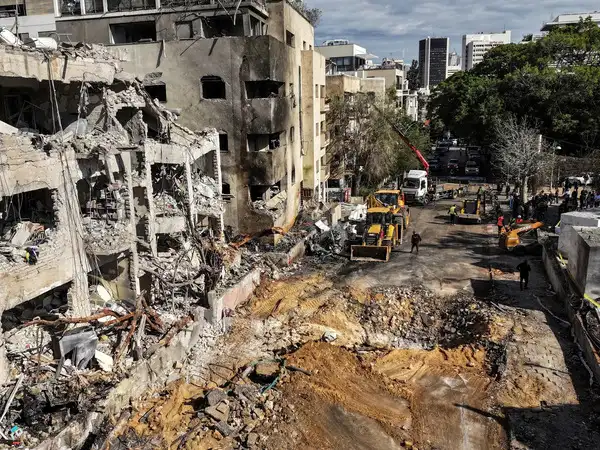
Escalating casualty figures on multiple sides
The conflict now spans Tehran, Beirut, southern Lebanon, Iraq, and the Gulf region, creating the most serious regional crisis in years.
Military Developments: A Multi-Front Escalation
1️⃣ Lebanon Front Opens: Israeli Ground Operations
Israeli Defense Minister Israel Katz confirmed expanded ground operations inside southern Lebanon. The stated objective:
-
Seize elevated and strategic positions.
-
Prevent cross-border attacks from Hezbollah.
-
Push back rocket-launch capabilities threatening northern Israeli communities.
This marks a significant escalation. Cross-border skirmishes are no longer limited to artillery or airstrikes; Israeli ground units are physically advancing into contested terrain.
Airstrikes have also intensified in Beirut, targeting what Israel describes as Hezbollah command nodes and logistical corridors.
2️⃣ Strikes on Tehran & Iranian Infrastructure
Israeli and U.S. aircraft have conducted fresh strikes in Tehran, expanding earlier operations that targeted military installations and strategic infrastructure.
Key elements reportedly targeted include:
-
Missile storage depots
-
Air-defense batteries
-
Command-and-control facilities
-
Revolutionary Guard-linked logistics centers
Iran’s Red Crescent has reported more than 550 fatalities since hostilities began, though independent verification remains limited due to restricted access.
Smoke plumes over Tehran have become symbolic of the widening war—air defense systems firing intermittently, and civilian anxiety mounting.
3️⃣ Iranian Retaliation Across the Gulf
Iran has broadened its response with:
-
Missile launches targeting U.S. bases in Gulf states
-
Drone strikes aimed at strategic installations
-
Threats against maritime shipping routes
New waves of missiles aimed at Israeli cities were largely intercepted by Israel’s layered air defense systems, though air-raid sirens continue to disrupt civilian life.
U.S. military officials confirm six American service members have been killed since the war began.
4️⃣ Strait of Hormuz: Energy Flashpoint
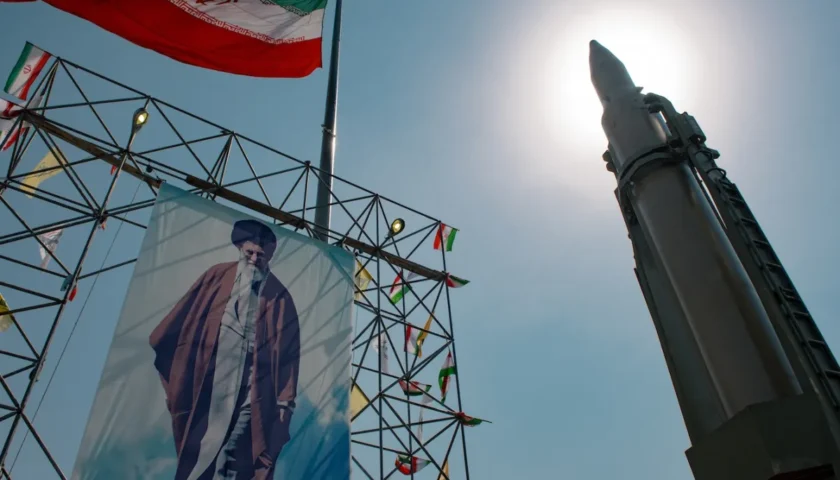
Iran has declared that any vessel attempting to transit the Strait of Hormuz could be targeted. This narrow maritime chokepoint carries roughly one-fifth of global oil shipments.
A blockade—whether symbolic or sustained—would:
-
Spike oil prices globally
-
Trigger possible U.S. naval intervention
-
Escalate naval confrontations in the Gulf
The U.S. Fifth Fleet remains on high alert, monitoring shipping lanes and deploying additional surveillance assets.
U.S. & Allied Response
Embassy Closures & Evacuations
The United States has:
-
Closed embassies in Riyadh and Kuwait
-
Ordered non-essential staff to depart Bahrain, Jordan, and Iraq
-
Heightened security at all diplomatic missions in the region
These measures underscore Washington’s assessment that retaliation could broaden further.
Presidential Warning
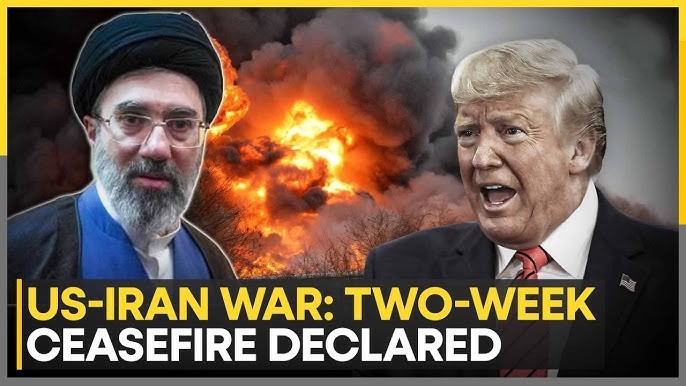
U.S. President Donald Trump has publicly warned that the “hardest hits” are still to come.
This language signals:
-
The possibility of expanded American strike packages
-
A prolonged campaign rather than a limited punitive operation
-
Increased risk of further Iranian retaliation
Regional Impact
Iraq: Protests and Unrest
In Baghdad, protests erupted near the Green Zone against U.S. and Israeli strikes. Security forces deployed tear gas to disperse demonstrators.
Iraqi militias aligned with Iran have signaled readiness to strike U.S. positions, adding another volatile front.
Education Disruption
Instability across Gulf countries has led to postponement of CBSE examinations, affecting Indian students abroad. This highlights the conflict’s spillover into civilian life and expatriate communities.
Earthquake in Southern Iran
A magnitude 4.3 earthquake struck Gerash, compounding national stress. Though unrelated to the conflict, it strained emergency services already dealing with wartime casualties.
Economic Fallout
Oil Markets
Energy markets remain highly volatile:
-
Oil prices have surged amid fears of Hormuz disruption.
-
Shipping insurance premiums in Gulf waters have climbed sharply.
-
Refinery stocks fluctuate daily with strike reports.
Any sustained maritime blockade would likely trigger a global inflation shock.
Financial Markets
-
Gold and silver prices are rising as safe-haven assets.
-
Equity markets show increased volatility.
-
Emerging markets with Gulf exposure face currency pressure.
The war’s economic consequences are no longer regional—they are global.
Escalation Scenarios
Scenario 1: Expanded Israeli Campaign
Israel could intensify operations against Hezbollah strongholds in Lebanon and Iranian-linked positions in Syria and Iraq.
Scenario 2: Iranian Missile Surge
Iran may increase precision missile and drone attacks against U.S. bases and Israeli urban centers.
Scenario 3: Hormuz Naval Confrontation
A serious incident in the Strait could trigger direct U.S.–Iran naval engagement.
Scenario 4: Proxy War Explosion
Groups in Iraq, Yemen (Houthis), and Gaza could formally enter the war, stretching Israeli and U.S. resources.
Diplomatic Pathways
UN Security Council
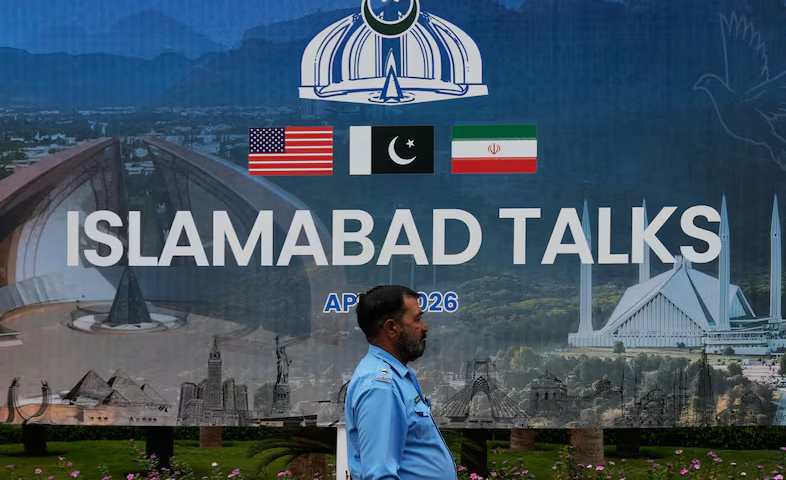
The United Nations Security Council faces pressure to act. However, veto dynamics among permanent members could stall meaningful resolutions.
Mediation Possibilities
Countries such as:
-
Turkey
-
Qatar
could attempt shuttle diplomacy, given their communication channels with both Western governments and Tehran.
Backchannel negotiations may also emerge quietly to prevent escalation toward nuclear facilities.
Global Strategic Stakes
NATO Cohesion
Turkey’s stance will be closely watched. Any divergence from alliance consensus could strain NATO’s southern flank.
Russia & China
Both Russia and China may seek diplomatic leverage, positioning themselves as counterweights to U.S. influence in the region.
U.S. Domestic Politics
A prolonged military campaign may shape policy debates in Washington, influencing defense spending, election narratives, and congressional oversight.
What This Means Now
The Israel–US–Iran conflict is no longer a contained confrontation. It is:
-
Multi-front
-
Multi-actor
-
Economically destabilizing
-
Militarily unpredictable
Civilian risk is rising. Energy markets are unstable. Diplomatic channels are under strain.
The next 72 hours will likely determine whether this crisis becomes a prolonged regional war—or whether urgent diplomacy can prevent further escalation.