Iran–US War Impact on India: Fuel Prices, Flights, Markets and Security Risks Explained
By Javid Amin | 10 March 2026
Global tensions ripple through India’s economy and security framework
The escalating confrontation between Iran and the United States is beginning to send shockwaves far beyond the Middle East, and India is already feeling the early impact.
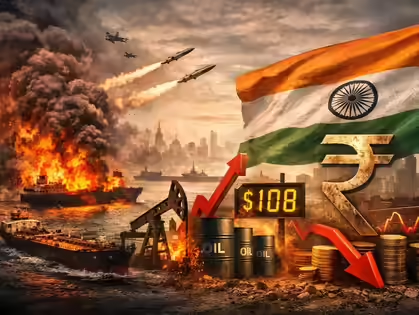
Within hours of the conflict intensifying, global oil markets reacted sharply. Crude oil prices surged past $120 per barrel, triggering fears of rising fuel prices in major import-dependent economies like India.
For a country that imports nearly 85% of its crude oil, any disruption in the Gulf region — particularly around the Strait of Hormuz, one of the world’s most critical energy corridors — carries immediate economic consequences.
But the effects are not limited to fuel prices. Air travel routes, international trade shipments, the safety of Indian students abroad, and even financial markets are now being influenced by the geopolitical escalation.
Experts warn that if the conflict deepens or spreads across the Gulf region, India could face a broader wave of economic and strategic challenges in the coming days.
Immediate Effects Emerging in India
Fuel and LPG prices begin to react to global oil shock
The most visible and immediate effect of the conflict has been in the energy market.
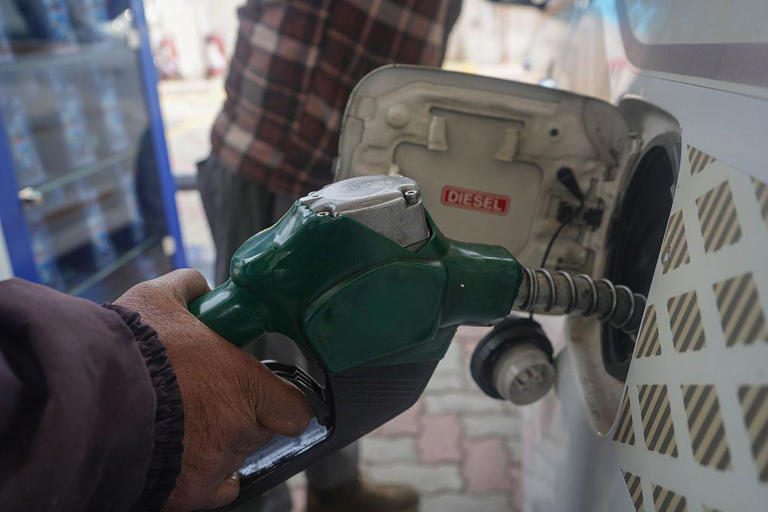
Global crude prices jumped sharply amid fears that oil shipments through the Persian Gulf could be disrupted. The spike quickly translated into upward pressure on petrol, diesel, and LPG prices in India.
To prevent sudden supply shortages and panic buying, the government has reportedly invoked provisions under the Essential Commodities Act, allowing authorities to monitor and regulate the distribution of liquefied petroleum gas (LPG).
India’s reliance on imported energy means domestic fuel prices are extremely sensitive to global supply disruptions.
If oil prices remain above $120 per barrel for an extended period, analysts believe the country could see a sustained increase in fuel costs across the board.
This would affect not only transportation expenses but also household budgets, as LPG remains the primary cooking fuel for millions of Indian families.
Aviation Sector Faces Immediate Disruptions
Flights rerouted as airlines avoid conflict zones
Another early impact has been seen in the aviation industry.
Airlines operating between India, Europe, and North America often use air corridors that pass over or near West Asian airspace. With rising tensions in the region, several airlines have begun rerouting flights to avoid potential conflict zones.
This has led to:
-
Longer flight durations
-
Higher operational costs for airlines
-
Increased ticket prices for passengers
Rerouting also creates scheduling complications for international flights, especially those connecting India with Europe and North America.
Industry experts warn that prolonged conflict could lead to significant fare increases, particularly for long-haul international routes.
Indian Students in Iran Face Uncertainty
Safety concerns grow as evacuation discussions begin
One of the most sensitive aspects of the crisis involves Indian nationals living in Iran, including a significant number of students.
Many Indian students — particularly from states such as Jammu and Kashmir — are currently enrolled in universities and medical colleges in Iran.
With the security situation becoming uncertain, the Ministry of External Affairs (MEA) is closely monitoring developments.
Officials are reportedly assessing contingency plans that could include:
-
Advisory notices to Indian nationals
-
Emergency travel arrangements
-
Potential evacuation operations if the situation deteriorates
India has conducted several evacuation missions in the past during regional conflicts, including operations in Yemen and Ukraine.
If tensions escalate further, a similar evacuation effort could be launched to bring Indian citizens home safely.
Stock Markets React to Global Uncertainty
Energy and aviation stocks see sharp volatility
Financial markets have also reacted quickly to the geopolitical developments.
Both the Sensex and Nifty indices experienced noticeable volatility as investors responded to the uncertainty in global energy markets.
Several sectors are particularly sensitive to rising oil prices:
Aviation
Airlines rely heavily on aviation fuel, making them vulnerable to oil price spikes.
Transportation and logistics
Higher fuel costs increase operational expenses for transport companies.
Manufacturing
Industries dependent on imported raw materials may face higher costs.
On the other hand, companies involved in oil production or energy exploration sometimes see temporary gains during oil price surges.
Market analysts say the volatility could continue until there is greater clarity about the duration and scale of the conflict.
Tourism Sector Watches Closely
Kashmir tourism monitoring potential ripple effects
The tourism sector, particularly in northern India, is also watching developments carefully.
Outbound travel to Gulf countries may slow down if tensions continue to rise. At the same time, the broader perception of regional instability could influence international tourism flows.
For destinations like Kashmir — which has seen a tourism revival in recent years — any global travel uncertainty can affect visitor sentiment.
While there has been no immediate impact on tourist arrivals yet, industry stakeholders are monitoring the situation closely.
Oil Supply Negotiations Underway
India exploring alternative energy sources
India has already begun diplomatic and commercial efforts to secure alternative energy supplies.
Government officials are reportedly in discussions with major oil producers including:
-
Russia
-
Saudi Arabia
-
United Arab Emirates
These negotiations aim to ensure that India’s energy supply remains stable even if Gulf shipments are disrupted.
Diversifying supply sources has become a critical part of India’s energy security strategy over the past decade.
Strategic Importance of the Strait of Hormuz
The world’s most critical oil chokepoint
The Strait of Hormuz, located between Iran and Oman, is one of the most important maritime corridors in the global energy trade.
Nearly 20% of the world’s oil supply passes through this narrow waterway.
For India, the strait is especially crucial because a significant portion of its crude oil imports originate from Gulf countries.
Any military activity or shipping disruption in this region could:
-
Delay oil shipments
-
Increase shipping insurance costs
-
Push global oil prices higher
Even short-term disruptions can trigger volatility in global markets.
Trade Disruptions Begin to Appear
Shipping delays affect multiple industries
The conflict is also affecting maritime trade routes.
Several shipping companies have reported delays in container movement through the Gulf region, particularly around the Strait of Hormuz.
This could impact India’s imports of key industrial goods, including:
-
Fertilizers
-
Petrochemicals
-
Electronics components
-
Industrial chemicals
Delays in these imports could eventually affect domestic manufacturing and agricultural supply chains.
Indian Navy Steps Up Surveillance
Increased maritime vigilance in the Arabian Sea
Given the strategic importance of the region, India has increased maritime monitoring operations.
The Indian Navy has reportedly enhanced surveillance activities in the Arabian Sea and the Indian Ocean Region.
The objective is to ensure the safety of:
-
Indian merchant vessels
-
Energy shipments
-
International trade routes
Naval presence in these waters also helps deter piracy and other threats during periods of geopolitical instability.
Political Reactions in India
Opposition likely to raise concerns over economic impact
The domestic political response to the conflict may intensify if fuel prices continue to rise.
Opposition parties have previously criticized the government over rising fuel costs and economic pressures on households.
If global oil prices remain elevated, the issue could become a major political debate.
Rising LPG prices in particular tend to resonate strongly with voters, as cooking fuel costs directly affect household budgets.
Public Concerns Growing
Rising fuel costs affecting everyday life
For ordinary citizens, the biggest concern is the cost of living.
Higher fuel prices tend to trigger a chain reaction across the economy:
-
Transportation costs increase
-
Food prices rise due to higher logistics expenses
-
Utility bills may increase
For households already dealing with inflation in food items and cooking oil, further increases in fuel costs could add additional financial strain.
What to Expect in the Next 48–72 Hours
Possible fuel price adjustments
If crude oil prices remain elevated, Indian fuel retailers may revise petrol and diesel prices upward.
LPG prices could also face adjustments depending on international gas market movements.
Evacuation plans may be announced
The government could announce evacuation plans for Indian nationals in Iran and nearby regions if security risks escalate.
Such operations typically involve coordination between the foreign ministry, civil aviation authorities, and the armed forces.
Relief measures for households
To soften the economic impact, the government may consider temporary relief measures.
Possible interventions could include:
-
LPG subsidies
-
Fuel tax adjustments
-
Strategic petroleum reserve releases
Increased military vigilance
India is expected to maintain heightened naval and air surveillance across the Indian Ocean Region to protect maritime trade routes.
The Bigger Strategic Picture
Why the Iran–US conflict matters for India
India has historically maintained diplomatic relationships with both Iran and the United States.
Balancing these relationships becomes more complex during periods of geopolitical confrontation.
The conflict also highlights the vulnerability of countries heavily dependent on imported energy.
For India, it reinforces the importance of:
-
Energy diversification
-
Strategic petroleum reserves
-
Renewable energy expansion
Conclusion
The escalating tensions between Iran and the United States are already beginning to affect India through multiple channels — energy markets, international travel, maritime trade, and diaspora safety.
While the full impact will depend on how the conflict evolves, the next few days could be crucial.
Fuel price adjustments, potential evacuations of Indian nationals, and increased security measures in the Indian Ocean Region are among the developments to watch.
For now, India is moving cautiously — balancing diplomatic engagement, economic stability, and national security — while closely monitoring one of the most volatile geopolitical situations in the world.