India Faces Severe Economic Shock from Iran-Israel War: Oil Prices Surge, GDP Slows, Households Under Pressure
By: Javid Amin | 26 March 2026
A War Far Away, But a Crisis at Home
India may not be directly involved in the Iran-Israel conflict, but its economic shockwaves are hitting the country with surprising force. From rising fuel prices to weakening currency and growing uncertainty for millions of Indian families, the impact is both immediate and deep.
As oil prices surge past $110 per barrel and critical shipping routes remain blocked, India—one of the world’s largest energy importers—is facing one of its most complex economic challenges in recent years. The crisis is not just about geopolitics; it is about household budgets, job stability, and the cost of living.
Government officials have already warned that the effects could be “long-lasting,” and economic forecasts are beginning to reflect that reality.
1. Energy Security: The Core of India’s Vulnerability
Dependence on the Strait of Hormuz
India’s energy vulnerability is rooted in geography and dependency. Nearly half of its crude oil imports and around 60% of its liquefied natural gas (LNG) supplies pass through the Strait of Hormuz—a narrow but crucial maritime corridor now disrupted due to the conflict.
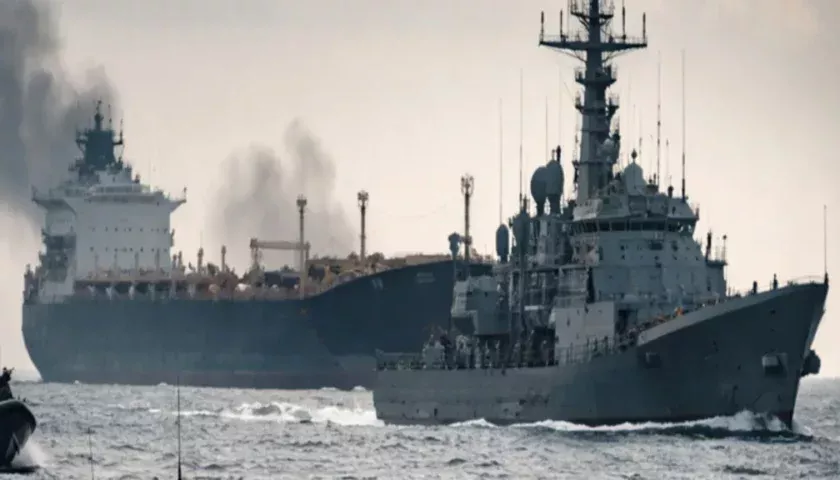
With Iran effectively closing or restricting access to the strait, supply chains have been severely strained. Tankers are delayed, insurance premiums have surged, and shipping risks have multiplied.
This has triggered a cascading effect across the energy ecosystem.
Oil Price Shock and Its Ripple Effects
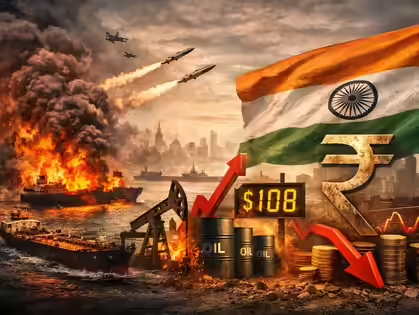
Brent crude crossing $110 per barrel is not just a statistic—it directly translates into higher fuel costs for India.
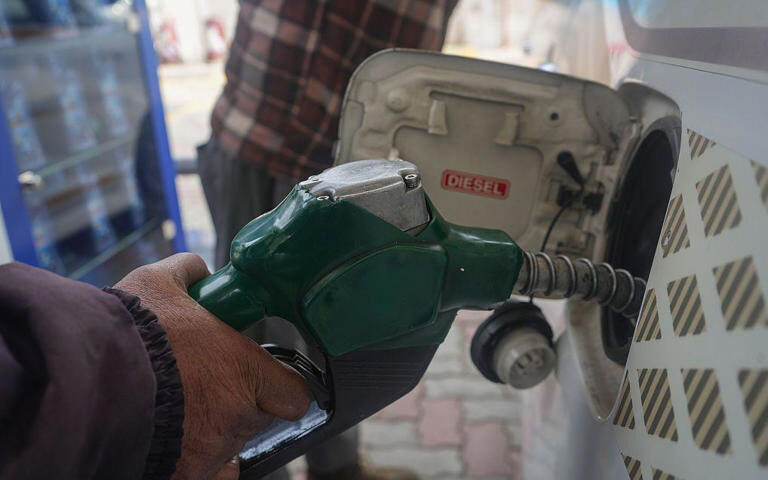
- Petrol and diesel prices are rising steadily
- Transportation costs are increasing
- Industrial production is becoming more expensive
Energy is the backbone of every sector, and when its cost rises, everything else follows.
LNG and LPG Disruptions
India’s dependence on imported gas is now creating visible shortages.
- LPG cylinders are becoming scarce in some urban areas
- Prices are expected to cross ₹1,400 per cylinder
- Supply delays are affecting both households and small businesses
This is particularly concerning for middle- and lower-income families who rely heavily on subsidized or affordable cooking fuel.
Sector-Wide Impact
The energy shock is not isolated—it is spreading across industries:
- Aviation: Fuel costs account for a major portion of airline expenses, pushing ticket prices higher
- FMCG: Increased logistics costs are leading to price hikes in everyday goods
- Manufacturing: Rising energy input costs are squeezing margins and slowing output
India’s growth engine is being forced to operate under pressure.
2. Economic Outlook: Growth Under Threat
GDP Growth Cut: A Warning Signal
One of the most significant developments is the downward revision of India’s GDP growth forecast. From an earlier projection of 7%, estimates have now been cut to around 5.9% for 2026.
This downgrade reflects:
- Rising inflation
- Disrupted trade routes
- Slower industrial activity
While 5.9% growth may still appear strong globally, for India, it signals a notable slowdown with serious implications for employment and income growth.
Rupee Depreciation: A Double-Edged Sword
The Indian rupee weakening to around ₹92 per US dollar is adding another layer of complexity.
Why It Matters
- Imports, especially oil, become more expensive
- Inflation increases further
- Foreign education, travel, and remittances cost more
At the same time, while exports may gain some competitiveness, logistical disruptions are limiting those benefits.
Trade Disruptions with West Asia
India’s trade relationship with West Asia is substantial, valued at approximately $178.5 billion.
The ongoing conflict is:
- Delaying shipments
- Increasing freight costs
- Forcing rerouting through longer, more expensive paths
Exporters, particularly in textiles, engineering goods, and food products, are already facing delays and uncertainty.
3. Security and Diaspora: A Human Dimension
Indians in the Gulf: A Growing Concern
Over 1 crore Indians live and work in Gulf countries. These communities are vital to India’s economy through remittances and trade links.
The conflict has raised serious concerns about:
- Safety of Indian workers
- Job stability
- Evacuation logistics
Evacuation Efforts Begin
India has already started evacuation operations from countries like the UAE and Oman. While not yet at crisis levels, the situation remains fluid and potentially volatile.
Government Response
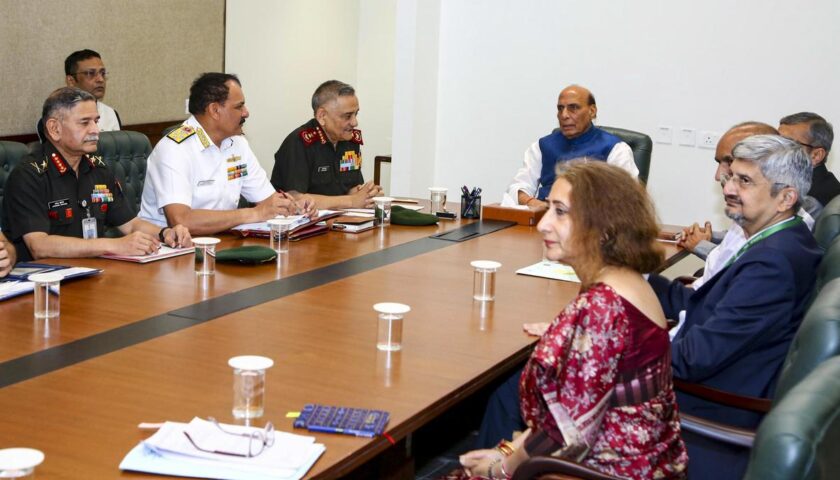
The Indian government is actively engaging with global powers to reduce tensions and reopen critical routes.
Key priorities include:
- Ensuring energy supply continuity
- Protecting Indian citizens abroad
- Stabilizing domestic markets
Diplomatically, India is walking a tightrope—balancing relations with multiple stakeholders while safeguarding its own interests.
4. Strategic Risks: A Wake-Up Call
Overdependence on Energy Imports
The crisis has exposed a long-standing structural issue: India’s heavy reliance on imported energy.
This dependence makes the country vulnerable to:
- Geopolitical conflicts
- Price volatility
- Supply disruptions
Inflationary Spiral
With fuel prices rising, inflation risks crossing 7%.
This leads to:
- Higher cost of living
- Reduced consumer spending
- Pressure on monetary policy
Geopolitical Balancing Act
India’s strategic position is increasingly complex. Maintaining relations with multiple global players while ensuring economic stability is becoming more challenging.
5. Household Impact: The Crisis Hits Home
Fuel and Transport Costs
Fuel prices are expected to rise by ₹10–15 per litre in the coming weeks.
What This Means
- Higher daily commuting costs
- Increased public transport fares (10–20%)
- Rising logistics costs affecting all goods
Air travel is also becoming significantly more expensive, with fares expected to rise by up to 30%.
Cooking Gas and Electricity
LPG shortages are already visible in some areas.
Expected Trends
- LPG prices crossing ₹1,400
- Electricity bills rising by 8–12%
- Increased demand for alternative energy solutions
Families are being forced to rethink their energy consumption habits.
Food and Essentials Inflation
Rising transport costs are pushing up food prices.
- Food inflation may reach 7–8%
- Packaged goods seeing ₹5–10 increases
- Imported goods becoming significantly costlier
Even basic groceries are becoming more expensive, affecting every household.
Financial Pressure on Families
Middle-class households are among the hardest hit.
Key Impacts
- Reduced discretionary spending
- Lower savings
- Increased financial stress
Fixed-income groups, including retirees, are particularly vulnerable.
6. Scenario Outlook: March–June 2026
| Category | Current Situation | 3-Month Outlook |
|---|---|---|
| Petrol/Diesel | ₹105–110/litre | ₹120–125/litre |
| LPG Cylinder | ₹1,050 | ₹1,400+ |
| Food Inflation | 6% | 7–8% |
| Electricity | Rising | +10% |
| Air Travel | Expensive | +25–30% |
The data suggests that the worst may not yet be over.
7. Household Survival Guide: Practical Strategies
Fuel and Transport
- Carpool whenever possible
- Shift to public transport
- Consider bicycles or electric scooters for short distances
Energy Efficiency
- Use pressure cookers and batch cooking
- Switch to LED lighting
- Reduce unnecessary electricity use
Smart Shopping
- Buy staples in bulk
- Prefer local and seasonal produce
- Plan meals to reduce waste
Financial Planning
- Prioritize essential spending
- Build an emergency fund
- Avoid unnecessary expenses
Community Support
- Share resources with neighbors
- Stay informed through official updates
- Support vulnerable groups
8. Long-Term Solutions: Building Resilience
Energy Diversification
India must reduce dependence on a single region by:
- Increasing imports from Africa and the U.S.
- Expanding renewable energy capacity
- Investing in strategic reserves
Strengthening Domestic Capacity
- Boost domestic oil and gas exploration
- Expand solar and wind infrastructure
- Encourage energy-efficient technologies
Policy Reforms
- Improve supply chain resilience
- Strengthen trade partnerships
- Enhance financial safety nets
Conclusion: A Defining Economic Moment
The Iran-Israel conflict has created a situation where India, despite being geographically distant, is among the most economically affected nations.
From rising fuel prices to slowing economic growth and increasing pressure on households, the crisis is multi-dimensional. It highlights the interconnected nature of global economies and the vulnerabilities that come with dependence on external resources.
In the short term, Indians will feel the pinch through higher costs and tighter budgets. In the medium term, economic growth may slow, and inflation could remain elevated. But in the long term, this crisis could serve as a turning point—pushing India toward greater energy independence and economic resilience.
For now, the focus remains on navigating the immediate challenges while preparing for a more uncertain global future.