Kashmir’s Warmest February in a Decade: Hydropower at Risk as Early Snowmelt Disrupts Energy Flows
By: Javid Amin | 20 February 2026
How Rising Winter Temperatures Could Reshape Jammu & Kashmir’s Electricity Security
Kashmir’s warmest February in nearly a decade is not just a climate statistic — it is a structural warning for the region’s hydropower-dependent energy system.
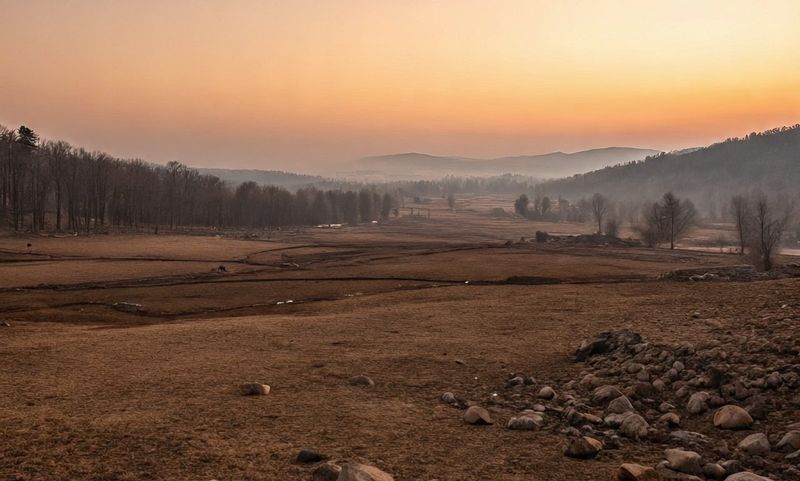
On February 20, Srinagar recorded 20.1°C — 9.7°C above normal — the highest February temperature since 2016. Across the Valley, maximum temperatures ran 9–11°C above seasonal averages.
For a Himalayan region where snowpack functions as a natural water battery, this anomaly could significantly alter hydropower generation cycles.
This is a hydropower risk assessment of what warmer winters mean for Jammu & Kashmir’s energy future.
01. Why Winter Temperatures Matter for Hydropower
Hydropower in Jammu & Kashmir operates on a seasonal rhythm:
Winter: Snow accumulates at higher altitudes.
Spring: Gradual melting begins.
Summer: Peak snowmelt sustains river flows, maximizing generation.
Warmer February temperatures accelerate melting, shifting water release earlier in the year.
The core issue is not total precipitation — it is timing.
Hydropower systems are designed for predictable seasonal inflows. When that rhythm shifts, operational planning becomes unstable.
02. Early Snowmelt: The Timing Problem
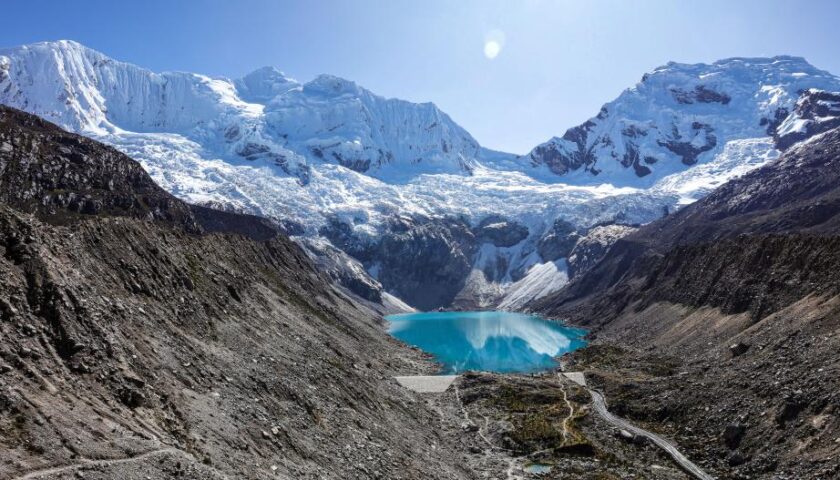
The Himalayas serve as Kashmir’s long-term water reservoir. Snowfall stored during winter feeds rivers such as the Jhelum and its tributaries.
With February temperatures soaring:
-
Low and mid-elevation snow begins melting earlier.
-
River discharge increases prematurely.
-
Summer flow reserves may shrink.
If significant snowpack melts in February or early March instead of April–June, hydropower facilities face a supply mismatch.
Water may be available when electricity demand is moderate — and insufficient when peak summer demand rises.
03. Hydropower Dependency in J&K
Jammu & Kashmir relies heavily on hydropower for electricity generation. Major projects draw water from snow-fed rivers across the region.
Key installations include:
-
NHPC Limited-operated projects
-
The Salal and Dulhasti hydropower stations
-
Uri hydropower complex
-
Baglihar dam system
These projects depend on steady seasonal inflows.
When snowmelt shifts, plant load factors fluctuate.
Inconsistent water supply forces:
-
Reduced turbine operation
-
Increased dependence on thermal imports
-
Higher electricity purchase costs
04. Peak Demand vs Peak Supply Mismatch
Electricity demand in Kashmir peaks during:
-
Summer irrigation season
-
Urban cooling loads
-
Tourism surges
Historically, peak hydropower output coincided with these periods.
Warmer winters could:
-
Push meltwater discharge earlier
-
Reduce late-summer river volume
-
Lower generation capacity during demand spikes
This mismatch increases reliance on external power purchases — affecting state finances.
05. Reservoir Management Challenges
Hydropower reservoirs are engineered based on historical climate averages.
Early snowmelt creates operational dilemmas:
-
Release water immediately and risk summer shortages?
-
Store aggressively and risk overflow if spring rains intensify?
Climate volatility reduces predictability, complicating reservoir scheduling models.
Hydropower managers may need to revise inflow forecasting algorithms and incorporate real-time climate modeling.
06. Economic Implications
If summer hydropower output declines:
-
Electricity import bills increase
-
Fiscal pressure on utilities rises
-
Tariff adjustments become likely
Hydropower is one of the most cost-effective energy sources for the region. Reduced generation shifts reliance toward higher-cost alternatives.
Energy insecurity can ripple into agriculture, industry, and urban infrastructure.
07. Long-Term Structural Risks
Climate data indicates:
-
Shrinking winter duration
-
Reduced snowfall consistency
-
Rising winter temperature averages
If these trends persist:
-
Snowpack accumulation could decline permanently.
-
Glacial retreat may alter river baselines.
-
Annual hydropower potential could decrease.
This transforms a short-term anomaly into a long-term capacity planning issue.
08. Adaptive Measures for Energy Security
Hydropower risk mitigation may require:
1. Diversified Energy Mix
Increased solar and wind integration to offset seasonal hydropower variability.
2. Advanced Forecasting
AI-driven snowpack monitoring and river discharge modeling.
3. Reservoir Optimization
Dynamic storage strategies based on climate projections rather than historical averages.
4. Grid Modernization
Flexible load balancing systems to manage variable generation.
5. Climate-Resilient Policy Planning
Energy infrastructure investment aligned with projected warming trends.
09. Broader Environmental Feedback Loop
Hydropower risks are interconnected with:
-
Agricultural irrigation shortages
-
Wetland stress
-
Drinking water availability
-
Tourism sector stability
When snowmelt shifts, the entire regional economy adjusts.
The 20.1°C February reading in Srinagar is therefore not just a weather headline — it is an energy security signal.
10. A Warning, Not Yet a Crisis
Kashmir’s hydropower system remains functional and resilient. But climate variability is increasing operational complexity.
If warm February patterns become frequent, energy planning must adapt quickly.
The Valley’s electricity grid was built for a climate that may no longer exist.