J&K Assembly Disrupted Over LoP’s ‘No Official Pir Panjal Region’ Remark | Lawmakers Demand Apology
By: Javid Amin | 04 February 2026
Uproar in the House Over Regional Identity Remarks
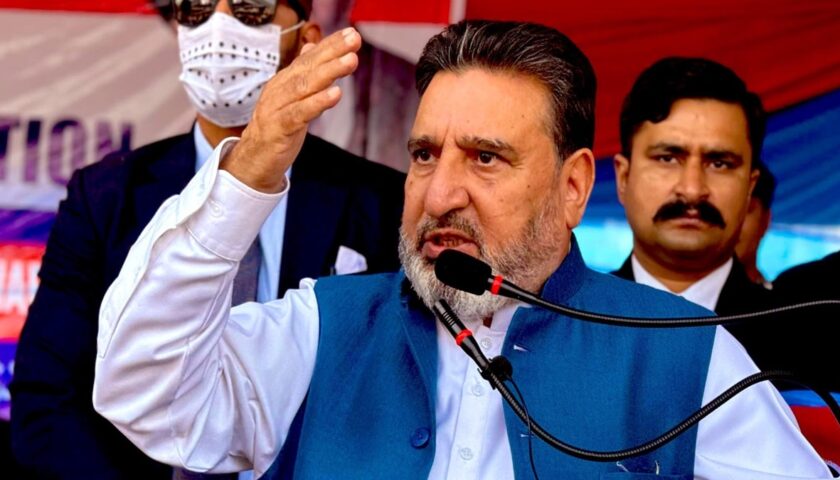
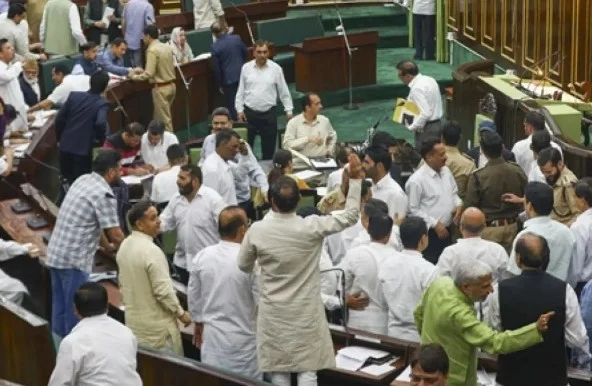
Proceedings of the Jammu & Kashmir Legislative Assembly were thrown into disarray on Wednesday after Leader of Opposition (LoP) Sunil Sharma sparked a political storm by stating that there is “no official Pir Panjal region” in Jammu and Kashmir. The comment triggered protests from lawmakers representing the Pir Panjal belt, especially from Rajouri and Poonch, prompting demands for a formal apology and leading to a brief adjournment of the House amid tense exchanges.
What Sparked the Disruption? Sharma’s Controversial Statement
The controversy began with comments reportedly made by Sunil Sharma during an interview with a news portal, when he was questioned about calls for establishing a National Law University (NLU) in the Pir Panjal area. In that exchange, the LoP stated he was unaware of any “officially recognised Pir Panjal region” within Jammu and Kashmir, describing the UT as a single, undivided entity.
Sharma further asserted that references to Pir Panjal and similar regional identities could challenge the historical and cultural unity of Jammu & Kashmir as a political unit formed under Maharaja Hari Singh. He suggested consulting historical texts where the area was referred to by other names such as “Chandrabhaga division.”
Legislators’ Reaction: Identity and Pride at Stake
Massive Backlash from Rajouri and Poonch MLAs
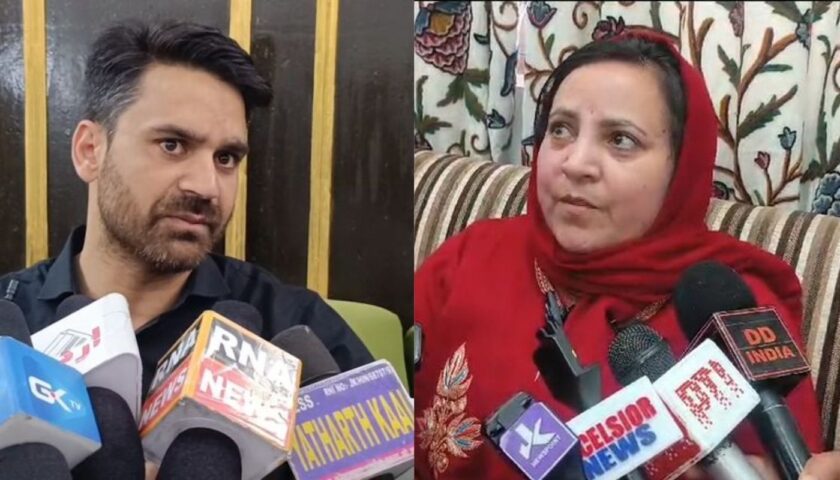
Lawmakers from Rajouri and Poonch — districts traditionally associated with the Pir Panjal region — reacted angrily when the issue was raised during Assembly proceedings. Congress MLA Iftikhar Ahmed stood up during the Question Hour, asserting that Sharma’s comment hurt the sentiments of people from Pir Panjal and demanded that he apologise on the Assembly floor.
Several NC and Congress members, including Aijaz Jan, Javaid Iqbal, Muzaffar Iqbal Khan, and Choudhary Akram, joined the protest inside the House, demanding an unconditional apology from the LoP before the Assembly could proceed.
As tensions escalated, lawmakers from both sides engaged in sloganeering, with opposition MLAs chanting “Pir Panjal Zindabad” and BJP members countering with “Bharat Mata Ki Jai” and “Vande Mataram.”
Adjournment and Outside Protests
With the uproar making normal proceedings impossible, Speaker Abdul Rahim Rather adjourned the Assembly for 15 minutes to allow calm to return.
After the adjournment, members from Rajouri and Poonch staged a dharna (sit-in protest) outside the Assembly complex, refusing to allow business to continue until Sharma apologised, with slogans affirming their regional identity and contributions to national security.
Congress MLA Iftikhar Ahmed said that Sharma’s remarks were “disrespectful” to people of Pir Panjal — a name and identity long recognised locally — and stressed that the House should not function until a proper apology was tendered.
Why It Matters: Pir Panjal’s Identity in J&K Politics
Geographical and Cultural Significance
The Pir Panjal range is a major part of the inner Himalayan system, running through the Jammu division and separating it from the Kashmir Valley. For decades, locals — especially in Rajouri and Poonch — have identified themselves culturally and historically with the Pir Panjal region.
While the term “Pir Panjal” has strong geographical resonance, administrative recognition of the name as an official “region” has been debated, which has now taken on political significance. Lawmakers from the border districts argue that dismissing it undermines the region’s unique identity, contributions, and historical sacrifices, including during conflicts along the India-Pakistan border.
Political Sensitivities and Regional Identity
Identity politics in Jammu & Kashmir is closely intertwined with governance and representation. The debate over the existence and recognition of Pir Panjal as a distinct region has now become a flashpoint in the Assembly, illustrating how geographic nomenclature can quickly take on political weight. Critics of Sharma’s remarks argue that such statements run counter to the aspirations of local communities and detract from their historical legacy.
Sunil Sharma’s camp, on the other hand, defended his position by emphasising Jammu & Kashmir’s status as a single constitutional unit, cautioning against political narratives that emphasise sub-regional divisions.
Political Fallout and Public Reactions
The confrontation has drawn reactions from multiple political quarters:
-
National Conference and Congress MLAs have called for an outright apology and reiterated the importance of respecting regional identities.
-
BJP members, while standing behind Sunil Sharma, have accused opponents of politicising nomenclature for electoral or regional gains, arguing that the Assembly floor should focus on substantive governance issues.
-
Local activists and analysts say the episode highlights how regional pride and representation remain central to political discourse in J&K, especially in an era of heightened sensitivity around identity and constitutional changes since 2019.
Looking Ahead: What This Debate Could Signal
The Pir Panjal row is unlikely to be a passing Assembly disruption. It reflects deeper regional dynamics within Jammu & Kashmir, where identity, geography, and politics intersect:
-
Questions of representation and recognition in policymaking continue to matter deeply for border districts that feel distinct from the Kashmir Valley and central parts of Jammu.
-
The incident suggests that legislative discourse is evolving to foreground identity issues, alongside ongoing debates about development, security, and governance.
-
Observers note that political leadership across parties will now have to balance assertions of state unity with respect for sub-regional sentiments to maintain cohesion in the House and among constituents.
Conclusion: Identity, Politics, and Parliamentary Turmoil
The J&K Assembly’s brief disruption over Sunil Sharma’s remarks on the Pir Panjal region underscores the sensitivity of regional identity in the Union Territory’s political narrative. Lawmakers from border districts saw his comment as undermining their cultural and historical identity, prompting protests inside and outside the legislature and forcing an adjournment.
As the session progresses, this controversy could shape broader discussions on regional representation, nomenclature recognition, and the politics of identity in Jammu & Kashmir’s evolving democratic landscape.