Amit Shah Pushes Tourism Marketing, Announces ₹200-Crore Sports Infra Boost After Reviewing J&K Projects
By: Javid Amin | 07 February 2026
Centre Reaffirms Development Push in Jammu & Kashmir
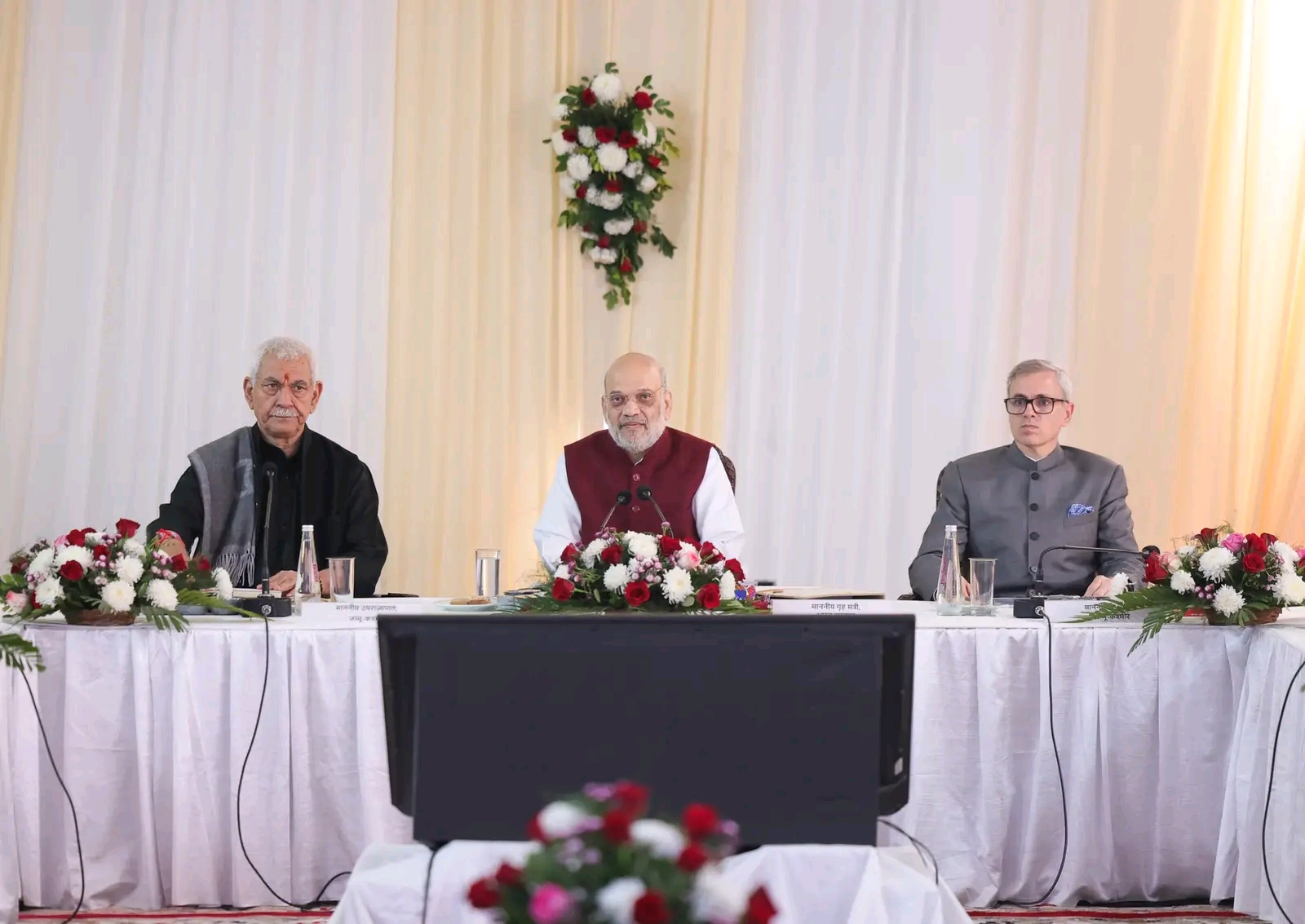
Union Home Minister Amit Shah reviewed a series of development projects in Jammu and reiterated the Centre’s commitment to transforming Jammu & Kashmir into a developed and prosperous region, placing special emphasis on tourism and youth engagement through sports infrastructure.
During the high-level review, Shah stressed that while public enthusiasm for visiting J&K remains strong, the region must adopt aggressive and modern marketing strategies to fully unlock its tourism potential.
His remarks position tourism and sports as dual engines of long-term socio-economic stability.
Tourism: “Enthusiasm Is Intact — Marketing Must Improve”
Shah observed that J&K continues to attract national attention as a tourism destination, but said the next phase of growth depends on professional branding and outreach.
He emphasized:
-
Structured destination marketing
-
International promotion campaigns
-
Infrastructure upgrades at tourist hubs
-
Hospitality ecosystem strengthening
According to officials present at the review, the Centre sees tourism not only as an economic driver but as a stabilizing force that creates employment, supports local businesses, and strengthens public confidence in long-term peace.
The message: demand exists — now scale the ecosystem.
₹200 Crore Sports Infrastructure Investment
One of the headline announcements was a ₹200-crore investment package dedicated to strengthening sports infrastructure in J&K.
The goal is to:
-
Expand stadium and training facilities
-
Support grassroots sports programs
-
Identify and nurture youth talent
-
Provide alternatives to unemployment and social alienation
Shah framed sports as a strategic youth policy tool — not just recreation, but social development.
Officials say the investment will prioritize district-level facilities to ensure access beyond major urban centers.
Development Review: Infrastructure and Welfare Focus
The Home Minister reviewed progress across key sectors, including:
-
Road and connectivity projects
-
Urban development works
-
Welfare delivery mechanisms
-
Public infrastructure upgrades
The review signals continued central oversight of J&K’s development trajectory, with emphasis on execution speed and accountability.
Government sources described the meeting as focused on implementation efficiency, ensuring projects move from announcement to ground-level delivery.
Tourism + Sports: The Twin Growth Pillars
The Centre’s emerging framework places:
Tourism = Economic engine
Sports = Youth empowerment engine
Together, they form a socio-economic strategy designed to:
-
Reduce unemployment
-
Increase private investment
-
Boost local entrepreneurship
-
Strengthen social cohesion
Analysts note that tourism generates immediate revenue, while sports investment yields long-term demographic dividends.
This pairing reflects a broader development philosophy: combine income generation with human capital development.
Political Messaging: Development as Integration
Beyond economics, Shah’s messaging carries political symbolism.
By foregrounding prosperity, infrastructure, and youth opportunity, the Centre is reinforcing a narrative of integration through development.
The emphasis is clear:
Stability → Investment → Opportunity → Growth
This sequencing frames development as both policy and political doctrine.
Why the Announcement Matters
The review and announcements come at a time when J&K is undergoing administrative and economic recalibration.
Tourism revival after years of volatility is seen as critical to restoring investor confidence.
Sports infrastructure is positioned as a preventative social investment targeting youth vulnerability.
₹200 crore may appear modest nationally, but regionally it represents a focused injection into a sector that can produce high social returns.
Economic Ripple Effects
If executed effectively, the initiatives could:
-
Increase tourist footfall
-
Expand hospitality employment
-
Stimulate local transport and retail sectors
-
Create sports-linked industries
-
Encourage private academy investment
Tourism multipliers in hill economies are historically strong, meaning indirect gains may exceed direct budgetary outlays.
Conclusion
Amit Shah’s review of J&K projects signals continued central commitment to transforming the region through targeted economic and social investment.
The push to professionally market tourism and the ₹200-crore sports infrastructure boost reflect a strategy that ties growth to youth engagement and regional branding.
The success of this vision will depend not on announcements, but on execution — how quickly facilities are built, campaigns launched, and benefits reach communities.
For J&K, the roadmap is being drawn around two clear pillars:
visibility to the world, and opportunity for its youth.