By Umar Khan Amiri
Kashmir has long been celebrated for its pristine climate, snow-clad winters, and life-giving rivers. But today, the changing weather patterns across Kashmir are not just a seasonal anomaly—they are an anthemic warning. A winter without snow, deficient rainfall, shrinking forests, rising pollution, and chaotic tourism together form a loud, unsettling chorus demanding urgent attention.
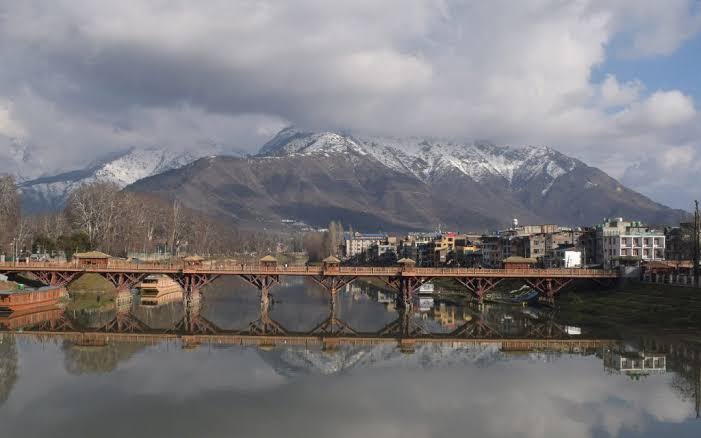
For generations, snow in Kashmir was more than a spectacle; it was a system. Snowfall regulated temperatures, replenished groundwater, sustained agriculture, and powered hydropower projects. Today, prolonged dry spells and snowless winters have disrupted this balance. Springs are drying, rivers run lean, and farmers are left uncertain about sowing cycles. Deficient rain has begun to threaten food security and rural livelihoods, particularly in apple-growing belts and paddy fields that depend on predictable water flows.
This climatic disruption is not happening in isolation. Deforestation has steadily weakened Kashmir’s ecological resilience. Forests that once acted as natural carbon sinks and water retainers are shrinking due to illegal logging, urban expansion, and infrastructure pressure. Without tree cover, soil erosion accelerates, water absorption declines, and flash floods become more frequent. The mountains are losing their natural armor, and with it, the region’s ability to self-correct environmental stress.
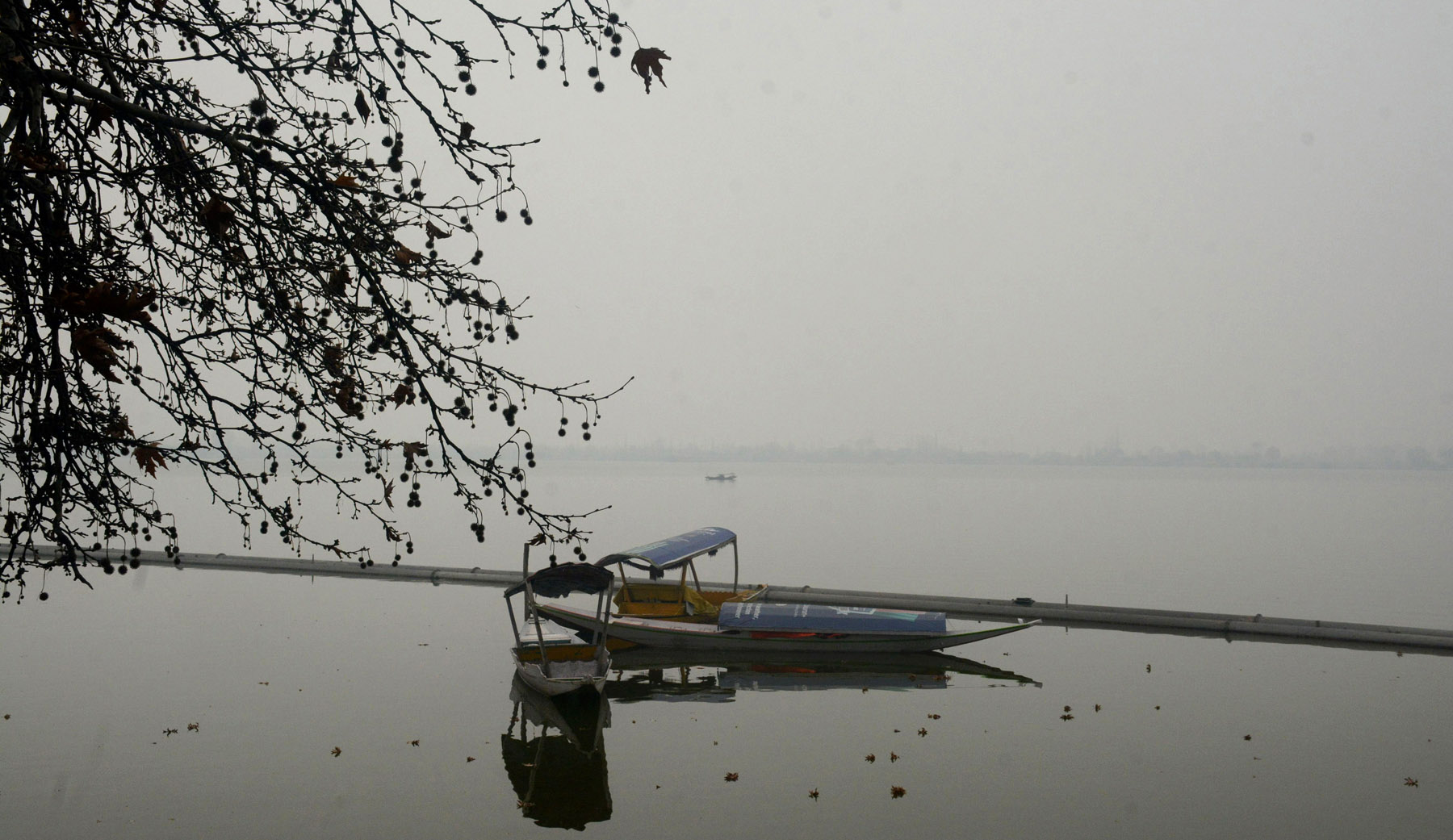
Air pollution, once considered an urban problem elsewhere, has crept into Kashmir’s valleys. Increased vehicular traffic, unchecked construction dust, diesel generators, and biomass burning during winters have degraded air quality. What was once the “clean air capital” narrative is now increasingly challenged by haze-filled mornings, especially in winter months when temperature inversion traps pollutants close to the ground. Respiratory illnesses are rising, quietly but steadily.
Equally alarming is water pollution. Rivers and lakes—symbols of Kashmir’s identity—are being choked by untreated sewage, plastic waste, and chemical runoff. Urban drains empty directly into water bodies, turning lifelines into liabilities. Polluted water not only threatens aquatic ecosystems but also poses severe public health risks. When drinking water sources are compromised, the cost is paid in disease, medical expenses, and lost productivity.
Noise pollution adds another layer to this crisis. Unregulated traffic, construction activity, and high-decibel tourist transport have disturbed both human well-being and wildlife habitats. What was once a region of natural silence and calm is increasingly overwhelmed by mechanical soundscapes. Noise may be invisible, but its psychological and ecological impacts are profound.
At the heart of this environmental strain lies unorganised tourism management. Tourism is vital to Kashmir’s economy, but unmanaged tourism is proving destructive. Overcrowded destinations, reckless waste disposal, pressure on water resources, and unplanned construction have turned fragile ecosystems into dumping grounds. Instead of eco-tourism, we are witnessing extractive tourism—short-term gains at long-term environmental cost.
Together, these challenges demand what can only be called an anthemic approach—a collective, loud, and unified response. This is not a call for cosmetic policy statements but for structural reform. Climate-responsive planning, strict forest protection, pollution control enforcement, scientific tourism caps, and community-led conservation must move from paper to practice.
Kashmir does not need sympathy; it needs stewardship. The changing weather is speaking clearly. The silence of snowless winters and dry riverbeds is, in fact, the loudest alarm we have ever heard. If ignored, the cost will not only be environmental but civilizational—loss of livelihoods, heritage, and identity.
The question is no longer what is happening to Kashmir’s weather?
The real question is: Are we listening—and will we act before the anthem turns into a requiem?