Condemnation, Jobs and Safety: J&K Leaders React to Uttarakhand Attack on Kashmiri Shawl Seller
By: Javid Amin | 30 January 2026
One Attack, Many Questions
The brutal assault on a young Kashmiri shawl seller in Uttarakhand has triggered widespread political reaction in Jammu & Kashmir, cutting across party lines and ideologies. What might otherwise have remained a local law-and-order incident has evolved into a larger conversation about safety, dignity, migration, and employment for Kashmiri youth.
As visuals of the injured trader circulated on social media, senior leaders from different political camps responded with condemnation and concern. BJP General Secretary (Organisation) Ashok Kaul termed the attack “unfortunate and wrong,” while People’s Conference chief and MLA Sajad Lone used the moment to push for a stronger focus on employment generation in the upcoming Union Budget 2026.
Together, their statements reflect a rare convergence: agreement that violence against Kashmiri workers is unacceptable, and acknowledgement that economic vulnerability lies at the heart of the problem.
The Uttarakhand Incident — What Happened
Mob Attack in Dehradun
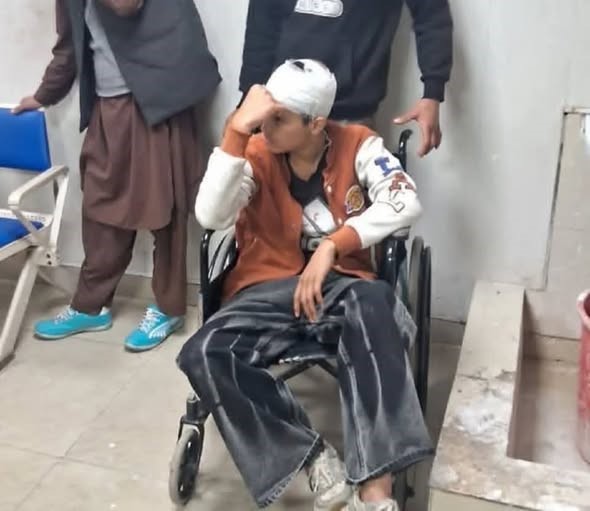
The incident occurred in Dehradun, Uttarakhand, where a young Kashmiri man selling shawls was allegedly assaulted by a mob. The victim sustained serious injuries, sparking outrage both in Kashmir and beyond.
Shawl sellers from Kashmir traditionally travel to northern and central Indian states during winter months, relying on seasonal trade to sustain their families. The attack struck at the core of this long-standing livelihood pattern.
Viral Footage and Public Outcry
Videos and images showing the injured youth quickly went viral, prompting sharp reactions on social media. Many users questioned why small traders continue to face hostility despite being engaged in legitimate economic activity.
Ashok Kaul’s Condemnation — ‘Unfortunate and Wrong’
BJP’s Official Line
Reacting to the incident, Ashok Kaul, BJP’s General Secretary (Organisation) in Jammu & Kashmir, unequivocally condemned the violence.
Calling the attack “unfortunate and wrong,” Kaul said such acts harm social harmony and run counter to India’s values of coexistence and economic freedom.
Call for Strict Action
Kaul urged authorities to:
- Take strict action against those responsible
- Ensure the safety of Kashmiri traders working outside the Valley
- Prevent the incident from being communalised or politicised
His remarks were seen as an attempt to reassure Kashmiris that the BJP leadership does not condone such violence and supports accountability.
Political Context — A Rare Moment of Convergence
Across Party Lines
Ashok Kaul’s statement came amid strong condemnation from leaders across the political spectrum, including Chief Minister Omar Abdullah, Congress representatives, and civil society voices.
Many leaders linked the incident to a broader climate of rising intolerance, particularly targeting migrant workers and minorities.
Messaging and Optics
For the BJP, Kaul’s condemnation was also significant politically. It sought to counter allegations that attacks on Kashmiri traders in BJP-ruled states reflect deeper ideological hostility.
Sajad Lone Shifts Focus to Jobs and Budget 2026
Employment as the Core Issue
While condemning attacks on Kashmiri workers, Sajad Lone, President of the People’s Conference and MLA from Handwara, widened the lens.
He argued that the biggest challenge facing Jammu & Kashmir is unemployment, and that safety concerns are directly linked to economic compulsion.
“Employment generation must be the central focus of this year’s budget,” Lone said, referring to the upcoming Union Budget 2026.
Tourism and Horticulture as Job Engines
Lone identified tourism and horticulture as sectors with the greatest potential to absorb unemployed youth:
- Tourism: Destinations like Gulmarg, Pahalgam, and Srinagar can generate both seasonal and permanent jobs
- Horticulture: Apples, saffron, and allied activities remain J&K’s traditional strengths
He stressed the need for modernisation, value addition, and export-oriented infrastructure.
Why Jobs Matter More Than Ever in J&K
Youth Bulge and Limited Opportunities
Jammu & Kashmir has a disproportionately young population, but limited industrial growth and private investment have constrained job creation.
For many families, seasonal migration has become a survival strategy rather than a choice.
Migration and Risk
Recent attacks in Uttarakhand, Himachal Pradesh, and elsewhere have highlighted the risks associated with migration, making local employment an even more urgent priority.
Union Budget 2026 — Expectations and Skepticism
A Watershed Moment?
Analysts see Union Budget 2026 as a crucial test for the government’s employment narrative — not just in J&K, but nationwide.
There is growing demand for:
- Outcome-driven job schemes
- Region-specific interventions
- Stronger monitoring of implementation
Structural Gaps
Critics warn that previous budgets often promised job creation but failed to deliver tangible results on the ground, particularly in conflict-affected regions like J&K.
Safety, Dignity, and Social Harmony
Beyond Law and Order
Attacks on Kashmiri workers raise questions beyond policing:
- How secure is interstate mobility in practice?
- Are migrant workers adequately protected?
- How can prejudice be countered at the community level?
Shared Responsibility
Leaders argue that ensuring safety requires coordination between states, awareness campaigns, and swift justice to deter future attacks.
Chapter 8: What Needs to Be Done
Immediate Steps
- Fast-track investigations and prosecutions
- Public reassurance by political leadership
- Helplines and support systems for migrant workers
Long-Term Solutions
- Budget-backed employment generation in J&K
- Incentives for private investment
- Skill development aligned with tourism and horticulture
- Strengthening start-up ecosystems
Conclusion: From Condemnation to Course Correction
The Uttarakhand attack on a Kashmiri shawl seller has once again exposed the fragile intersection of livelihood, identity, and safety. While Ashok Kaul’s condemnation reflects an effort to preserve social harmony, Sajad Lone’s emphasis on employment underscores a deeper truth: economic vulnerability amplifies risk.
If Union Budget 2026 can translate political consensus into concrete job creation, it may reduce the compulsion that pushes Kashmiri youth into unsafe conditions far from home. Until then, condemnation must be matched with policy, and sympathy with sustained action.