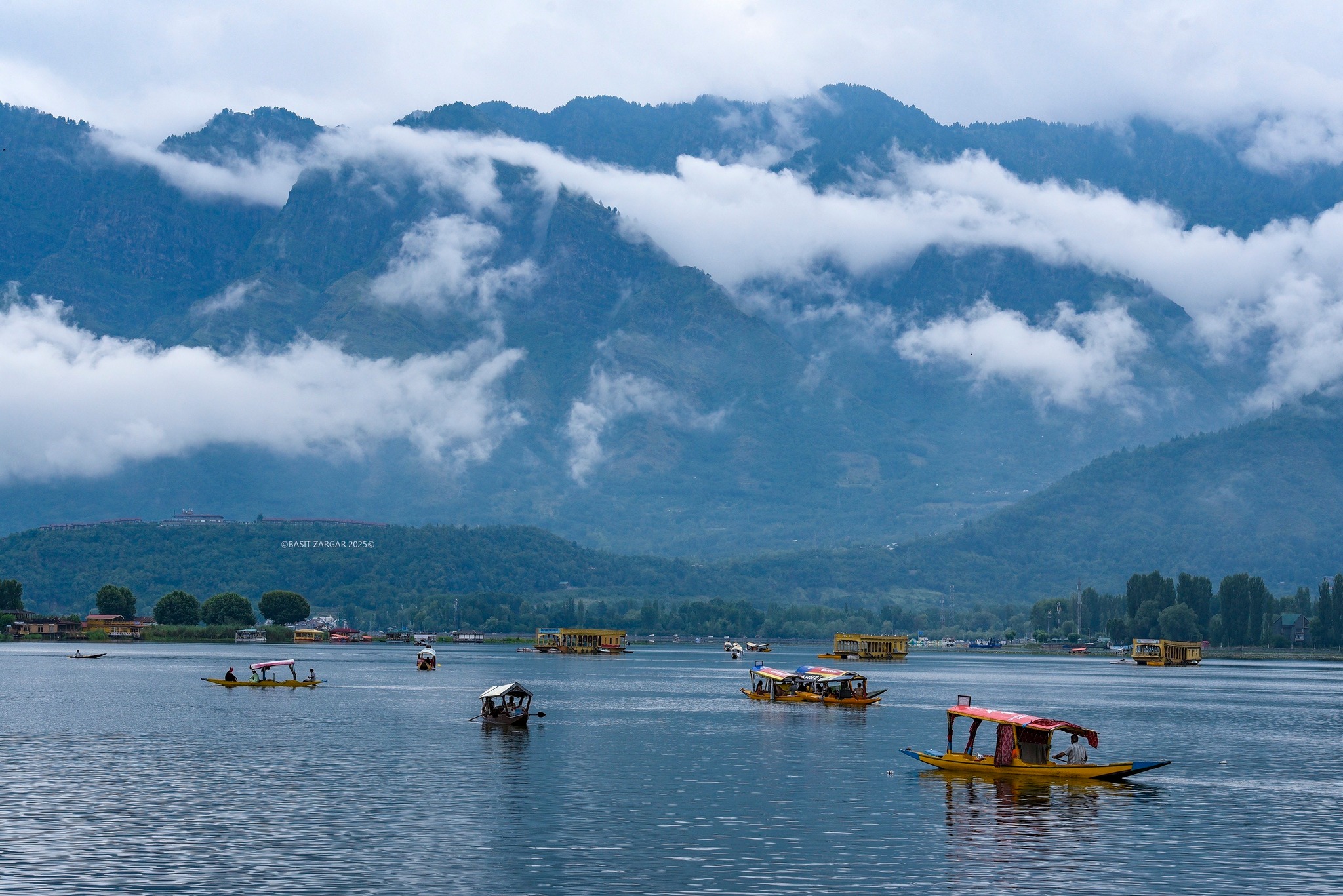
Tourism in Kashmir 2026 — Resilience, Growth, and a New Era of Travel
Tourism has long been the economic backbone of Kashmir, driving employment, social mobility, and global interest in the Himalayan region. As we enter 2026, the tourism sector stands at a crossroads — balancing recovery, persistent challenges, and opportunities for sustainable expansion.
The tourism landscape in Jammu & Kashmir has seen dramatic fluctuations over the past few years. After the abrogation of Article 370 in 2019, there were clear signs of revival. Domestic tourist visits surged from approximately 25.19 lakh in 2020 to over 2.35 crore in 2024, while foreign arrivals rebounded from just 1,650 in 2021 to 65,452 in 2024 — a testament to renewed confidence among travellers and investments in accessibility and infrastructure under schemes such as Swadesh Darshan.
However, the tourism resurgence faced a serious setback in April 2025, when a deadly terror attack in Pahalgam’s Baisaran Valley claimed the lives of 26 civilians, including many tourists. The incident led to a wave of cancellations, closure of numerous tourist sites, and significant short-term losses for local businesses, underscoring how security perceptions can sharply influence travel decisions.
Despite these shocks, recent data paint a nuanced picture for 2025. Official figures indicate the Kashmir region welcomed around 10.68 lakh tourists in 2025, including 10.47 lakh domestic and 21,361 foreign visitors — showing sustained interest even after the mid-season slump. Meanwhile, broader Jammu & Kashmir as a whole recorded over 1.58 crore tourists, buoyed by pilgrimage circuits and leisure travel.
This mixed performance reflects both fragility and resilience. On one hand, early 2025 footfall reports showed steep declines compared with 2024, with nearly a 52 % drop in tourist arrivals during the first half of 2025 compared to the same period in 2024, highlighting the deep impact of security concerns on traveler confidence. On the other hand, continued arrivals throughout the year and the return of winter tourism by December suggest that visitor sentiment is gradually normalising.
Looking ahead to 2026, several factors will shape Kashmir’s tourism potential:
- Security and Perception Management:
Sustained peace and consistent communication about safety will be essential. The shadow of conflict significantly alters visitor choices, and long-term recovery depends on credible stability. The government’s prompt response to security challenges and reinvigorated safety protocols for pilgrims and tourists are positive steps but require continuous reinforcement. - Strategic Promotion and Infrastructure:
Improved connectivity — from newly upgraded roads to enhanced accommodation — must be complemented with marketing campaigns that showcase Kashmir’s diverse offerings: from cultural hotspots like Srinagar’s gardens and Dal Lake to adventure tourism in Gulmarg and rural homestays. Continued investment under national tourism schemes can help broaden economic benefits. - Diversification and Sustainability:
Tourism demand is evolving. Beyond traditional summer visitors, there’s rising interest in winter sports, cultural festivals, eco-tourism, and niche travel experiences. Promoting off-season travel and protecting fragile ecosystems from overtourism will be crucial — both for environment and community well-being. - Local Livelihoods and Inclusive Growth:
Tourism supports a wide spectrum of economic activity — from transport and hotels to artisans and guides. Fostering local entrepreneurship and skill development can ensure that gains reach beyond major hotels and pilgrimage circuits, strengthening grassroots resilience.
In sum, Kashmir’s tourism sector in 2026 stands poised between promise and unpredictability. The past year’s data underscore that while visitor numbers have not yet eclipsed the 2024 peak, the sector continues to attract significant domestic and international interest. With strategic policy support, sustained security, and a focus on sustainability and diversification, tourism can help drive meaningful socio-economic upliftment across the Valley — not just as a seasonal escape, but as a durable engine of opportunity.