Snowfall Grounds Kashmir: Flights Cancelled, Officials Suspended as Winter Paralyses Srinagar
By: Javid Amin | 28 January 2026
When Winter Brings Kashmir to a Halt
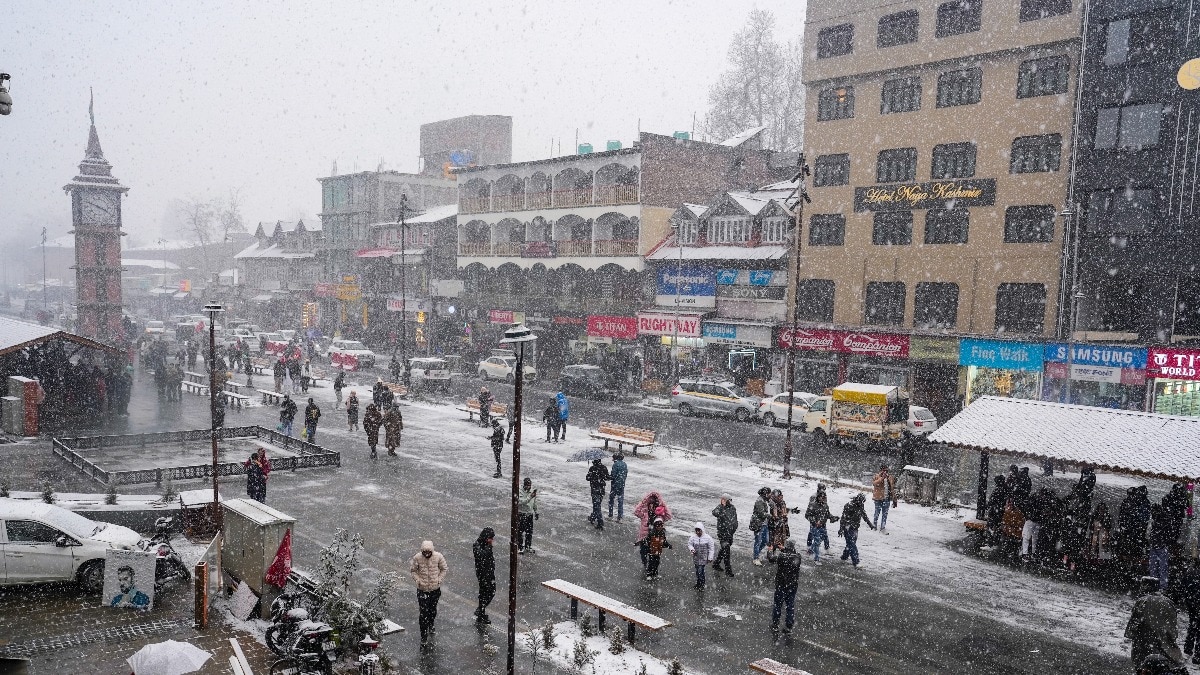
In the early hours of January 27, 2026, Kashmir woke up to a familiar yet formidable adversary — heavy snowfall. Thick white layers blanketed Srinagar and large parts of the Valley, transforming the landscape into a postcard-perfect winter scene. But beneath the beauty lay disruption, uncertainty, and mounting frustration. Within hours, air traffic was grounded, highways were closed, daily life slowed to a crawl, and the administration found itself under intense scrutiny.
By midday, the scale of the disruption became clear. As many as 50 flights to and from Srinagar International Airport were cancelled, leaving hundreds of passengers stranded. Simultaneously, the Jammu & Kashmir government took the rare but stern step of suspending five officials over alleged lapses in snow clearance operations — a move that signalled both urgency and political accountability.
This mega-feature takes a deep, ground-level look at the snowfall crisis in Kashmir: what happened, why it matters, how authorities responded, and what it reveals about governance, infrastructure preparedness, and life in one of India’s most weather-sensitive regions.
The Snowfall Event — Nature’s Annual Test
Western Disturbance and Heavy Accumulation
The snowfall that struck Kashmir was triggered by an active western disturbance, a weather system that routinely brings rain and snow to north India during winter. This particular system, however, proved intense and persistent. Snowfall continued intermittently through the night and into the morning, reducing visibility, lowering temperatures, and rapidly accumulating on roads, rooftops, and runways.
In Srinagar, snowfall ranged from moderate to heavy, while higher reaches experienced even greater accumulation. Meteorological officials described the event as “seasonal but severe,” cautioning that such spells often overwhelm urban infrastructure if preparedness is inadequate.
Temperature Drop and Visibility Issues
As snow continued to fall, temperatures plunged close to freezing levels. Poor visibility — a critical factor for aviation — became a decisive reason behind the suspension of flight operations. Runway friction levels dropped, and continuous snowfall made safe aircraft movement impossible.
Srinagar Airport — 50 Flights Cancelled, Chaos Unfolds
Scale of Flight Disruptions
Srinagar International Airport, the Valley’s primary air gateway, witnessed one of the worst winter disruptions of the season. According to airport authorities, around 50 flights — including both arrivals and departures — were cancelled in a single day.
Major domestic carriers operating the Srinagar route were affected. Early morning flights were the first to be grounded, followed by a cascading effect on later schedules as weather conditions failed to improve.
Stranded Passengers and Human Stories
Inside the airport terminal, scenes of confusion and anxiety unfolded. Families returning after winter holidays, tourists concluding their snow vacations, patients travelling for medical reasons, and students heading back to universities all found themselves stranded.
Many passengers complained of delayed information, limited accommodation options, and rising costs as hotel tariffs surged due to sudden demand. For tourists unfamiliar with Kashmir’s winter volatility, the experience was particularly stressful.
Airline Advisories and Operational Constraints
Airlines issued advisories urging passengers to check flight status before travelling to the airport. However, with limited alternative transport options available due to road closures, cancellations effectively isolated the Valley.
Airport officials clarified that safety remained the overriding concern. Runway clearance requires continuous mechanical sweeping and chemical treatment, both of which become ineffective during sustained snowfall.
Roads Closed, Valley Cut Off
Jammu–Srinagar Highway Shut
If flight cancellations strained mobility, road closures amplified the crisis. The strategic Jammu–Srinagar National Highway (NH-44) — Kashmir’s lifeline to the rest of India — was closed due to snow accumulation and slippery conditions at multiple stretches.
This closure had immediate consequences: essential supplies slowed, passenger buses halted, and truckers were stranded for hours, sometimes days.
Other Key Routes Affected
Several other arterial roads, including the Mughal Road and Sinthan Pass, were also rendered impassable. Within Srinagar city, interior roads and residential lanes remained snowbound for extended periods, affecting access to hospitals, markets, and workplaces.
Snow Clearance — Where the System Faltered
Public Complaints and Visible Delays
As snow piled up, public frustration mounted over slow and uneven snow clearance. While main roads received priority attention, many secondary roads, residential areas, and commercial lanes remained uncleared well into the day.
Residents reported difficulties in emergency movement, including ambulances navigating narrow, snow-clogged streets. Social media platforms were flooded with videos and images highlighting uncleared roads and stranded vehicles.
Administrative Review and Ground Inspection
Senior officials conducted ground inspections and monitored operations through control rooms. It was during these reviews that lapses in coordination, absenteeism, and delayed deployment of machinery reportedly came to light.
Government Action — Five Officials Suspended
The Decision
In a strong administrative move, the Jammu & Kashmir government suspended five officials of the Roads & Buildings (R&B) Department for alleged lapses in snow clearance duties.
The suspensions were ordered after senior leadership reviewed performance reports and found serious shortcomings during critical hours of snowfall.
Why the Suspensions Matter
Such punitive action is uncommon and politically significant. It sends a clear signal that winter preparedness is not merely a logistical issue but a governance priority.
Officials were accused of failing to ensure timely clearance, inadequate supervision of ground staff, and absence during peak operational hours.
Reassignment and Continuity Measures
To prevent further disruption, the government reassigned responsibilities to other officers and directed round-the-clock clearance operations until normalcy is restored.
Political and Administrative Implications
Accountability in a Weather-Prone Region
Kashmir’s geography makes winter disruption inevitable. However, what remains under scrutiny is administrative readiness. The suspensions reflect growing political sensitivity toward public inconvenience and safety.
Opposition and Public Response
Opposition leaders welcomed the action but demanded systemic reforms rather than symbolic punishment. Civil society groups echoed similar sentiments, calling for better planning, modern equipment, and transparent monitoring.
Impact on Tourism and Local Economy
Tourism Takes a Hit
Winter tourism is a major economic driver in Kashmir. Flight cancellations and road closures disrupted hotel bookings, tour schedules, and local transport services.
Houseboat owners, taxi operators, guides, and small traders reported losses as tourists extended stays unexpectedly or cancelled plans altogether.
Daily Wage Earners and Informal Sector
For daily wage workers, snowfall meant lost income. Construction work halted, street vendors stayed off roads, and small shops struggled with supply shortages.
Life Under Snow — Voices from the Ground
Residents Speak
Many residents described the snowfall as both beautiful and burdensome. While snow is culturally and emotionally significant in Kashmir, repeated disruptions expose vulnerabilities in urban planning.
Parents worried about school closures, patients feared medical delays, and elderly residents struggled with mobility.
Lessons from the Crisis
Infrastructure Preparedness
Experts argue that climate variability demands upgraded snow management systems — from GPS-enabled snowploughs to decentralised response units.
Policy and Planning
There is a growing call for a dedicated winter management authority with clear accountability, budgetary autonomy, and performance benchmarks.
Conclusion: Winter Will Return — Will Preparedness Improve?
The January 2026 snowfall once again reminded Kashmir of nature’s power and governance’s responsibility. While the cancellation of 50 flights underscored environmental constraints, the suspension of officials highlighted human and administrative shortcomings.
As snow continues to define life in the Valley, the real challenge lies not in stopping winter, but in managing it better. Whether this episode becomes a turning point for systemic reform or fades into seasonal memory will determine how Kashmir faces its next snowfall.