‘Selective Misuse of Article 311 in J&K’: Waheed Para Flags Due Process Concerns Over Employee Terminations
As 87 Government Employees Are Dismissed Without Inquiry Since 2020, a Constitutional Provision Meant for Exceptional Circumstances Becomes a Flashpoint in Jammu and Kashmir
By: Javid Amin | 13 January 2026
A Constitutional Clause Under Scrutiny
In Jammu and Kashmir, where governance is inseparable from security considerations, constitutional provisions meant for exceptional circumstances are increasingly becoming instruments of routine administration. The latest controversy surrounding Article 311(2)(c) of the Indian Constitution has once again brought this tension into sharp focus.
Following the termination of five more government employees in January 2026 for alleged terror links — taking the total number of such dismissals since 2020 to 87 — People’s Democratic Party (PDP) leader Waheed Para has accused the administration of selectively misusing Article 311, bypassing due process and natural justice.
At the heart of Para’s criticism lies a fundamental question:
Can the state permanently deprive a citizen of livelihood and reputation without completing investigations or allowing a defence — even in the name of security?
What Waheed Para Said — And Why It Matters
“Why Can’t Investigations Be Completed?”
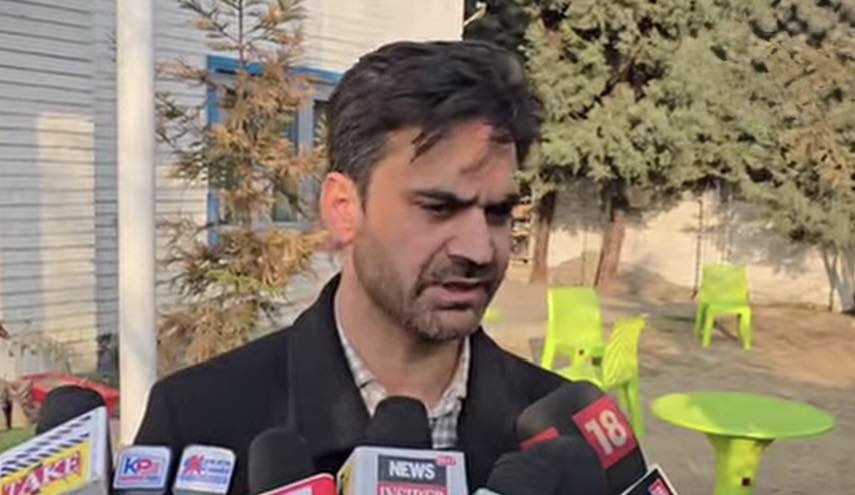
Reacting to the latest round of dismissals, Waheed Para questioned the logic and legality of terminating employees before investigations are concluded.
“Why can’t investigations be completed and facts established before terminating employees? Without inquiries, such actions are unjust and arbitrary.”
His remarks were not merely rhetorical. They struck at the core of constitutional governance, challenging the manner in which Article 311(2)(c) is being operationalized in Jammu and Kashmir.
Allegation of Selective Application
Para further alleged that:
-
Article 311 is being applied disproportionately in J&K
-
The provision is invoked selectively, often without transparency
-
Kashmiris appear to be disproportionately affected
While stopping short of alleging collective targeting, his statement reflected a growing sentiment among regional leaders that extraordinary constitutional powers are becoming normalized in the Union Territory.
Understanding Article 311: Protection, Exception, and Power
What Article 311 Guarantees
Article 311 of the Indian Constitution exists primarily to protect civil servants from arbitrary dismissal, removal, or reduction in rank. Under normal circumstances, it mandates:
-
A departmental inquiry
-
Opportunity to be heard
-
Presentation of evidence
-
Right to defence
These safeguards are central to administrative fairness.
The Exception: Article 311(2)(c)
Clause (2)(c) creates an exception. It allows dismissal without inquiry if:
-
The President or Governor is satisfied
-
That such action is necessary in the interest of state security
This clause was designed as a last-resort measure, not a routine administrative shortcut.
Legal scholars have long held that:
-
It must be used sparingly
-
Satisfaction must be based on material evidence
-
The power is extraordinary, not discretionary
The Recent Dismissals: What We Know
January 2026 Terminations
The five employees dismissed in January 2026 belonged to:
-
Education
-
Health
-
Power
-
Forest departments
Authorities cited alleged links with banned outfits such as Lashkar-e-Taiba and Hizbul Mujahideen.
The Bigger Picture
Since 2020:
-
87 government employees have been terminated
-
Multiple departments affected
-
All dismissals carried out under Article 311(2)(c)
-
No departmental inquiries conducted
The administration maintains that security inputs justified each dismissal.
Government’s Position: Security Cannot Wait
The ‘Terror Ecosystem’ Argument
The administration and security agencies consistently argue that:
-
Terror networks attempt to infiltrate state institutions
-
Government employees can become facilitators or assets
-
Waiting for lengthy inquiries could compromise security
From this perspective, speed is not just desirable but essential.
Legal Backing
Officials point out that:
-
Article 311(2)(c) is constitutionally valid
-
Courts have upheld its use in exceptional cases
-
The provision explicitly allows bypassing inquiry
For the administration, the dismissals are portrayed as preventive, not punitive.
The Due Process Debate: Where Critics Push Back
Natural Justice vs State Security
Critics like Waheed Para do not deny the state’s right to act against genuine threats. Their objection lies in:
-
Absence of transparency
-
Lack of post-dismissal remedy
-
Permanent damage to livelihood and reputation
They argue that security cannot be a blanket justification for suspending constitutional protections indefinitely.
No Inquiry, No Defence
Under Article 311(2)(c):
-
Employees are not told the evidence against them
-
They cannot challenge allegations before termination
-
Judicial review is limited to procedural scrutiny
Civil liberties groups warn this creates a dangerous precedent where suspicion substitutes proof.
Selective Use: Why J&K Feels Different
A Regional Pattern?
Waheed Para’s charge of selective misuse resonates because:
-
Article 311(2)(c) is rarely used elsewhere in India at this scale
-
J&K accounts for a disproportionate number of dismissals
-
The region already operates under enhanced security laws
This concentration raises legitimate questions about equal constitutional treatment.
Union Territory Context
Since the abrogation of Article 370:
-
J&K has no elected state government with full powers
-
Decisions flow largely from the Lieutenant Governor’s office
-
Oversight mechanisms are perceived as weaker
In this context, extraordinary powers attract greater scrutiny and suspicion.
Impact on Governance and Public Services
Departments Under Strain
Removing employees from:
-
Schools
-
Hospitals
-
Power utilities
-
Forest services
has tangible consequences.
While the administration insists replacements are arranged, ground-level disruptions are inevitable — especially in remote areas.
Morale and Institutional Trust
Frequent dismissals without inquiry risk:
-
Creating fear among employees
-
Discouraging whistleblowing or dissent
-
Undermining institutional morale
Public service thrives on stability and trust, both of which are strained under constant securitization.
Legal Experts Weigh In: A Constitutional Grey Zone
Judicial Safeguards Exist — On Paper
Courts have held that:
-
“Satisfaction” under Article 311 must not be arbitrary
-
There must be some material basis
-
Courts can review mala fide intent
However, since evidence often involves classified intelligence, meaningful judicial scrutiny becomes difficult.
The Accountability Gap
Legal analysts argue that:
-
Extraordinary powers require extraordinary accountability
-
Periodic legislative or judicial review is essential
-
Transparency mechanisms must evolve alongside security frameworks
Without this, Article 311 risks becoming a tool of administrative convenience.
Political Fallout: Another Flashpoint in Kashmir Politics
Opposition Consolidation
Para’s remarks add to a growing chorus from:
-
PDP leaders
-
Civil society groups
-
Rights advocates
All questioning governance practices in the Union Territory.
Security vs Rights as a Political Fault Line
The controversy reinforces a familiar divide:
-
The administration frames actions as security imperatives
-
Regional leaders frame them as erosion of constitutional safeguards
This divide is becoming one of the central political narratives in J&K.
What Are the Alternatives?
Critics suggest a middle path:
-
Complete investigations first
-
Use suspension, not dismissal, during probes
-
Allow post-decisional hearings
-
Establish independent review mechanisms
Such measures, they argue, would balance security needs with fairness.
Conclusion: An Exceptional Power at a Crossroads
Article 311(2)(c) was never meant to be ordinary. Its increasing use in Jammu and Kashmir has turned it into a symbol of the larger governance dilemma facing the region.
For the administration, swift dismissals are about preventing infiltration and safeguarding lives.
For leaders like Waheed Para, they represent a troubling slide away from due process and equal constitutional protection.
The real challenge lies not in choosing between security and rights, but in ensuring that one does not permanently eclipse the other.
In a democracy, even the strongest state must ultimately answer a simple question:
Can justice remain invisible and still be just?