National Medical Commission Cancels MBBS Approval for Vaishno Devi Medical College After Admission Controversy in J&K
By: Javid Amin | 06 January 2026
When Medical Admissions Turn Political
Medical admissions in India are normally governed by marks, merit lists, and regulation. But sometimes, they become lightning-rods for political and social tension.
That is precisely what happened in Jammu & Kashmir when Shri Mata Vaishno Devi Institute of Medical Excellence — a new medical college — admitted its first MBBS batch for 2025–26. Out of 50 seats, 42 candidates were Muslims, largely from Kashmir valley, one candidate was Sikh, and the remaining belonged to non-Muslim communities.
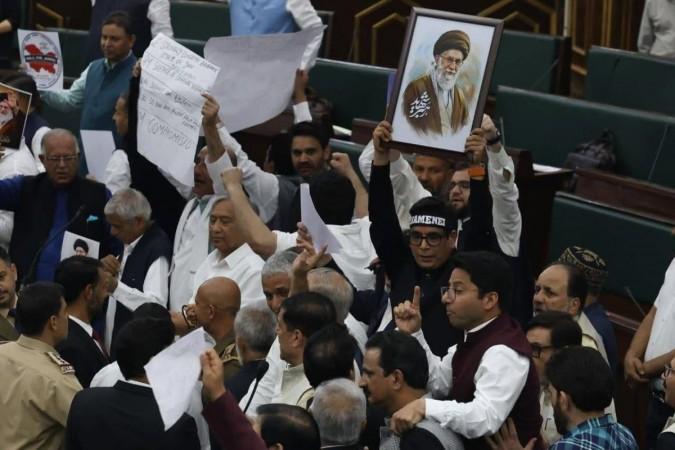
The admission list triggered street-level protests in parts of Jammu, political messaging, and polarised public debate.
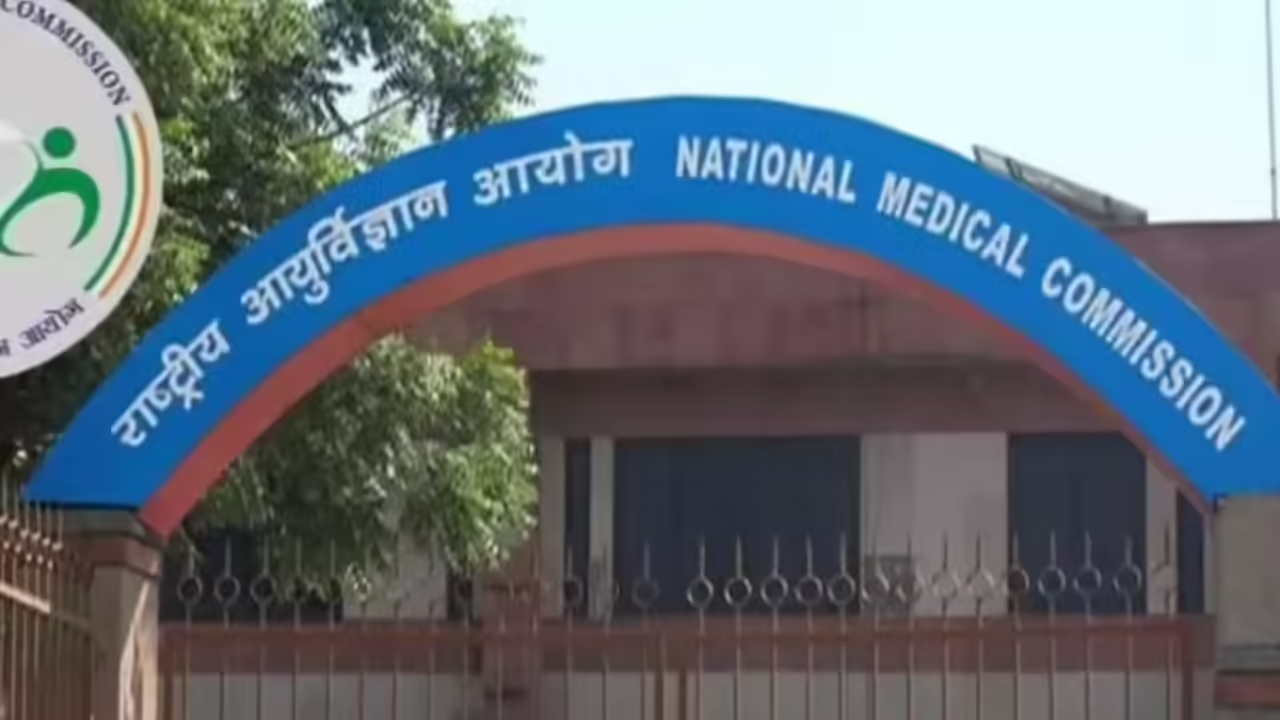
Then, the National Medical Commission (NMC) stepped in — and cancelled recognition of the college’s MBBS course altogether.
NMC insists the decision was taken solely because of serious non-compliance with regulatory standards.
But the timing — coming amid communal noise — has ensured the discussion is no longer just about compliance or education.
It is about:
-
regulation
-
trust
-
fairness
-
and the fragile social climate of Jammu & Kashmir
What Happened — A Step-by-Step Account
1. Admissions Spark Controversy
-
The college’s inaugural MBBS batch enrolled 50 students
-
42 were Muslims, primarily from Kashmir valley
-
1 was Sikh
-
Most students had cleared NEET-UG on merit
Local social groups in Jammu protested, arguing that regional representation was skewed. Some voices took a communal line.
Meanwhile, the medical education regulator took note of compliance issues already under review.
2. NMC Withdraws Letter of Permission
The Medical Assessment and Rating Board (MARB) of NMC cancelled the college’s MBBS permission, stating that:
-
Minimum faculty norms were not met
-
Infrastructure was incomplete or inadequate
-
Compliance with 2023 regulations was lacking
-
Patient load, clinical exposure, or hospital readiness fell short
This meant:
The MBBS course approval for 50 seats was revoked.
3. Student Protection Measures Announced
To prevent academic harm:
-
All admitted students will be shifted to recognised medical colleges in J&K
-
Seats will be supernumerary (extra), so they do not displace existing students
-
The government has assured security and continuity
This step was meant to ensure no student loses their career.
4. Political Reaction
-
BJP leaders welcomed the withdrawal, framing it as correction of irregularities
-
Critics argued that religious identity was unnecessarily highlighted, deepening suspicion and fear among Kashmiri students
The issue instantly moved from regulatory compliance to political narrative.
FACT-BOX: Key Facts at a Glance
| Item | Status |
|---|---|
| College | Shri Mata Vaishno Devi Institute of Medical Excellence |
| Course | MBBS (50 seats) |
| Batch | 2025–26 |
| Controversy | 42 Muslim candidates among 50 |
| NMC Action | Letter of Permission withdrawn |
| Reason | Non-compliance with minimum standards |
| Student Status | Protected and transferred |
| Political Response | BJP welcomed decision |
NMC’s Position — A Regulatory Decision, Not a Communal One
The National Medical Commission has made it clear:
The decision is based on serious non-compliance with medical education standards.
Medical colleges must meet:
-
teaching faculty norms
-
hostel & lab standards
-
hospital patient load thresholds
-
quality benchmarks
Even a single batch operating without readiness can compromise clinical training quality — a matter of national interest.
From a governance standpoint, medical regulation must remain apolitical.
Ground Reality — Why the Issue Became Sensitive
Jammu & Kashmir sits at the intersection of identity, regional aspiration, and political rhetoric.
So when:
-
a Hindu shrine trust–linked medical college
-
admitted a largely Muslim batch
-
and then faced protests
-
followed by a regulatory crackdown
…it was inevitable the matter would be perceived through communal and political lenses.
For many in Jammu, the reaction reflected:
-
perceived marginalisation in education opportunities
-
regional competition concerns
For many in Kashmir, it signalled:
-
mistrust
-
fear of discrimination
-
political targeting narratives
The truth likely lies between governance process and political reaction.
Data Table — Student Composition (Reported)
| Religion / Background | No. of Students (out of 50) |
|---|---|
| Muslim | 42 |
| Sikh | 1 |
| Other / Non-Muslim | 7 (combined estimate) |
(Based on reported admissions list details)
What It Means for Students
The good news
-
No student loses their MBBS seat
-
Transfers ensured
-
Degrees remain valid
The bad news
-
Emotional stress
-
Distrust in process
-
Loss of stability
For first-year students, uncertainty during the foundational academic year is disruptive.
Political Fallout — Narratives in Motion
BJP
Welcomed the cancellation — publicly citing irregularities.
Opposition Voices
Warned of communal overtones and image damage to Kashmir’s youth.
Public Divisions
Some saw justice
Others saw prejudice
The debate reflects deep-rooted anxieties in J&K society.
Regulation vs Perception — A Delicate Balance
Even if the NMC decision is purely technical, the controversy shows how:
-
education
-
religion
-
identity
-
governance
can become interlinked.
And once that happens, facts struggle against perception.
Wider Implications for Medical Education
-
Trust in Regulation
Students must feel secure that merit alone matters. -
Regional Sensitivity
Admissions issues must be handled carefully in J&K. -
Transparency
Regulatory communication must be clear, insulated from politics. -
Safeguarding Students
Academic protection must always remain priority.
Editorial Perspective — Protect Students, Preserve Standards, Avoid Communalisation
Medical education must stand above identity politics.
Two truths can coexist:
-
NMC must enforce standards strictly
-
Students must never be reduced to religious statistics
Education cannot survive if merit becomes suspect — from either side.
The real work now lies in:
-
depoliticising academic spaces
-
ensuring compliance before admissions
-
maintaining transparency
And above all:
ensuring every student — Hindu, Muslim, Sikh, or otherwise — feels safe pursuing education in India.
Because the stethoscope knows no religion.
Summary
The National Medical Commission has withdrawn recognition of Shri Mata Vaishno Devi Institute of Medical Excellence’s MBBS course after finding serious regulatory lapses, following controversy over an admissions list where 42 of 50 students were Muslims. Students will be transferred to recognised colleges in J&K. While the BJP welcomed the move, critics warn the issue has deepened communal tension — raising questions about regulation, fairness, and political messaging in a sensitive region.