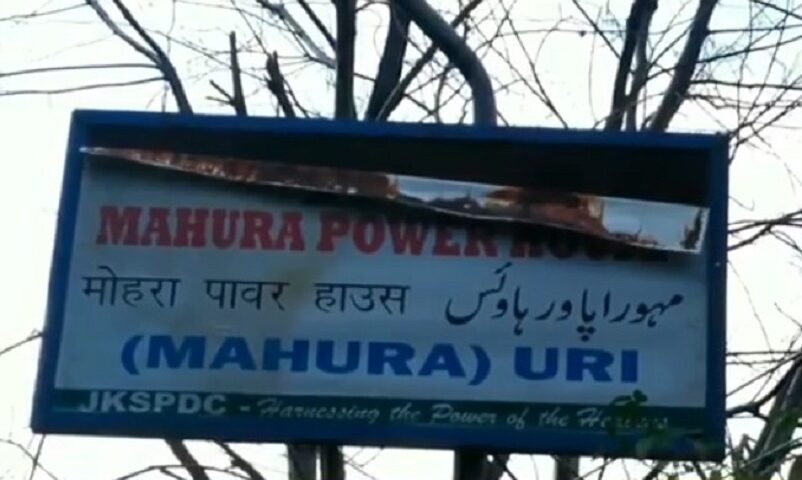
Mohra Hydroelectric Power Project: How Asia’s Earliest Power Station in Kashmir Slipped Into Silence
By: Javid Amin | 25 January 2026
More than a century ago, when large parts of Asia still relied on oil lamps and fireplaces, electric bulbs glowed in Srinagar—powered not by coal or diesel, but by the flowing waters of the Jhelum River.
At the heart of this quiet revolution stood the Mohra Hydroelectric Power Project, commissioned in 1905 during the reign of Maharaja Pratap Singh. It was not merely a power station; it was a declaration of Kashmir’s technological ambition at a time when hydroelectricity itself was a novelty.
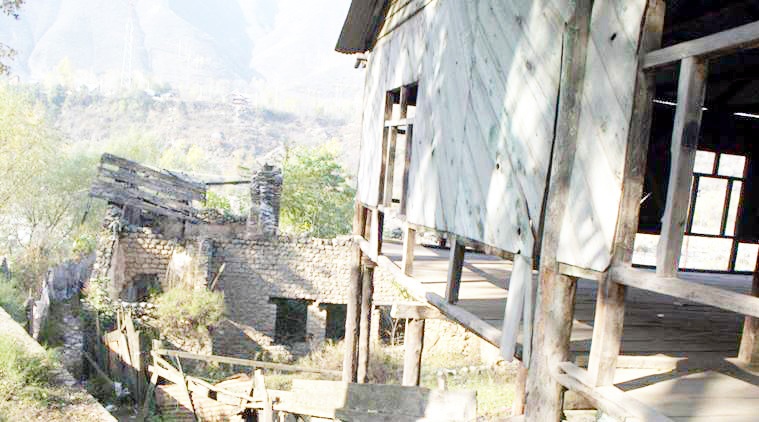
Today, the same project lies in ruins—defunct since the devastating floods of 1992, overgrown with weeds, its turbines silent, its legacy forgotten. Despite repeated assurances, policy documents, and revival proposals, Mohra remains one of Kashmir’s most glaring examples of heritage neglect and missed clean energy opportunity.
A Vision Ahead of Its Time: Mohra’s Birth in 1905
Powering a Valley Before Power Was Common
When Mohra was commissioned, electricity was rare even in major Asian cities. Yet Srinagar, under princely rule, became one of the earliest urban centres in the region to enjoy electric lighting.
-
Commissioned: 1905
-
Ruler: Maharaja Pratap Singh
-
Location: Mohra village, Uri, Baramulla district
-
River: Jhelum
-
Installed Capacity: 10.5 MW
For its era, 10.5 MW was substantial, sufficient to power Srinagar and nearby areas when demand was modest and distribution networks limited.
More Than a Power Plant: Mohra as an Industrial Landmark
Asia’s Early Hydroelectric Heritage
Mohra is often cited by historians and engineers as one of Asia’s pioneering hydroelectric stations, built using early 20th-century European technology adapted to Himalayan conditions.
It symbolised:
-
Technological foresight
-
Indigenous administrative capability
-
Early understanding of renewable energy
At a time when fossil fuels dominated elsewhere, Kashmir quietly harnessed flowing water.
Decades of Service: From Royal Pride to Public Utility
From 1905 until the early 1990s, Mohra served the region faithfully:
-
Powering public buildings
-
Supporting early industry
-
Lighting Srinagar’s streets and institutions
Even as newer power stations came up, Mohra retained operational relevance due to its strategic location and reliable generation.
The 1992 Floods: A Turning Point
When Nature Overwhelmed Infrastructure
The catastrophic floods of 1992 marked the beginning of Mohra’s decline.
The floodwaters:
-
Damaged turbines and generators
-
Eroded intake channels
-
Weakened structural foundations
Unlike later disasters, the response was slow and fragmented, and the project was taken offline with assurances of repair.
Those repairs never came.
From Temporary Shutdown to Permanent Abandonment
Three Decades of Inaction
Since 1992:
-
No comprehensive restoration has begun
-
Equipment has deteriorated beyond quick repair
-
Buildings have suffered weather damage
Despite being listed as a heritage project, Mohra has effectively been left to decay.
Local residents describe it today as:
“A monument to neglect rather than progress.”
Revival Promises That Never Materialised
Government Assurances, Paper Plans
Over the years, multiple governments have acknowledged Mohra’s importance:
-
Technical feasibility studies conducted
-
Revival proposals drafted
-
Heritage value recognised
Yet, no physical restoration has started.
The core problem: funding paralysis.
The Money Question: ₹135 Crore and Counting
Cost of Revival
As per official estimates (2022 price levels):
-
Estimated revival cost: ₹135 crore
This includes:
-
Modern turbines
-
Structural reinforcement
-
Upgraded control systems
-
Environmental safeguards
Where the Plan Stalled
Mohra was included under:
-
Small Hydro Development Programme
-
Prime Minister’s Development Package (PMDP-15)
However:
-
No central funds have been released
-
J&K government has acknowledged its financial constraints
-
Bureaucratic approvals remain incomplete
Bureaucracy vs Engineering Reality
Technical Feasibility Exists
Engineers and energy experts confirm:
-
The site remains viable
-
Water availability is sufficient
-
Modernisation is technically straightforward
What is missing is administrative urgency, not engineering capability.
What Kashmir Is Losing by Ignoring Mohra
1. Clean Energy Potential
Even at modest capacity, Mohra could:
-
Reduce dependence on costly imported power
-
Support grid stability during peak seasons
-
Complement larger hydropower stations
2. Heritage Tourism
Restored sensitively, Mohra could become:
-
A living museum of industrial heritage
-
An educational site for engineering students
-
A tourism attraction in Uri
3. Local Employment
Revival would generate:
-
Construction jobs
-
Maintenance roles
-
Tourism-linked livelihoods
The Irony: Small Hydro Neglect in a Power-Starved Region
Kashmir routinely faces:
-
Winter power shortages
-
Expensive power purchases from outside
-
Public dissatisfaction over electricity supply
Yet, a ready-to-revive hydro asset remains unused.
This contradiction lies at the heart of the Mohra story.
Heritage at Risk: Time Is Running Out
Structural Decay
Continued neglect risks:
-
Irreversible structural damage
-
Loss of original machinery
-
Eventual collapse of historic buildings
Once lost, heritage cannot be recreated.
Snapshot Comparison: Then vs Now
| Aspect | 1905–1992 | Post-1992 |
|---|---|---|
| Status | Fully operational | Abandoned |
| Capacity | 10.5 MW | Zero |
| Role | Powered Srinagar | Symbol of neglect |
| Governance | Vision-driven | Delay-driven |
| Value | Energy security | Lost opportunity |
A Broader Pattern: Policy Inertia in Small Hydro
Mohra’s fate reflects a larger issue:
-
Small hydro projects receive less attention
-
Big-ticket projects dominate policy focus
-
Heritage-linked infrastructure falls through cracks
Energy planning, critics argue, has become numbers-driven rather than context-driven.
What Revival Would Symbolise
Reviving Mohra would mean:
-
Acknowledging Kashmir’s technological history
-
Demonstrating commitment to renewable energy
-
Turning symbolism into substance
It would signal that heritage and sustainability can coexist.
Expert Opinion: Why Mohra Still Matters
Energy analysts note that:
-
Distributed small hydro improves resilience
-
Heritage projects build public support for renewables
-
Neglect undermines credibility of green commitments
Mohra is not obsolete—it is underutilised.
Conclusion: A Forgotten Powerhouse Waiting for Willpower
The Mohra Hydroelectric Power Project is not just an abandoned structure; it is a mirror reflecting policy priorities.
Built when electricity itself was revolutionary, it now lies silent in an era that loudly champions clean energy. Its revival would not merely add megawatts—it would restore confidence that history, sustainability, and development can move forward together.
Until then, Mohra remains a powerful reminder of what Kashmir achieved once—and what it continues to lose through inaction.