Mirwaiz Umar Farooq Says He Was Barred From Friday Prayers for Third Week at Srinagar’s Jama Masjid
By: Javid Amin | 09 January 2026
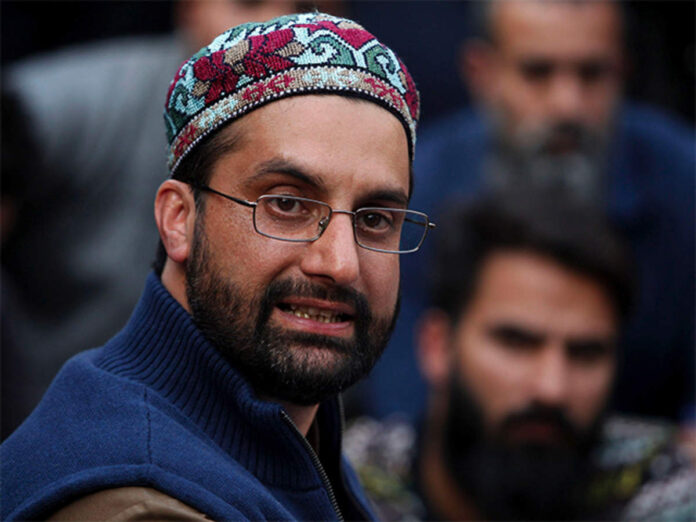
Mirwaiz Umar Farooq, Kashmir’s chief cleric, on Friday said he was prevented for the third consecutive week from leading Friday prayers at Srinagar’s historic Jama Masjid, alleging that he was placed under house detention by authorities.
According to the Mirwaiz, police vehicles and personnel were stationed outside his residence, restricting his movement and preventing him from reaching the mosque.
What the Mirwaiz Has Claimed
In a statement, Mirwaiz Umar Farooq said that he was again denied permission to deliver the Friday sermon on January 9.
He said the restrictions also prevented him from leading special collective prayers that he had called for, seeking rain and snowfall amid Kashmir’s unusually dry winter. Such prayers, commonly held during prolonged dry spells, carry religious and cultural significance in the Valley.
The Mirwaiz described the continued curbs as distressing for the faithful, many of whom traditionally attend Friday prayers under his leadership at Jama Masjid.
Religious and Institutional Context
Jama Masjid, located in Srinagar’s old city, is one of Kashmir’s most prominent religious institutions. The Mirwaiz of Kashmir has historically served as its chief preacher, a role that carries both religious authority and public influence.
Restrictions on the Mirwaiz’s movement or access to Jama Masjid have, in the past, often drawn attention due to the mosque’s symbolic importance and the centrality of Friday congregational prayers in Muslim religious life.
Recent Political Context
The latest restrictions come shortly after Mirwaiz Umar Farooq said he had removed the “Hurriyat chairman” designation from his social media profile, alleging that he was pressured by authorities to do so.
While Mirwaiz has described this as part of a broader pattern of curbs, officials have not publicly linked the two developments.
Official Response
As of Friday evening, the Jammu and Kashmir Police had not issued a formal statement explaining the reasons for the continued restrictions on the Mirwaiz’s movement or his inability to access Jama Masjid.
In similar past instances, authorities have generally cited security considerations, though no such justification has been officially communicated in this case.
Implications and Public Debate
The repeated denial of access to Jama Masjid has renewed debate around:
-
Freedom of worship and religious expression
-
Use of preventive restrictions on religious leaders
-
The balance between security measures and civil liberties in Kashmir
Supporters of the Mirwaiz argue that preventing him from leading prayers undermines religious rights, while others note that authorities often invoke security assessments in sensitive periods.
At a Glance
| Aspect | Details |
|---|---|
| Event | Denied Friday prayers at Jama Masjid |
| Date | January 9, 2026 (third consecutive week) |
| Claim | House detention, police presence outside residence |
| Religious Impact | Unable to lead prayers for rain and snowfall |
| Political Context | Removal of “Hurriyat chairman” title |
| Official Response | No statement from J&K Police |
Why This Matters
The episode highlights the continuing intersection of religion, security, and politics in Jammu and Kashmir. Restrictions on the Mirwaiz are closely watched both locally and nationally, as they raise broader questions about religious leadership, civil liberties, and the scope of preventive governance in the region.