Mehbooba Mufti Condemns Vandalism of Baba Bulleh Shah Shrine in Uttarakhand, Calls It Attack on India’s Pluralism
By: Javid Amin | 27 January 2026
PDP Chief Accuses BJP Leaders of “Deliberate Hypocrisy” Over Silence on Shrine Damage
Strong Political Reaction to Shrine Vandalism
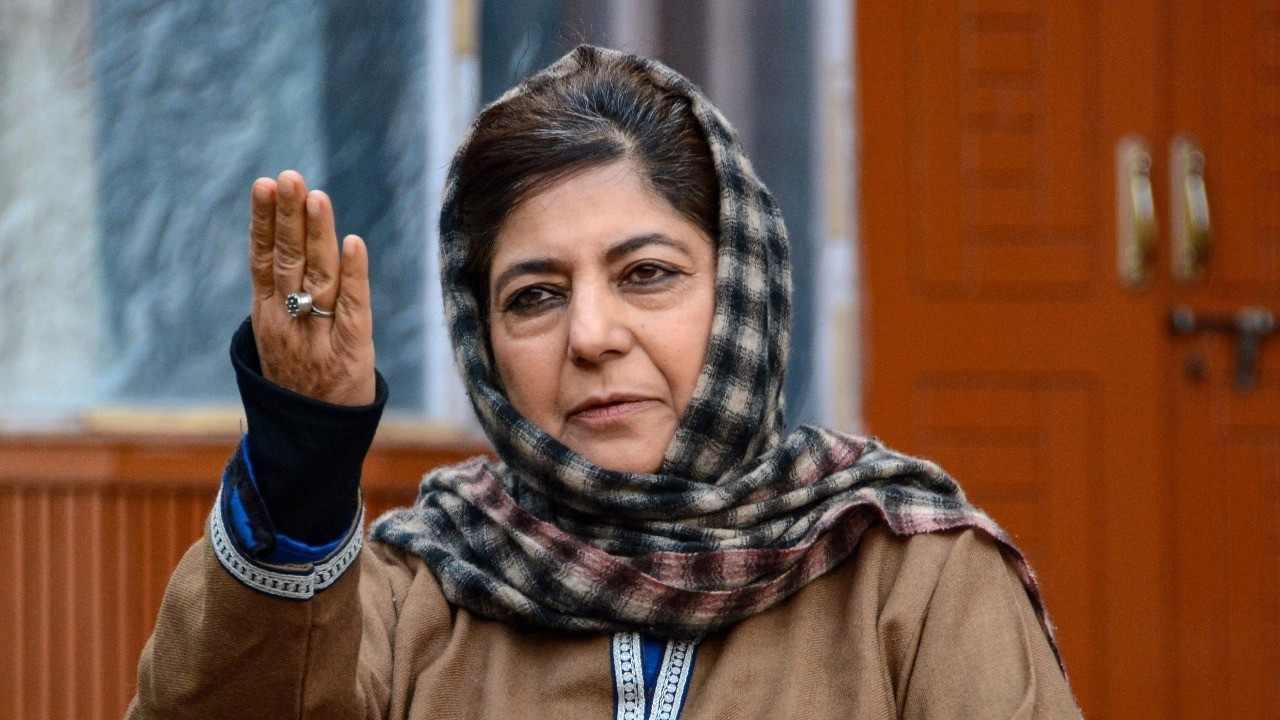
Former Jammu & Kashmir Chief Minister and PDP president Mehbooba Mufti has strongly condemned the vandalism of the shrine of 18th-century Sufi poet Baba Bulleh Shah in Mussoorie, Uttarakhand, describing the incident as a deliberate attack on India’s pluralistic and syncretic traditions.
The incident, which involved alleged damage to the shrine using hammers and iron rods, has triggered widespread concern among political leaders, cultural commentators, and civil society groups over the safety of Sufi and composite cultural heritage sites.
Accused Booked, Investigation Underway
According to initial information:
-
Three individuals — Hariom, Shivayun, and Shraddha — have been booked in connection with the vandalism.
-
Police have registered FIRs and initiated legal proceedings.
-
Authorities have not yet indicated whether the incident was spontaneous or part of an organised campaign.
Law enforcement agencies have stated that further investigation is ongoing.
Mehbooba Mufti’s Sharp Critique of BJP Leadership
In a strongly worded public statement, Mehbooba Mufti accused BJP leaders of hypocrisy, alleging a stark contrast between their international cultural outreach and domestic silence on attacks against symbols of harmony.
“BJP leaders pose in mosques abroad and roll out red carpets for Middle Eastern sheikhs. But back home they watch with glee the shrine of Sufi poet Baba Bulleh Shah being vandalised. This hypocrisy is not accidental but deliberate.”
Mufti argued that such acts are not isolated incidents, but part of a broader pattern of normalising intolerance, particularly against traditions that represent interfaith coexistence.
‘Easier Than Answering Real Questions’
Linking the incident to socio-economic concerns, Mufti said attacks on cultural symbols often divert attention from governance failures.
She noted that:
-
Destroying shared heritage is easier than addressing poverty and unemployment
-
Youth frustration and uncertainty are being masked through cultural polarisation
-
Silence from ruling leaders emboldens fringe groups
Her remarks place the incident within a larger political and social debate over priorities, accountability, and cultural protection.
Who Was Baba Bulleh Shah — And Why the Shrine Matters
A Voice of Love and Resistance
Baba Bulleh Shah (1680–1757) was one of the most influential Punjabi Sufi poets and philosophers, known for:
-
Advocating love over dogma
-
Challenging religious orthodoxy
-
Emphasising human equality and spiritual unity
His verses remain deeply popular across religious and national boundaries, especially in India and Pakistan.
Symbol of Syncretism
Shrines dedicated to Sufi saints like Bulleh Shah are widely regarded as:
-
Spaces of interfaith prayer
-
Cultural bridges between communities
-
Living symbols of India’s plural civilisational heritage
Any attack on such sites resonates far beyond physical damage.
Wider Political and Social Implications
Cultural Harmony at Risk
Observers warn that repeated attacks on Sufi shrines:
-
Undermine India’s composite culture
-
Threaten traditions of coexistence
-
Normalize hostility toward shared spiritual spaces
Political Fallout
-
Opposition leaders are expected to intensify criticism of the BJP over perceived selective silence
-
The incident may feature prominently in debates on religious tolerance and rule of law
Legal Scrutiny
While FIRs have been filed, civil society groups stress that:
-
Swift arrests alone are insufficient
-
Accountability and deterrence are crucial
-
Protection of heritage sites must be proactive, not reactive
Silence vs Condemnation: A Pattern Under Scrutiny
The vandalism has revived long-standing concerns about:
-
Uneven political responses to religious violence
-
The shrinking space for syncretic traditions
-
The erosion of moral consensus around heritage protection
Mehbooba Mufti’s intervention has amplified these concerns at a national level.
Conclusion: More Than a Shrine, a Statement
The vandalism of the Baba Bulleh Shah shrine is not just a criminal act—it is a symbolic rupture in a tradition that has long stood for unity over division.
As political reactions sharpen and investigations continue, the incident poses a larger question for India:
Can the country protect its pluralistic soul while confronting rising cultural intolerance?
The answer, many believe, lies not only in arrests, but in unequivocal political will and collective moral clarity.