Ladakh Pins Hopes on February 4 Talks With Centre Over Long-Pending Demands
By: Javid Amin | 24 January 2026
Statehood, Sixth Schedule safeguards, and land rights dominate agenda as region awaits a decisive political moment
A Crucial Date for Ladakh’s Political Future
Ladakh is preparing for what many residents and political observers see as a make-or-break moment. Scheduled for February 4, 2026, talks between Ladakhi representatives and the Union government, particularly the Ministry of Home Affairs, have raised expectations across the region that long-pending demands will finally receive serious consideration.
More than six years after Ladakh was carved out as a Union Territory in 2019, discontent continues to simmer over the absence of legislative powers, safeguards for land and jobs, and constitutional protection for the region’s unique tribal and cultural identity. The upcoming meeting is being closely watched as a test of the Centre’s willingness to move beyond assurances and towards concrete outcomes.
Background: From UT Status to Growing Discontent
When Ladakh was separated from the erstwhile state of Jammu and Kashmir and granted Union Territory status, many locals initially welcomed the move, hoping it would bring:
-
Faster development
-
Direct engagement with the Centre
-
Improved governance
However, over time, concerns began to outweigh optimism.
Key Grievances Since 2019
-
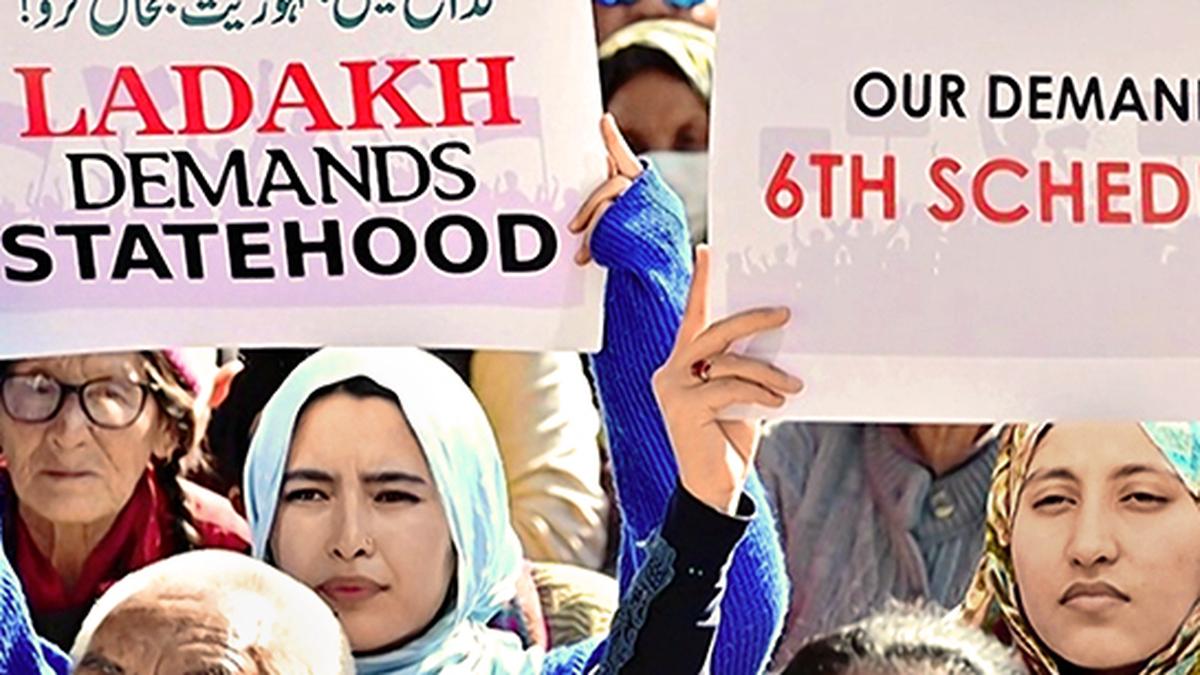
No elected legislature, limiting democratic representation
-
Uncertainty over land ownership and land use
-
Fear of demographic change due to lack of legal safeguards
-
Limited job opportunities for local youth
-
Environmental vulnerability amid increased infrastructure activity
These concerns have united political, religious, and civil society groups across Leh and Kargil, regions that otherwise differ in culture and political preferences.
Who Is Representing Ladakh at the Talks
The February 4 meeting will involve representatives from:
-
Apex Body of Leh
-
Kargil Democratic Alliance (KDA)
-
Other civil society and social organisations
This collective representation reflects rare political unity in Ladakh, strengthening the legitimacy of the demands being placed before the Centre.
Core Demands on the Table
1. Full-Fledged Statehood
One of the most prominent demands is statehood for Ladakh, which leaders argue is essential for:
-
Democratic accountability
-
Legislative authority
-
Locally tailored policymaking
Proponents say that without an elected assembly, Ladakhis remain administratively dependent and politically marginalised, despite the region’s strategic importance.
2. Inclusion Under the Sixth Schedule
Another key demand is Sixth Schedule status, which would provide constitutional protection for:
-
Tribal land and resources
-
Local customs and governance systems
-
Community-based decision-making
Given Ladakh’s predominantly tribal population, supporters argue that Sixth Schedule safeguards are not a political privilege but a constitutional necessity.
3. Job and Education Safeguards
Youth groups and civil society organisations are pushing for:
-
Reservation for locals in government jobs
-
Protection of educational opportunities for Ladakhi students
Without such safeguards, many fear that outsiders could dominate employment, leaving local youth disadvantaged in their own region.
4. Environmental Protection
Ladakh’s fragile Himalayan ecosystem is another central concern.
Leaders are seeking:
-
Stronger environmental regulations
-
Restrictions on unplanned construction
-
Community participation in development decisions
With climate change already affecting glaciers, water availability, and livelihoods, locals argue that unchecked development could cause irreversible damage.
5. Cultural and Social Autonomy
Preserving Ladakh’s Buddhist, Muslim, and tribal heritage remains a unifying demand.
Community leaders stress that cultural autonomy is vital to maintaining:
-
Linguistic traditions
-
Religious practices
-
Social harmony
They warn that erosion of cultural identity could deepen alienation and resentment.
Mood on the Ground: Hopeful but Cautious
Across Leh and Kargil, the public mood ahead of the talks is guarded optimism.
-
There is hope that the Centre will finally respond with seriousness
-
At the same time, there is skepticism rooted in years of delays and inconclusive discussions
Many residents view February 4 as a credibility test, not just for the government but for the idea of participatory governance in frontier regions.
Why These Talks Matter Beyond Ladakh
Strategic Importance
Ladakh borders China and Pakistan, making stability, trust, and local cooperation crucial for national security. Analysts note that alienation in border regions can have strategic consequences.
National Debate on Autonomy and Representation
The talks also intersect with wider national discussions on:
-
Tribal rights
-
Federalism
-
Governance in remote regions
With Ladakh seeking safeguards and Ladakhis demanding constitutional assurances, the outcome could influence how similar demands are handled elsewhere.
Centre–Region Trust Deficit
Repeated postponements or symbolic gestures without substance could deepen mistrust. Conversely, meaningful progress could:
-
Strengthen democratic confidence
-
Reduce protest politics
-
Create a model for cooperative federalism
What Success — or Failure — Could Look Like
If Talks Yield Progress
-
Roadmap for constitutional safeguards
-
Clear timelines for policy decisions
-
Enhanced trust between Ladakh and the Centre
If Talks Fall Short
-
Intensification of protests
-
Renewed calls for mass mobilisation
-
Deepening sense of political neglect
Local leaders have already indicated that continued inaction will not be accepted indefinitely.
Conclusion: A Turning Point or Another Missed Opportunity
The February 4 talks are shaping up to be one of the most consequential political engagements for Ladakh since 2019. For many residents, the meeting represents more than policy negotiation—it is about recognition, dignity, and inclusion.
Whether the Centre chooses to offer concrete assurances or reiterate long-standing positions will determine whether Ladakh moves toward greater trust and stability or slides deeper into frustration and alienation.
For now, Ladakh waits—hopeful, watchful, and acutely aware that this moment could define its political future for years to come.