Job Interview Tips: The Ultimate 6,000+ Word Career Guide for India
By: Javid Amin | January 2026
Why Job Interviews Decide Careers in India
In India’s highly competitive job market, a job interview is more than a formal conversation. It is often the deciding moment between years of preparation and a life-changing opportunity. With millions of fresh graduates entering the workforce every year and experienced professionals constantly upgrading or switching roles, interviews have become increasingly structured, data-driven, and expectation-heavy.
Whether you are a college student sitting for your first campus interview, a government job aspirant facing a personality test, or a mid-career professional preparing for an MNC role, the fundamentals remain the same: preparation, clarity, confidence, and professionalism.
This mega guide is written from a career expert and editor’s perspective, carefully localised for India. It expands five simple interview tips into a comprehensive, practical roadmap that works across industries, sectors, and experience levels.
1. Research the Company Thoroughly: The Foundation of Interview Success
Why Research Matters More Than Ever
Indian recruiters increasingly look beyond degrees and marks. They want candidates who understand the organisation, its market position, and its challenges. Walking into an interview without company knowledge is often seen as a lack of seriousness.
What You Must Research Before Any Interview
1. Company Background
- Year of establishment
- Founders and leadership
- Indian and global presence
- Parent group or subsidiaries
2. Business Model and Products
- Core products or services
- Target customers (B2B, B2C, government)
- Revenue model
3. Industry Position
- Key competitors in India
- Market reputation
- Recent achievements or setbacks
4. Recent News and Updates
- Funding rounds
- New product launches
- Mergers or acquisitions
- Expansion plans
How This Helps During the Interview
When you reference company facts naturally in your answers, interviewers immediately notice.
Example:
“I read about your recent expansion into Tier-2 cities, and I believe my experience in regional markets can add value.”
Tips for Freshers vs Experienced Candidates
- Freshers: Focus on learning mindset, adaptability, and alignment with company values
- Experienced professionals: Link your past achievements to the company’s current goals
2. Prepare Strong Answers in Advance: Turn Nervousness into Confidence
Common Interview Questions in India
Across sectors, Indian interviewers frequently ask:
- Tell me about yourself
- Why should we hire you?
- What are your strengths and weaknesses?
- Where do you see yourself in five years?
- Why do you want to join our organisation?
Structuring Answers Effectively
Use the STAR Method:
- Situation – Context
- Task – Responsibility
- Action – What you did
- Result – Outcome
Example Answer (Experienced Candidate)
“In my previous role as a sales executive, I was assigned underperforming territories. I redesigned the local outreach strategy, increased dealer engagement, and achieved a 28% growth in six months.”
Example Answer (Fresher)
“During my final-year project, I worked in a team of four. I handled research and coordination, which helped us complete the project ahead of schedule and score distinction.”
Preparing for Government Job Interviews
For UPSC, SSC, Banking, or State-level interviews:
- Focus on clarity of thought
- Awareness of current affairs
- Balanced opinions, not extreme views
- Honesty over guesswork
3. Dress Professionally and Be Punctual: First Impressions Still Matter
Dressing for Interviews in India
Corporate & MNC Interviews
- Formal shirt and trousers
- Closed shoes
- Minimal accessories
Startups
- Smart casuals
- Clean, neat appearance
Government Interviews
- Conservative formal attire
- Simple colours
- No flashy styling
Punctuality: A Silent Evaluation Metric
Arriving 10–15 minutes early reflects:
- Discipline
- Time management
- Respect for others
Late arrival, even with excuses, often creates a negative first impression.
4. Body Language and Communication: What You Say Without Words
Key Body Language Signals Interviewers Notice
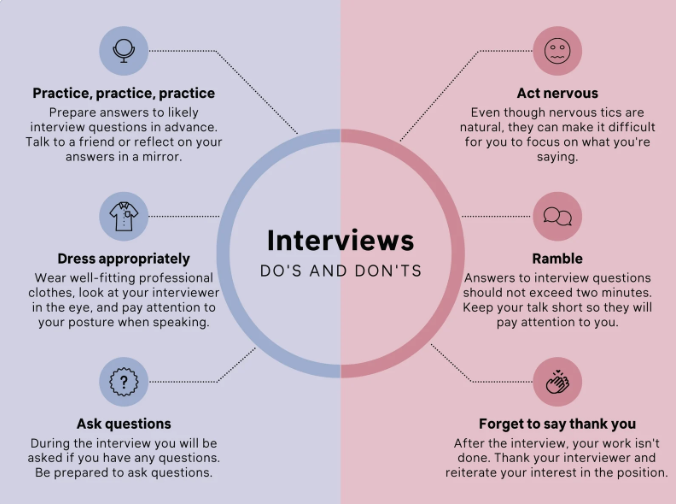
- Eye contact
- Posture
- Hand movements
- Facial expressions
Communication Tips for Indian Candidates
- Speak clearly, not fast
- Neutral accent is acceptable
- Avoid filler words
- Listen fully before answering
Virtual Interview Etiquette
With remote hiring growing in India:
- Test internet and audio beforehand
- Maintain eye-level camera position
- Choose a clean background
5. Ask Smart Questions and Follow Up Professionally
Smart Questions to Ask Interviewers
- What does success look like in this role?
- How does the team collaborate?
- What growth opportunities are available?
The Importance of Follow-Up
A polite thank-you email reinforces professionalism.
Sample:
“Thank you for the opportunity to discuss the role. I appreciate your time and insights and look forward to the next steps.”
Interview Tips by Career Stage
For Students and Freshers
- Focus on attitude and learning
- Be honest about limitations
- Highlight internships and projects
For Mid-Level Professionals
- Demonstrate impact
- Show leadership potential
- Align experience with business goals
For Senior Professionals
- Strategic thinking
- Decision-making examples
- Team and stakeholder management
Common Interview Mistakes Indian Candidates Make
- Memorised answers
- Overconfidence or underconfidence
- Criticising previous employers
- Lack of clarity on career goals
FAQ’s : Job Interview Questions and Answers
1. What are the most important job interview tips for freshers in India?
Freshers should focus on basic preparation, understanding the company, clear communication, honest answers, and a positive attitude. Recruiters in India value willingness to learn more than perfection.
2. How should I prepare for a job interview in India?
Start by researching the company, revising job-related basics, preparing common interview answers, practising mock interviews, and planning professional attire in advance.
3. What documents should I carry to an interview?
Carry multiple copies of your resume, educational certificates, experience letters (if any), ID proof, and passport-size photographs, especially for government or PSU interviews.
4. How early should I reach the interview location?
It is advisable to reach at least 10–15 minutes before the scheduled interview time. This shows punctuality and professionalism.
5. What should I wear to a job interview in India?
Formal or smart-casual attire is ideal, depending on the company culture. Government interviews usually require conservative formal clothing, while startups allow smart casuals.
6. How do I answer “Tell me about yourself” effectively?
Keep your answer structured: start with your education or experience, highlight key skills and achievements, and conclude with your career goals aligned to the role.
7. What are common mistakes candidates make in interviews?
Common mistakes include lack of preparation, memorised answers, poor body language, arriving late, and speaking negatively about previous employers.
8. How important is body language in an interview?
Body language plays a crucial role. Eye contact, posture, and calm gestures help create a positive impression and reflect confidence.
9. How can I reduce interview nervousness?
Practice mock interviews, prepare answers in advance, take deep breaths before the interview, and remind yourself that interviews are two-way conversations.
10. What questions should I ask the interviewer?
Ask about role expectations, team structure, performance metrics, and growth opportunities. Smart questions show interest and clarity.
11. Is it necessary to send a thank-you email after an interview?
Yes. A short thank-you email reflects professionalism and can leave a positive lasting impression on the interviewer.
12. How do recruiters evaluate candidates in interviews?
Recruiters assess communication skills, job knowledge, cultural fit, problem-solving ability, and attitude toward learning and teamwork.
13. How should I prepare for virtual interviews in India?
Ensure a stable internet connection, test your audio and video, choose a quiet environment, dress professionally, and maintain eye contact with the camera.
14. What if I don’t know the answer to a question?
It is better to admit honestly and explain how you would find the solution rather than guessing or giving incorrect information.
15. How important are technical skills versus soft skills?
Both are important. Technical skills qualify you for the role, while soft skills determine how well you work with teams and adapt to the organisation.
16. How do I prepare for government job interviews?
Focus on clarity of thought, current affairs, subject fundamentals, and honest responses. Avoid extreme opinions and maintain a calm, respectful tone.
17. Can interview performance be improved with practice?
Yes. Interviewing is a skill that improves with preparation, mock interviews, feedback, and real-life experience.
18. How long should my interview answers be?
Keep answers concise and relevant, usually between 30 seconds to 2 minutes, unless the interviewer asks for detailed explanations.
Conclusion: Interviews Are Skills You Can Master
Job interviews are not about perfection. They are about preparation, authenticity, and communication. With the right approach, every interview becomes a learning opportunity and a step forward in your career.
This guide is designed to serve as a long-term career reference for Indian job seekers across sectors. Practice these principles consistently, and success will follow.