JKPSC KCS Mains Row: Kashmir Bar Association Rejects Results, Alleges Regional Bias in Civil Services Recruitment
By: Javid Amin | 21 January 2026
Outrage erupts in Kashmir after JKPSC KCS Mains results reveal a stark regional skew, triggering protests, legal threats, and renewed debate over merit, transparency, and representation in Jammu & Kashmir’s recruitment system.
A Result That Reignited an Old Wound
Competitive examinations in Jammu & Kashmir are rarely just about marks and rankings. They often become mirrors reflecting deeper anxieties about power, representation, and fairness between the Union Territory’s regions.
The recently announced Jammu and Kashmir Public Service Commission (JKPSC) KCS Mains results have once again brought these anxieties to the surface — this time with unusual intensity.
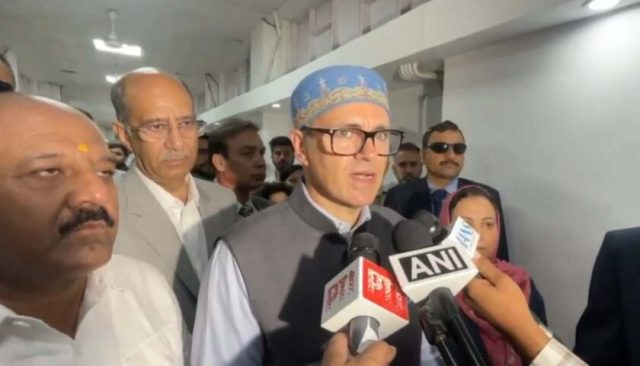
At the centre of the storm is Advocate Haamid Bhat, President of the Kashmir Bar Association, who has outrightly rejected the results, calling them “blatantly biased” and an “insult to merit”. His intervention has transformed what might have remained an aspirants’ grievance into a full-blown institutional and political controversy.
What Triggered the Controversy: The Numbers That Raised Eyebrows
The immediate spark for the uproar lies in the regional distribution of candidates shortlisted after the KCS Mains examination.
01. The Disparity at a Glance
According to figures cited by protesting candidates and political leaders:
-
Total candidates shortlisted: 124
-
From Jammu Division: 111
-
From Kashmir Valley: 13
In a Union Territory with near-equal population distribution and a long history of competitive participation from both regions, these numbers have been widely described as statistically implausible without structural bias.
02. Why the Figures Matter
For aspirants and civil society in Kashmir, the concern is not merely numerical imbalance but the implication that merit evaluation may have been compromised.
As one protesting candidate put it:
“Are we expected to believe that merit suddenly disappeared from an entire region?”
Kashmir Bar Association Steps In: An Institutional Rejection
The controversy escalated dramatically when Advocate Haamid Bhat, as President of the Kashmir Bar Association, publicly rejected the JKPSC KCS Mains results.
01. Strong Words, Strong Signal
Bhat described the outcome as:
-
“Regionally skewed”
-
“Deliberately exclusionary”
-
“A reflection of a deep-rooted malaise in recruitment institutions”
Such language from the head of a prominent legal body signals more than political rhetoric — it suggests potential legal action and institutional confrontation.
02. Why the Bar’s Intervention Matters
The Kashmir Bar Association has historically:
-
Played a key role in civil rights discourse
-
Initiated legal scrutiny of administrative actions
-
Acted as a bridge between public grievance and judicial remedy
Its rejection of the results lends legal gravitas to what might otherwise be dismissed as political protest.
Allegations of Institutional Discrimination
At the heart of Advocate Bhat’s statement is the claim that the KCS results expose systemic discrimination rather than an isolated anomaly.
01. “Deep-Rooted Malaise”
By using this phrase, Bhat implied:
-
Long-standing bias in evaluation mechanisms
-
Possible manipulation of marking standards
-
Absence of effective checks and transparency
He argued that credible Kashmiri candidates were deliberately sidelined, not outperformed.
02. Echoes of Past Controversies
This is not the first time JKPSC has faced allegations of bias or irregularities. Over the years:
-
Recruitment exams have been challenged in courts
-
Allegations of favoritism and lack of transparency have surfaced
-
Trust in the commission has periodically eroded
The KCS Mains row thus reopens unresolved questions about institutional credibility.
Aspirants on the Streets: Protests and Anger
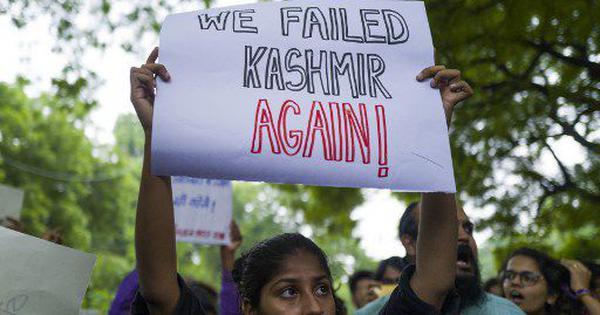
Following the results, aspirants from the Kashmir Valley staged demonstrations, voicing frustration and despair.
01. Key Grievances Raised by Candidates
Protesters cited:
-
Lack of transparency in evaluation
-
Absence of publicly disclosed marking criteria
-
No access to answer scripts or moderation process
-
Disproportionate regional outcome
Many described the process as a “black box” with no accountability.
02. Human Cost of Competitive Failure
For many aspirants:
-
KCS preparation represents years of effort
-
Families invest significant financial resources
-
Repeated setbacks deepen psychological stress
When failure is perceived as structurally biased, it erodes not just hope, but faith in the system itself.
Political Reactions: From Bar to Ballot
The controversy quickly drew political attention, adding another layer to an already sensitive issue.
01. Altaf Bukhari’s Intervention
Apni Party president Altaf Bukhari termed the outcome a:
“Stark regional imbalance that demands a fair and impartial investigation.”
His remarks reflect a growing consensus across Kashmir-based parties that recruitment fairness is becoming a political liability for the administration.
02. Silence and Signals
While some Jammu-based leaders have defended JKPSC processes in the past, the relative silence from sections of the political spectrum this time has been interpreted by critics as tacit acceptance.
Regional Fault Lines: Why Recruitment Exams Become Flashpoints
In Jammu & Kashmir, recruitment controversies rarely remain technical issues. They tap into decades of mistrust.
01. Jammu–Kashmir Divide
Historically:
-
Kashmir alleges political and administrative marginalisation
-
Jammu claims years of Kashmir-centric governance
-
Competitive exams become proxies for these rival narratives
The KCS Mains controversy fits squarely into this pattern.
02. Merit vs Representation
Supporters of the results argue:
-
Selection must be merit-based, not region-based
Critics counter:
-
Merit cannot produce such skew without bias
-
Representation matters when institutions repeatedly disadvantage one region
This tension lies at the core of the debate.
Legal Path Ahead: Possibility of Judicial Review
With the Bar Association’s rejection, legal escalation appears likely.
01. Possible Legal Demands
Potential remedies may include:
-
Judicial review of the selection process
-
Re-evaluation or moderation audit
-
Disclosure of marks and criteria
-
Independent inquiry into JKPSC functioning
02. Precedents in J&K
Courts in the past have:
-
Ordered re-examinations
-
Quashed tainted selections
-
Directed reforms in recruitment bodies
This precedent strengthens the protesters’ confidence.
JKPSC’s Credibility at Stake
Perhaps the most serious implication of the controversy is its impact on institutional trust.
01. Why Trust Matters
Public Service Commissions function on:
-
Perceived neutrality
-
Procedural transparency
-
Equal opportunity
Once aspirants believe outcomes are pre-decided, the legitimacy of the entire system collapses.
02. A Crisis Beyond One Exam
If left unaddressed:
-
Disillusionment may push youth away from public service
-
Alienation could deepen in already fragile regions
-
Recruitment bodies risk becoming symbols of bias rather than merit
Administration’s Dilemma: Ignore or Engage
For the J&K administration, the controversy presents a difficult choice.
01. Risks of Inaction
Silence or dismissal could:
-
Intensify protests
-
Invite judicial intervention
-
Deepen regional polarisation
02. Opportunity for Reform
Conversely, a transparent review could:
-
Restore some confidence
-
Signal commitment to fairness
-
Prevent long-term institutional damage
Who Got What?
| Region | Shortlisted Candidates | Share of Total |
|---|---|---|
| Jammu Division | 111 candidates | ≈ 90% |
| Kashmir Valley | 13 candidates | ≈ 10% |
| Total | 124 candidates | 100% |
Conclusion: More Than a Result, a Test of Fairness
The JKPSC KCS Mains controversy is not merely about 124 candidates. It is about:
-
Faith in institutions
-
Equality of opportunity
-
The fragile social contract between the state and its educated youth
By rejecting the results, the Kashmir Bar Association has elevated the issue from grievance to governance. Whether the administration chooses engagement or evasion will determine not just the fate of this examination, but the credibility of recruitment in Jammu & Kashmir itself.
As regional divides sharpen, one truth becomes inescapable:
Merit must not only be done — it must be seen to be done.