Resolution Seeks Review of NMC Decision on Mata Vaishno Devi Medical College
By: Javid Amin | 17 January 2025
Private Member’s resolution in J&K Assembly urges Centre, National Medical Commission to reconsider revocation of MBBS permission amid student anxiety and political controversy
Assembly Steps In as Medical College Faces Uncertainty
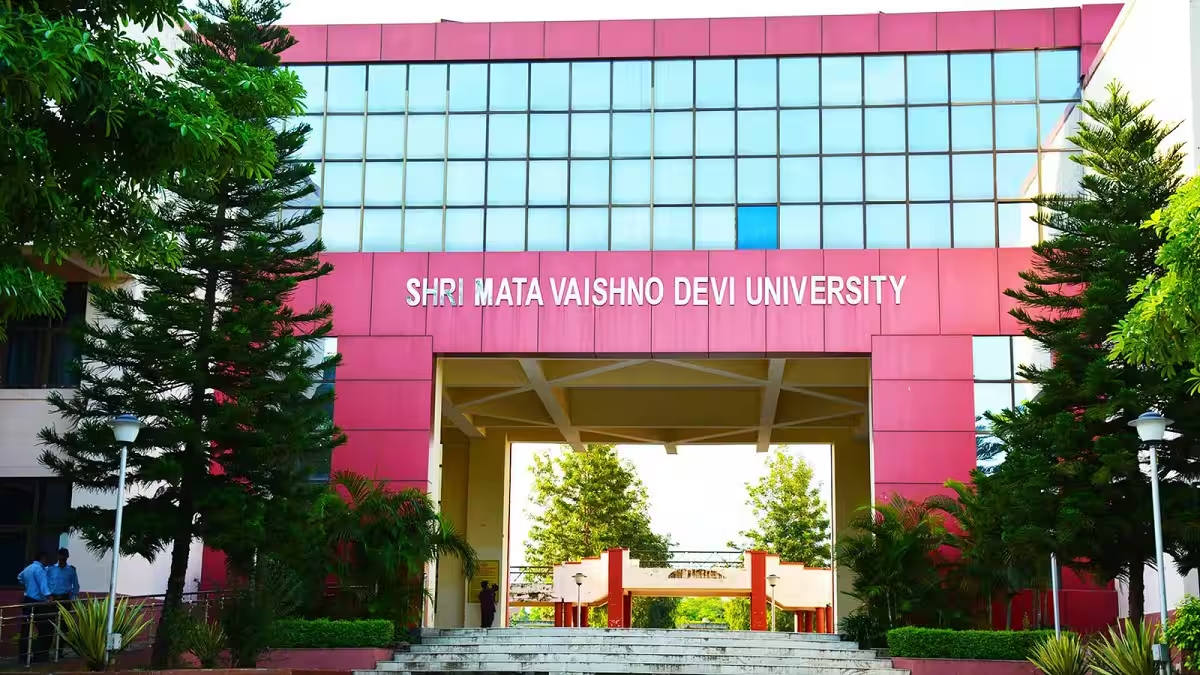
The controversy surrounding the Shri Mata Vaishno Devi Institute of Medical Excellence (SMVDIME) has formally entered the legislative domain, with a Private Member’s resolution being submitted in the Jammu & Kashmir Assembly seeking a review of the National Medical Commission’s (NMC) decision to revoke permission for its MBBS programme.
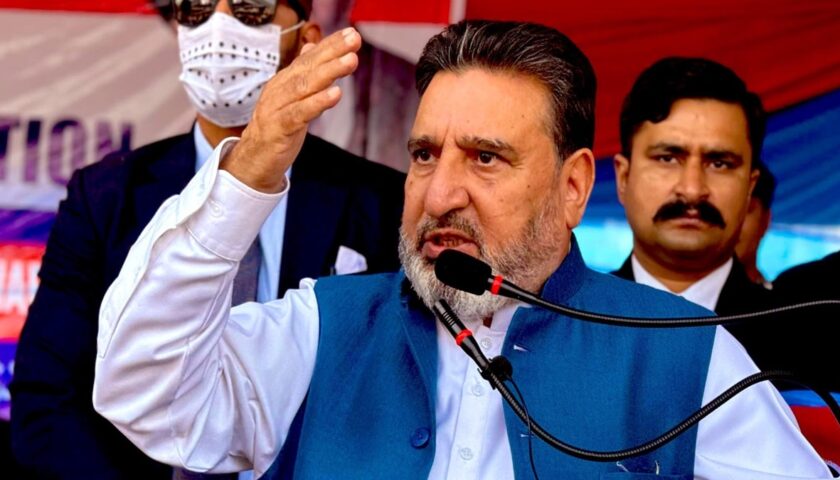
Moved by National Conference MLA Tanvir Sadiq, the resolution urges the Central government and the NMC to reconsider what legislators describe as an abrupt decision that has put students’ futures at risk and cast a shadow over a publicly funded medical institution envisioned as a pillar of healthcare in the region.
The development signals a shift from street-level protests and political statements to formal legislative intervention, elevating the issue into a matter of policy, governance, and federal oversight.
What Triggered the Resolution
Revocation of MBBS Permission
The immediate trigger was the NMC’s decision to withdraw the Letter of Permission (LoP) for the MBBS course at SMVDIME.
According to the regulator, inspections revealed:
-
Shortfall in faculty strength
-
Inadequate clinical material
-
Deficiencies in infrastructure and facilities
Based on these findings, the NMC concluded that the college did not meet the minimum standards required to continue admissions to the MBBS programme.
Legislators Push Back
The resolution argues that while regulatory compliance is essential, the manner and timing of the withdrawal:
-
Jeopardises enrolled and prospective students
-
Undermines years of public investment
-
Risks leaving a major medical facility underutilised
Tanvir Sadiq contends that corrective measures and phased compliance should have been prioritised over outright revocation.
What the Resolution Demands
Review, Not Rejection of Standards
Importantly, the resolution does not challenge the authority of the NMC outright. Instead, it seeks:
-
A review of the decision
-
Consideration of mitigating circumstances
-
An opportunity for the institution to address deficiencies
The emphasis is on balancing regulatory rigour with regional and public interest considerations.
Safeguarding Students
A central argument in the resolution is the academic uncertainty faced by students, including:
-
Loss of MBBS seats
-
Disrupted academic planning
-
Anxiety among aspirants and families
Legislators warn that students should not become collateral damage in regulatory enforcement.
SMVDIME: A Publicly Funded Institution Under Scrutiny
Vision Behind the College
SMVDIME was established with:
-
Significant public funding
-
The goal of strengthening healthcare infrastructure in Jammu
-
The aim of producing locally trained medical professionals
It was projected as a strategic investment to reduce doctor shortages and improve tertiary care in the region.
Risk of Wasted Investment
The resolution notes that revoking MBBS permission:
-
Leaves infrastructure underused
-
Undermines taxpayer-funded projects
-
Sends discouraging signals about institutional stability
Legislators argue that such outcomes weaken public confidence in long-term planning.
Context: Protests, Politics, and Polarisation
Street Protests in Jammu
The NMC decision triggered:
-
Student protests
-
Demonstrations with placards demanding restoration of MBBS courses
-
Appeals to political leaders for intervention
Students have warned that their career trajectories are at stake, especially those who had secured admissions through competitive processes.
Political Undercurrents
The issue unfolded amid:
-
Protests by right-wing groups objecting to the composition of admitted students
-
Claims of bias and counter-claims of politicisation
-
A wider debate on inclusivity in educational institutions
While the NMC has cited technical deficiencies, the political climate has complicated public perception of the decision.
Medical Education and Regulation: A Broader Debate
Role of the National Medical Commission
The NMC, as India’s apex medical regulator, is mandated to:
-
Enforce minimum standards
-
Ensure quality medical education
-
Protect patient safety
Supporters of the decision argue that compromising standards would harm the healthcare system in the long run.
Legislative Concerns
However, lawmakers argue that:
-
Regulatory actions must account for regional realities
-
Transitional arrangements are necessary in newer institutions
-
Abrupt withdrawals can destabilise fragile healthcare ecosystems
The resolution reflects this tension between uniform national standards and local developmental needs.
Implications for Jammu & Kashmir
Healthcare Impact
If MBBS admissions remain suspended:
-
Fewer doctors will be trained locally
-
Existing shortages could worsen
-
Long-term healthcare capacity may suffer
This is particularly significant in a region with difficult terrain and access challenges.
Political and Institutional Trust
The controversy also raises questions about:
-
Coordination between Centre, regulator, and UT administration
-
Predictability of policy decisions
-
Accountability in publicly funded projects
Legislators warn that unresolved disputes could erode trust in governance.
Stakeholder Impact at a Glance
| Stakeholder | Impact of NMC Decision | Resolution’s Objective |
|---|---|---|
| Students | Academic uncertainty, seat loss | Restore permission |
| Healthcare system | Reduced future doctor supply | Ensure continuity |
| Public investment | Infrastructure underuse | Protect taxpayer funds |
| Political climate | Heightened regional debate | Seek reconsideration |
What Happens Next
The resolution is expected to:
-
Be discussed during Assembly proceedings
-
Add pressure on the UT administration to engage with the Centre
-
Feature prominently in debates on education and healthcare policy
While the resolution itself is not binding, it represents formal legislative sentiment, which could influence subsequent negotiations with the NMC.
Conclusion: Between Regulation and Responsibility
The resolution seeking a review of the NMC’s decision on Mata Vaishno Devi Medical College underscores a fundamental policy dilemma: how to enforce standards without destabilising institutions meant to serve public interest.
As the debate moves from protests to the Assembly floor, the focus is likely to remain on:
-
Student welfare
-
Responsible regulation
-
Protection of public investment
Whether the Centre and the NMC respond with flexibility or reaffirm strict compliance will shape not only the future of SMVDIME, but also the broader trajectory of medical education governance in Jammu and Kashmir.