Cold Wave Grips Kashmir, Shopian Shivers at –8.2°C as Winter Deepens
By: Javid Amin | 11 January 2026
Kashmir Slips Deeper Into Winter’s Grip
Kashmir is firmly in the grip of deep winter, with a severe cold wave tightening across the Valley during Chillai Kalan, the harshest 40-day phase of winter. Night temperatures have plunged well below freezing in most districts, skies remain largely cloudy, and meteorologists say snow and rain are likely to build up later this month.
South Kashmir’s Shopian district recorded the lowest temperature at –8.2°C, making it the coldest place in the Valley and underscoring the intensity of the ongoing cold spell.
Coldest Night in Shopian, Valley-Wide Sub-Zero Conditions
The cold wave has spread uniformly across Kashmir, with several regions recording deep sub-zero minimums:
-
Shopian: –8.2°C (coldest in the Valley)
-
Pulwama: –8.0°C
-
Pahalgam: –7.8°C
-
Sopore: –7.6°C
-
Gulmarg: –6.8°C
-
Qazigund: –6.3°C
-
Kupwara: –6.1°C
-
Srinagar city: –5.7°C
-
Srinagar Airport: –7.2°C, colder than the city centre
Meteorologists say the sharp contrast between airport and city readings is typical during dry winter spells, when cold air settles in open, low-lying areas.
Why the Cold Feels Sharper This Winter
Despite largely cloudy skies, clear night-time intervals and low humidity have intensified radiational cooling. The absence of widespread snowfall in the plains has further worsened the chill, as snow normally acts as a natural insulating layer.
Current Weather Indicators
-
Temperature: Around 7°C during the day, but feels colder due to wind chill
-
Air Quality Index: 138 (moderate concern)
-
Humidity: 39%, with a dew point of –6°C
-
Visibility: Reduced to about 4 km in misty conditions
These factors together are contributing to bitter nights and icy mornings across the Valley.
Frozen Water Bodies and Daily Hardship
The sustained cold has begun to affect daily life in both urban and rural areas.
On-Ground Impact
-
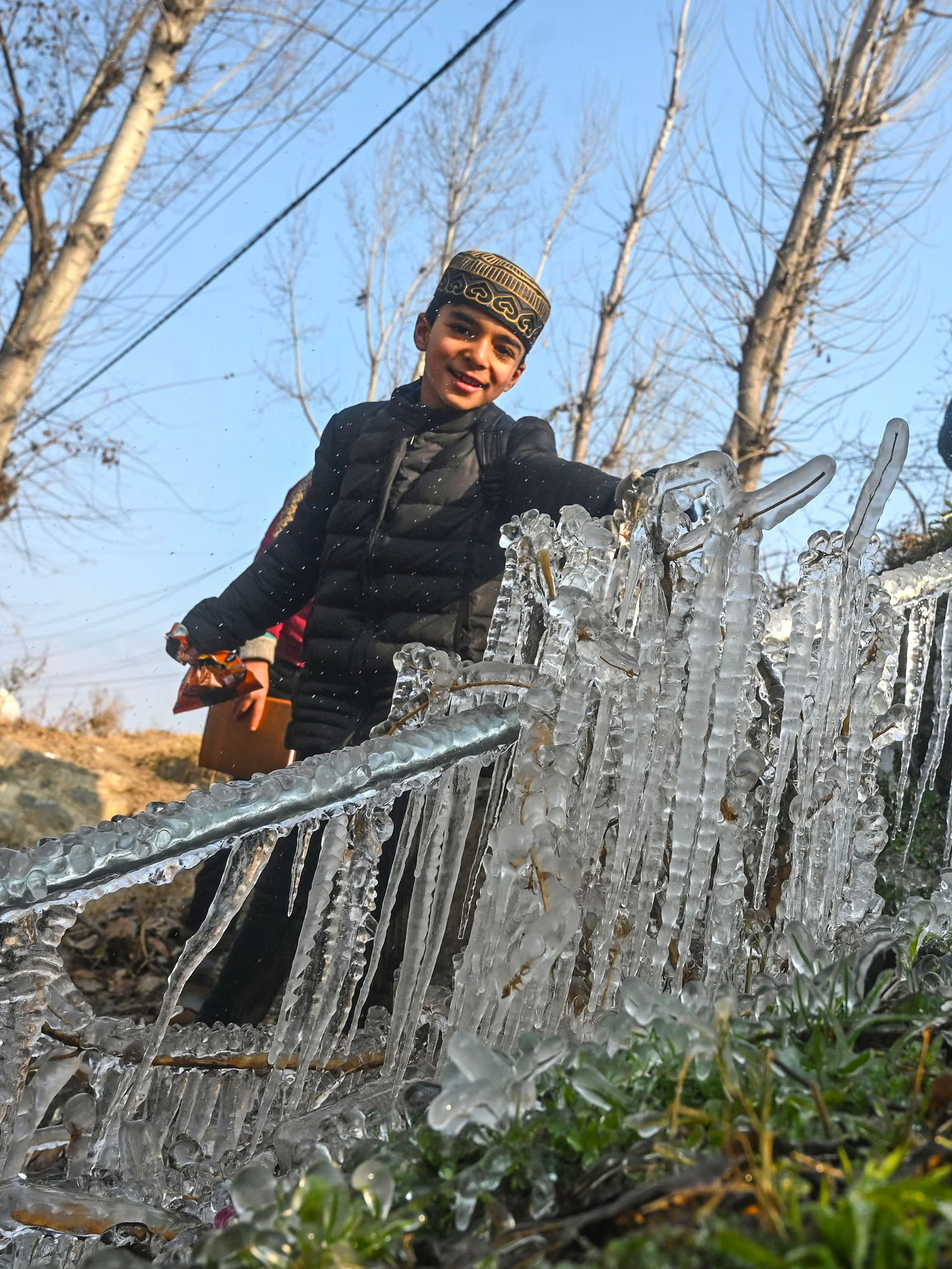
Dal Lake and streams have started freezing at the edges
-
Water supply lines and taps frozen in many localities
-
Icy roads making early morning travel hazardous
-
Power demand surging as households rely heavily on heating
Residents say surviving Chillai Kalan has become increasingly challenging amid prolonged cold and power fluctuations.
Tourism Thrives Even as Locals Struggle
While the cold wave poses hardships for residents, it has brought a seasonal boost to winter tourism.
-
Gulmarg’s ski slopes are drawing domestic and international tourists
-
Pahalgam and Sonamarg are witnessing steady footfall amid snowbound landscapes
-
Hotels and tour operators report healthy winter bookings
The contrast highlights Kashmir’s winter paradox — harsh survival for locals, seasonal opportunity for tourism livelihoods.
Upcoming Weather: Snow and Rain on the Horizon
According to forecasts, Kashmir’s weather is expected to evolve over the coming days:
Weather Outlook
-
January 12–15: Mostly cloudy to sunny, daytime highs around 10–12°C, nights near 0–3°C
-
January 16–20: Clear skies with colder nights, temperatures dipping to –1°C
-
January 21–22: Rain and snow likely, with precipitation chances rising to 64–73%
-
Higher reaches: Snow accumulation expected in Gulmarg, Sonamarg, and Pahalgam
Meteorologists caution that fresh snowfall could temporarily disrupt travel but may provide relief by insulating the ground and easing night-time cold.
Seasonal Context: Chillai Kalan at Its Peak
Chillai Kalan, running from December 21 to January 30, is traditionally the coldest phase of winter in Kashmir. This period is marked by:
-
Freezing nights
-
Frozen water bodies
-
Heavy reliance on heating
-
Heightened health risks
This year, experts say erratic snowfall patterns and sharper cold waves reflect broader climate variability affecting the region.
Why It Matters
| Factor | Impact |
|---|---|
| Tourism | Boosts winter sports and hospitality |
| Daily Life | Frozen water, power stress, transport disruption |
| Agriculture | Snow acts as natural irrigation for spring |
| Climate Signals | Unusual winter patterns raise long-term concerns |
Conclusion: Beauty and Brutality of a Kashmiri Winter
As Kashmir slips deeper into winter, Shopian’s –8.2°C reading stands as a stark marker of the cold’s intensity. While tourists revel in snow-covered slopes and postcard-perfect scenery, residents brace for frozen water supplies, icy roads, and power shortages.
This is Chillai Kalan in its rawest form — serene, severe, and uncompromising, where winter offers both livelihood and hardship in equal measure.