Chillai Kalan 2026: Dry Spell Raises Concerns as Kashmir Sees No Major Snowfall With 21 Days Left
By: Javid Amin | 08 January 2026
Chillai Kalan Tightens Grip, but Snow Remains Elusive
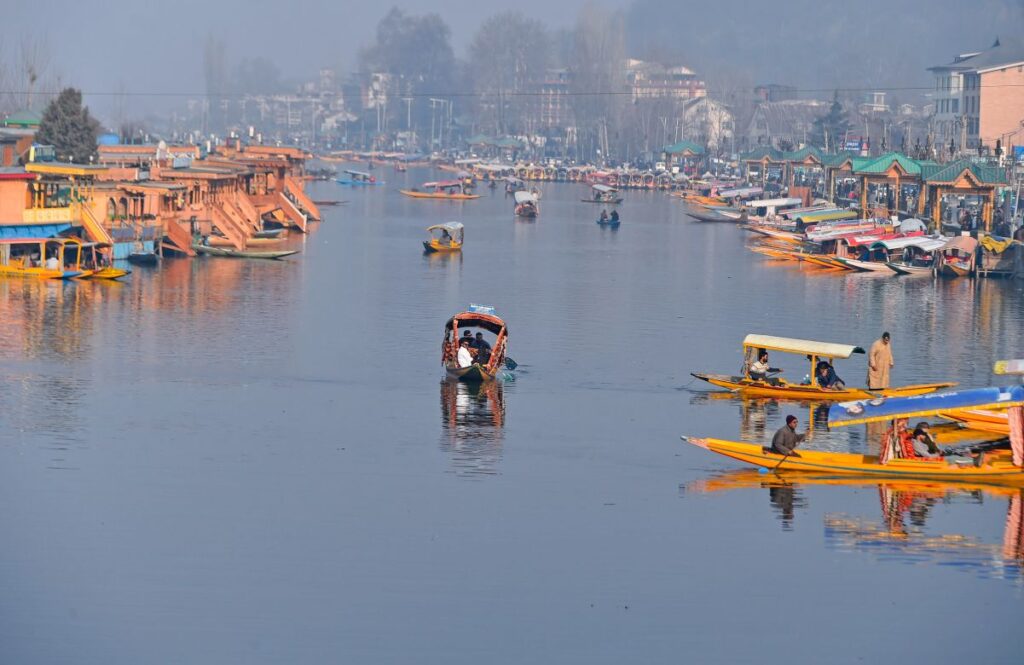
Kashmir is deep into Chillai Kalan, the harshest 40-day winter stretch, yet an unusual feature defines this year’s cold spell — intense freezing without widespread snowfall in the plains.
With 21 days still remaining before Chillai Kalan ends on January 30, 2026, the Valley has crossed the halfway mark under a persistent dry spell. While higher reaches have received light to moderate snowfall over the past week, plains including Srinagar remain largely snowless, raising growing concerns over water security, agriculture, tourism, and long-term climate trends.
Meteorologists note that clear skies have paradoxically intensified the cold, pushing night temperatures sharply below freezing across the Valley.
What Is Chillai Kalan — and Why It Matters
Chillai Kalan, which begins on December 21, marks the most severe phase of Kashmir’s winter. Traditionally, this period is characterised by:
-
Heavy snowfall, particularly in January
-
Frozen lakes and water bodies
-
Prolonged sub-zero nights
-
Strong icy winds
Historically, snowfall during Chillai Kalan plays a critical ecological role, replenishing glaciers, sustaining river systems, recharging groundwater, and ensuring adequate moisture for agriculture in spring and summer.
This winter, however, the absence of significant snowfall in the plains is altering that balance.
Dry Skies, Sharper Cold
Weather officials explain that the lack of cloud cover has contributed to colder nights. Without insulating clouds, heat escapes rapidly after sunset, resulting in radiation cooling — a phenomenon that causes temperatures to plunge even in the absence of snowfall.
This has led to some of the coldest nights of the season so far, despite the dry weather.
Temperature Snapshot: Kashmir Under Deep Freeze
Across the Valley, temperatures have consistently remained below freezing:
| Region | Recent Minimum Temperature | Condition |
|---|---|---|
| Srinagar | –5.1°C | Coldest night of season |
| Sonamarg | –9.8°C | Coldest in Valley |
| Gulmarg | –9.2°C | Severe cold, thin snow |
| Pahalgam | –8.6°C | Freezing nights |
| Kupwara | –3.6°C | Sub-zero, dry spell |
Sonamarg recorded the lowest temperature in the Valley, while Srinagar experienced its coldest night of the winter so far, freezing water pipes in several residential areas.
Snowfall Confined to Higher Reaches
Over the past week, upper reaches such as Gulmarg, Sonamarg, and parts of the Pir Panjal range received light to moderate snowfall. While this has improved conditions for winter tourism in select areas, the snow cover remains thin and uneven.
In contrast, the plains have seen no major snowfall or rainfall since Chillai Kalan began, a departure from historical winter patterns.
Environmental observers warn that snowfall restricted to higher altitudes alone may not be sufficient to sustain downstream water systems.
Water Security: A Growing Worry
The dry spell has raised alarms among hydrologists and agricultural experts, who caution that snowfall during Chillai Kalan directly determines spring water availability.
Potential consequences include:
-
Reduced river flow during summer
-
Shrinking springs that supply drinking water
-
Stress on irrigation systems
-
Increased dependence on groundwater
Water shortages often appear months after winter, making snow deficits a delayed but serious risk.
Agriculture on Edge
Farmers across the Valley are watching the skies anxiously. Winter snow acts as:
-
A natural soil insulator
-
A moisture reservoir
-
A pest control mechanism
Without adequate snow:
-
Soil moisture declines
-
Spring crops face water stress
-
Orchards experience irregular flowering
Apple, almond, walnut, and cherry orchards — central to Kashmir’s rural economy — are particularly vulnerable to snow-deficit winters.
Tourism: Snow Brings Hope, Dry Spell Raises Doubts
Winter tourism remains a mixed picture this season.
Positive Signs
-
Gulmarg continues to attract visitors due to snowfall in higher reaches
-
Skiing activities have resumed on limited slopes
Concerns
-
Thin snow cover may shorten the skiing season
-
Pahalgam and other destinations depend on consistent snowfall
-
Uncertainty affects bookings and livelihoods
Tourism stakeholders note that snow reliability is now as important as snowfall itself.
Health Risks Intensify During Dry Cold Waves
Medical professionals warn that cold waves without snow cover can be more dangerous due to:
-
Increased frostbite risk
-
Higher respiratory infections
-
Cardiovascular stress among elderly populations
Frozen roads and footpaths also raise the risk of accidents, particularly during early mornings.
Weather Outlook: Will Snow Arrive in Time?
Meteorological forecasts indicate:
-
Stable, dry weather until around January 22
-
Possibility of light snowfall in higher reaches thereafter
-
No strong system currently expected to bring widespread snow to plains
If this pattern persists, Chillai Kalan 2026 may be among the driest in recent memory, echoing dry winters observed earlier in the decade.
A Look Back: How This Winter Compares
-
2016–17: Heavy snowfall early January, strong water reserves
-
2018–19: Moderate but consistent precipitation
-
2020–21: One of the driest Chillai Kalans
-
2024–25: Intense snowstorms replenished water but disrupted travel
-
2025–26: Dry plains, freezing nights, thin snow cover
The contrast highlights increasing variability and unpredictability in Kashmir’s winter climate.
Tradition Meets Climate Uncertainty
Even as climate patterns shift, Kashmiris continue to rely on centuries-old traditions to survive Chillai Kalan:
-
Kangri firepots tucked under pherans
-
Noon chai to keep warm and hydrated
-
Harissa mornings for nourishment
-
Families gathering around bukharis for warmth and bonding
These cultural practices offer resilience — but cannot replace the ecological role of snow.
Editorial Takeaway: A Winter of Warning Signs
Chillai Kalan 2026 presents a stark paradox — intense cold without snow. While frozen nights dominate daily life, the real consequences may surface months later, when rivers run low and fields thirst for water.
With 21 days still left, snowfall could yet change the narrative. But if it does not, this winter may stand as another reminder that Kashmir’s climate is changing — quietly, steadily, and with lasting consequences.