Vaishno Devi Pilgrimage Sees 27% Drop in 2025 Amid Security, Weather Concerns
By: Javid Amin | 29 December 2025
A Rare Dip at One of India’s Holiest Shrines
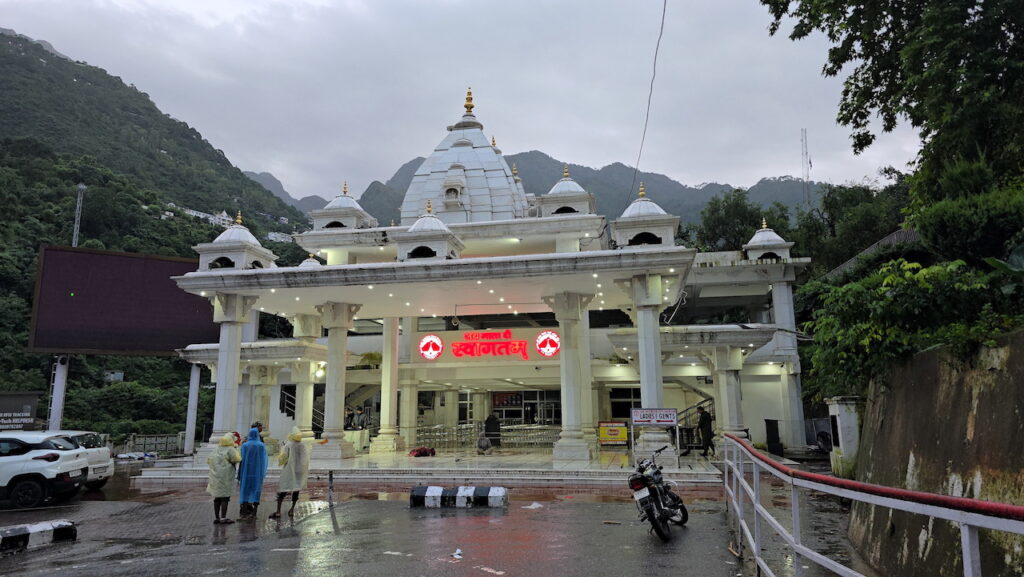
The Mata Vaishno Devi shrine, perched atop the Trikuta hills in Jammu & Kashmir’s Reasi district, has long been regarded as one of India’s most resilient pilgrimage destinations. Even during turbulent political phases, the shrine historically attracted millions of devotees annually.
However, 2025 marked a significant departure from this trend.
Official figures show that pilgrim footfall dropped below 70 lakh, compared to nearly 95 lakh visitors in 2024, registering a steep decline of over 27%. This downturn has raised concerns among administrators, economists, local communities, and tourism stakeholders alike.
The Numbers That Tell the Story
Pilgrim Footfall Comparison
| Year | Pilgrim Footfall | Change | Key Factors |
|---|---|---|---|
| 2024 | 94.84 lakh | Baseline | Stable season |
| 2025 | 68.85 lakh (till Dec 28) | –27.4% | Security issues, weather disruptions |
With only around 70,000 additional pilgrims expected by year-end, the final tally is unlikely to bridge the gap.
For a shrine that often serves as a barometer of confidence in Jammu & Kashmir, the decline is being closely analysed.
Security Concerns: The Primary Psychological Barrier
While no major attack occurred directly on the pilgrimage route, regional security incidents elsewhere in Jammu & Kashmir had a cascading effect on perception.
Why Security Perception Matters
-
Pilgrimage decisions are often made by elderly devotees and families
-
Even distant incidents create fear through media amplification
-
Safety perception outweighs logistical convenience
Ground reports indicate that many devotees postponed or cancelled travel plans, especially during peak months, citing uncertainty rather than immediate danger.
Security experts note that religious tourism is highly sensitive to perception, and even sporadic disturbances can lead to disproportionate declines.
Weather Disruptions: Nature’s Unrelenting Challenge
Alongside security concerns, prolonged weather disruptions played a decisive role.
Key Weather-Related Issues
-
Heavy rainfall triggering landslides
-
Temporary suspension of yatra movement
-
Damage to access roads and facilities
-
Prolonged periods of unsafe trekking conditions
Unlike short-term disruptions, extended weather instability eroded confidence, particularly among pilgrims travelling from distant states who plan journeys months in advance.
Impact on Religious Tourism Economy
The Vaishno Devi pilgrimage is not just a spiritual journey — it is a major economic engine for Jammu & Kashmir.
Who Was Affected?
-
Pony handlers and porters
-
Hotel owners and guest houses
-
Shopkeepers and food vendors
-
Transport operators
-
Local labourers and service staff
For many families in Reasi, Katra, and adjoining areas, pilgrimage traffic forms the primary annual income.
Local trader associations report:
-
Reduced bookings during peak seasons
-
Lower daily turnover
-
Increased debt among small vendors
Community Voices: Quiet Distress on the Ground
While official statements remain cautious, local communities speak openly.
A hotel operator in Katra noted:
“This year felt different. Rooms stayed empty even during what used to be guaranteed rush days.”
Pony operators echoed similar concerns, pointing out that:
-
Many pilgrims opted for shorter stays
-
Others delayed visits indefinitely
The economic distress is subtle but widespread, affecting thousands indirectly linked to pilgrimage activity.
Why This Decline Matters Beyond Numbers
1. Symbolic Importance
Vaishno Devi has historically symbolised stability and faith transcending politics. A sharp decline challenges that narrative.
2. Tourism Confidence
Religious tourism often leads broader tourism recovery. A fall here signals wider confidence issues.
3. Employment Impact
Seasonal employment linked to pilgrimage sustains rural livelihoods.
4. Revenue Loss
Lower pilgrim numbers affect shrine revenues used for infrastructure, welfare, and maintenance.
Also Read | Habibi, Come to Kashmir – Ultimate 2025-26 Guide to Kashmir Tour Packages, Honeymoon, Family & Budget Trips
Administrative Response: Focus on Restoration
Authorities have acknowledged the decline and are reportedly focusing on:
-
Strengthening security visibility
-
Improving weather-resilient infrastructure
-
Enhancing disaster response systems
-
Public reassurance campaigns
Officials emphasise that no compromise on pilgrim safety will be made and that confidence restoration is a priority.
Comparative Perspective: Not an Isolated Phenomenon
Experts note that religious tourism across several regions has become more sensitive post-pandemic, with travellers increasingly risk-averse.
Factors influencing pilgrim behaviour today:
-
Safety perception
-
Climate unpredictability
-
Rising travel costs
-
Health considerations
Vaishno Devi’s decline must therefore be seen within a broader national and global shift, though its magnitude remains unusually high.
What Needs to Change Going Forward
Short-Term Measures
-
Real-time weather and safety updates
-
Stronger communication with pilgrims
-
Rapid response to misinformation
Long-Term Solutions
-
Climate-resilient infrastructure
-
Diversified tourism beyond pilgrimage
-
Community income protection mechanisms
Experts stress that restoring confidence is as important as restoring infrastructure.
Also Read | Kashmir More Easy & More Affordable | Delhi–Kashmir–Delhi Rail Tour Packages 2026
Conclusion: A Wake-Up Call for Pilgrimage Management
The 27% drop in Vaishno Devi pilgrims in 2025 is more than a statistical anomaly. It is a wake-up call highlighting how security perception, climate vulnerability, and economic dependence intersect in Jammu & Kashmir.
For a shrine that has endured decades of uncertainty, the challenge now is not faith — but confidence.
How effectively authorities respond will determine whether this decline remains a one-year disruption or signals a deeper structural challenge for religious tourism in the region.