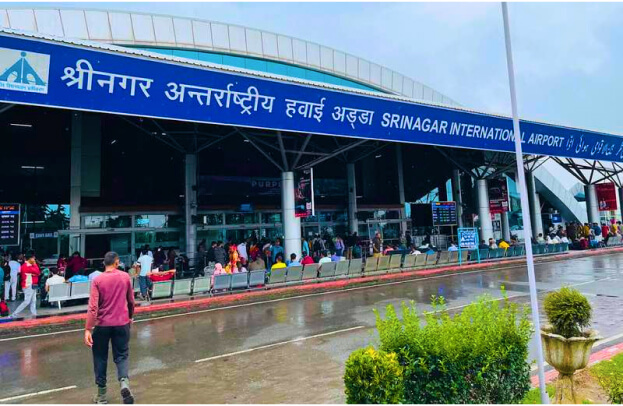
Srinagar Airport Flight Disruptions: 4 Flights Cancelled, 38 Delayed Amid Heavy Fog & Winter Weather | Latest 2025 Update
By: Javid Amin | 15 December 2025
Winter Weather Paralyses Air Traffic at Srinagar International Airport
On Monday, December 15, 2025, Srinagar International Airport experienced significant operational disruptions as persistent fog and poor visibility — hallmark conditions of the winter season in the Kashmir Valley — forced the cancellation of four flights and delayed 38 more, affecting both arrivals and departures for domestic travellers.
Airport officials reported that heavy fog reduced visibility to levels unsafe for take-offs and landings, prompting flight cancellations, while the majority of inbound and outbound services were delayed as aircraft awaited clearer conditions.
The Airports Authority of India (AAI) emphasised that safety remains the top priority amid such weather disruptions, even as frustration mounted among passengers over extended waits and schedule uncertainty.
Key Flight Disruptions: Breakdown of Cancellations & Delays
| Category | Total | Cause |
|---|---|---|
| Flights Cancelled | 4 | Poor visibility & operational safety limits |
| Flights Delayed | 38 | Weather conditions & scheduling backlog |
| Major Carrier Impacted | IndiGo & Others | Scheduled services disrupted |
According to official statements, four flights were cancelled due to unsafe conditions on the runway, while an additional 38 flights experienced delays of varying lengths. Many aircraft were held on the tarmac or in holding patterns as real-time meteorological conditions fluctuated throughout the day.
Weather Conditions: Fog and Winter Chill Grind Operations
Meteorological conditions in the valley this week included dense fog layers and low cloud ceilings typical of the December climate in the Himalayas. Such low visibility limits airline and air traffic control decisions, often triggering Instrument Landing System (ILS) safety thresholds that restrict operations below specific visual ranges.
This trend aligns with ongoing weather advisories issued nationwide due to a cold wave and widespread fog patterns, affecting not just Srinagar but other Northern Indian airports as well. The Ministry of Civil Aviation recently issued a “heavy fog alert” for northern India, urging travelers to check live flight information and prepare for possible impacts.
On the Ground: Passenger Experiences and Logistical Challenges
Stranded and Waiting
Passengers described long queues at check-in counters, extended waits at boarding gates, and confusion over rescheduling options.
One passenger waiting at the terminal said that the uncertainty around flight timings and accommodation presented a major challenge, particularly for those without flexible travel plans or with limited budgets.
Local social media posts and passenger testimonies echoed frustration expressed during past disruptions, including lodged complaints about overnight stays and a lack of clear communication from airlines and airport authorities.
Rescheduling and Service Strain
Affected passengers were advised to work directly with airline customer service desks to rebook flights, apply for refunds, or secure hotel accommodations as required. Most airlines typically offer free rescheduling or refunds when cancellations are weather-related.
However, because the cancellations occurred during a peak winter travel period — when tourism traffic to Kashmir peaks — rescheduling seats proved difficult for some travellers. Airlines worked through backlogs as flights continued to operate once visibility thresholds improved later in the day.
Operational Response: Safety First
Airport authorities confirmed that all decisions to cancel or delay flights were taken based strictly on safety criteria determined by real-time visibility readings, runway visual range (RVR) measurements, and standard aviation protocols.
The AAI reiterated that flight operations will resume normal scheduling only after conditions meet safety standards, and that all resources are being utilised to coordinate landings and departures as conditions fluctuate.
AAI spokespersons and meteorological officials continue to monitor weather patterns closely, providing frequent updates to pilots and airline operations teams. Ground crews and runway maintenance teams remain on standby to address any surface conditions that arise due to frost, light snow, or moisture accumulation.
Why This Matters: Connectivity, Tourism and Economy
Air Travel as a Lifeline
Srinagar International Airport serves as the primary gateway to the Kashmir Valley, especially during winter months when road connectivity can be unreliable due to snow closures on key highways like the Srinagar-Jammu National Highway. Previous weather events have shown how extended disruptions in air travel can isolate the region.
Tourism Impact
The Kashmir tourism economy relies heavily on predictable air connectivity, drawing winter visitors to destinations such as Gulmarg, Pahalgam and Sonamarg. Flight disruptions during peak season can reduce visitor confidence, impact hotel occupancy rates, and constrain bookings for guided tours and related services.
Business and Economic Ripple Effects
Local businesses — from taxi operators and restaurants near the airport to tour agencies and handicraft vendors — often feel the immediate economic effects when flights are delayed or cancelled. Prolonged schedule volatility also affects freight shipments and logistic networks tied to perishable goods.
Expert Perspectives: Weather Moderation and Future Resilience
Meteorological and aviation experts note that winter weather patterns — including fog and temperature inversions — are recurring seasonal phenomena in the Himalayan region, particularly around December through January.
They recommend:
-
Improved forecasting and real-time METAR/TAF dissemination for pilots and airlines.
-
Enhanced ground services to support passengers during extended delays.
-
Strategic planning for seasonal travel surges to manage capacity and minimize economic strain.
These steps can help build resilience amidst unavoidable meteorological challenges.
Travel Advisory: What Passengers Should Know
For travellers planning travel through Srinagar International Airport in the coming days:
Check Flight Status Frequently: Always verify your flight status via the airline’s official app or website before departing for the airport.
Allow Extra Time: Plan to arrive at the airport well before scheduled departure times due to possible processing and communication delays.
Prepare for Weather Variability: Winter weather can shift rapidly; be prepared for last-minute changes and have backup plans in place for accommodation and ground transportation.
Monitor Weather Alerts: Stay updated with official forecasts from the India Meteorological Department (IMD) and travel advisories from aviation authorities.
Weather Outlook: Short-Term Forecast for Kashmir Valley
Current forecasts indicate continued cold wave conditions with dense fog patterns persisting across northern India, including the Kashmir Valley, over the next few days. While sporadic improvements in visibility are expected during daylight hours, early morning and late evening fog intensity may remain high, affecting ground and air travel.
Bottom-Line: Winter Weather Throws Spotlight on Operational Preparedness
The latest episode of flight cancellations and delays at Srinagar International Airport underscores the complexity of operating high-altitude aviation infrastructure amid winter weather dynamics. While safety remains paramount, enhancing communication, forecasting, and passenger management systems can mitigate the broader impacts of unavoidable disruptions.
As the valley continues to navigate dense fog and cold forecasts, travellers and stakeholders alike are advised to stay informed, exercise flexibility, and prioritise contingency planning.