Mirwaiz Removes ‘Hurriyat Chairman’ Title from X Bio After Authorities’ Pressure: A Symbol of Fading Separatist Space in Kashmir
By: Javid Amin | 26 December 2025
A Small Digital Edit with Deep Political Meaning
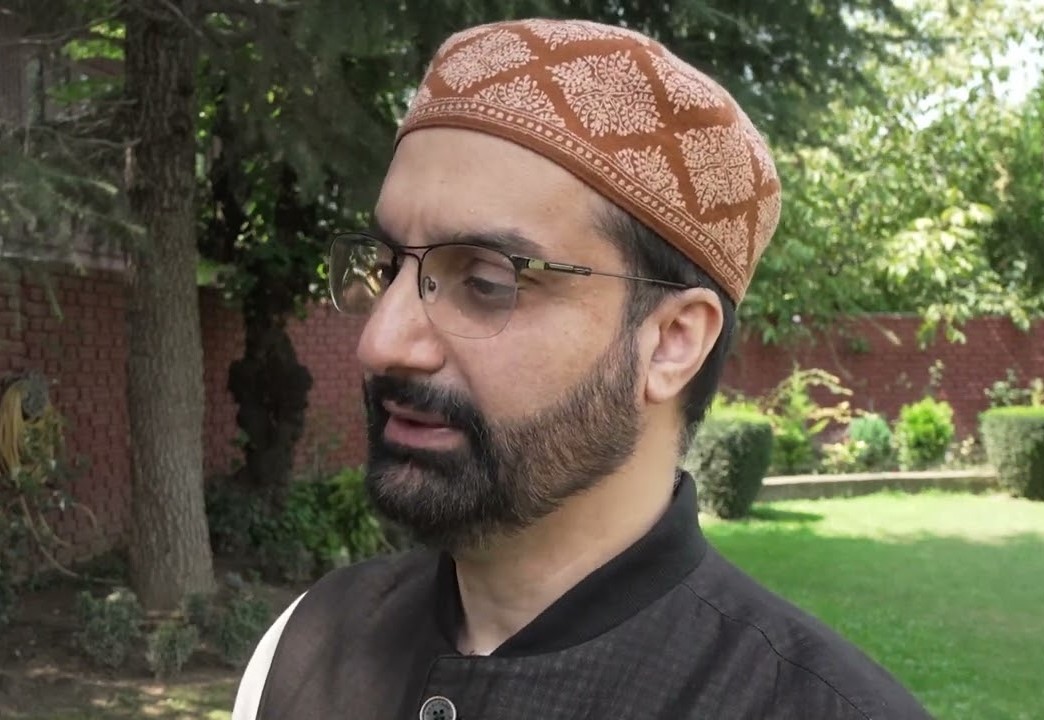
In Kashmir’s complex political landscape, even a single line in a social-media bio can carry the weight of history, identity, and unresolved conflict. This week, Mirwaiz Umar Farooq—one of the Valley’s most influential religious figures and long-standing separatist leader—removed the title “Chairman All Parties Hurriyat Conference” from his X (formerly Twitter) profile.
The change came, he said, after sustained pressure from authorities, who cited the fact that the Hurriyat Conference and its constituent bodies have been banned under the Unlawful Activities (Prevention) Act (UAPA). His account now displays only his name and location.
What might appear a routine social-media update actually reflects a much larger political reality in post-Article 370 Jammu & Kashmir—where separatist structures have steadily lost organizational, operational, and symbolic space.
What Exactly Changed in the Bio?
Until recently, Mirwaiz’s bio publicly declared him as:
“Chairman – All Parties Hurriyat Conference”
That description has now disappeared.
Today his profile carries only:
-
Name
-
Srinagar location
No formal designation. No political reference.
To his supporters and critics alike, the deletion marks a visible retreat of separatist identity from the public domain.
Why the Change? Mirwaiz Explains Authority Pressure
Mirwaiz Umar Farooq stated clearly that he did not act voluntarily.
For months, he said, authorities had been pressing him to remove any mention of Hurriyat from his public identity, since:
-
Hurriyat Conference and its wings stand banned under UAPA
-
Several constituent organizations, including Awami Action Committee, face restrictions
-
Public representation of such bodies is monitored
Rather than risk confrontation or further curbs, Mirwaiz chose compliance.
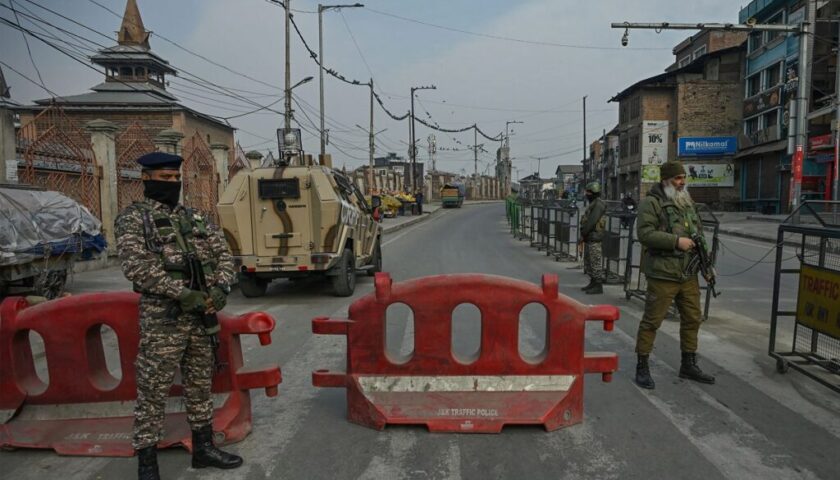
His situation also reflects the new operational environment in Kashmir, where leaders—once central to separatist discourse—now operate under tight regulatory and security constraints.
The Decline of Hurriyat: A Historical Shift
The All Parties Hurriyat Conference, formed in 1993, once represented multiple separatist factions advocating Kashmir’s political autonomy or independence.
But the abrogation of Article 370 in 2019 transformed the political landscape.
Key developments included:
-
multiple detentions of political leaders
-
tightening of security grids
-
refusal to allow separatist mobilization
-
freezing of organizational activity
As a result, the Hurriyat—once a central pillar of separatist representation—has faded from active politics, surviving more as a symbol than a functioning institution.
Reactions Across the Valley: Silence, Support, Skepticism
The development triggered mixed responses.
Some observers viewed it as:
-
inevitable compliance
-
a sign of de-escalation and caution
-
acknowledgment of legal reality
Others perceived it as:
-
forced erasure of political identity
-
symbolic suppression
-
a step toward depoliticized normalcy
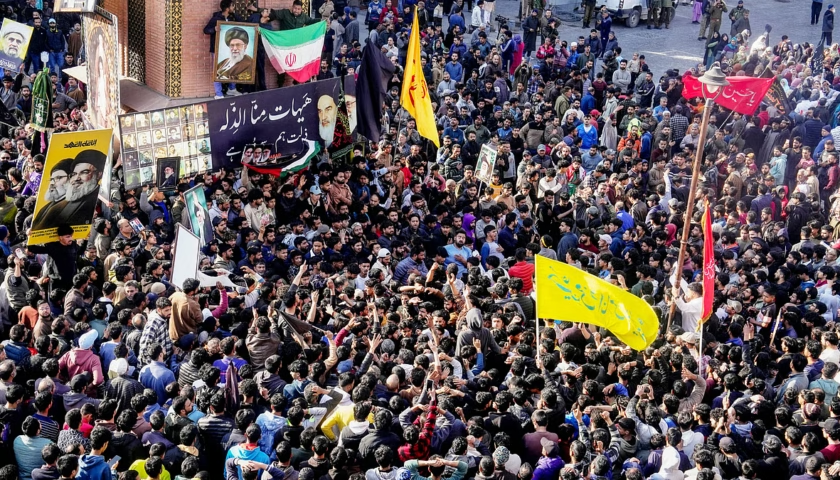
Families of former activists, older supporters, and civil-society voices privately expressed that even symbolic references are now unsafe.
Mehbooba Mufti: “Hurriyat Was an Idea”
PDP president Mehbooba Mufti offered one of the clearest political reactions.
She argued that the Hurriyat:
“was not only an organization, but an idea formed out of deep-rooted alienation felt by people.”
Meaning:
-
removing a title cannot erase sentiment
-
public disassociation does not equal ideological disappearance
-
movements sometimes survive as memory or emotion
Her remark reflects a broader sociopolitical reality:
institutions may weaken, but grievances and identity debates persist beneath the surface.
Key Perspectives at a Glance
| Stakeholder | Position | Implication |
|---|---|---|
| Mirwaiz Umar Farooq | Removed Hurriyat chairman title under pressure | Compliance to avoid confrontation |
| Authorities | Enforced bio change citing UAPA ban | Reinforces ban on separatist entities |
| Political Voices (including Mehbooba) | Say Hurriyat remains an “idea” | Symbolism outlives structure |
| Public in Kashmir | Mixed reactions | Split between resignation and unease |
Beyond the Bio: Shrinking Space for Separatist Politics
The symbolic removal signals several underlying developments:
-
Legal Enforcement Has Reached the Personal Identity Layer
Even designations on social profiles fall within regulatory scrutiny. -
Separatist Branding Is No Longer Tolerated in Official View
Public self-identification attracts pressure. -
Post-370 Kashmir Operates Under Institutional Control
State engagement replaces street mobilization. -
Leaders Face a Hobson’s Choice
Either comply quietly
Or risk further restrictions
Mirwaiz chose the former.
A Cleric Between Faith and Politics
Mirwaiz is not only a political figure.
He is Kashmir’s chief cleric, delivering sermons at Srinagar’s Jamia Masjid.
This dual identity:
-
enhances his influence
-
complicates his relationship with the administration
-
places him under constant public scrutiny
His decision to comply signals calculated restraint, balancing faith leadership with political limitations.
Public Sentiment: Resignation and Reflection
In conversations across Srinagar and South Kashmir, several recurring themes emerged:
-
“This was bound to happen.”
-
“Everything changed after 2019.”
-
“People are tired of confrontation.”
-
“But history cannot be edited away.”
This blend of fatigue and unresolved sentiment shapes today’s Kashmir.
Risks & Challenges Moving Forward
1. Symbolic Erosion
Hurriyat’s presence continues to fade from public visibility.
2. Political Sensitivity
The move underscores tight state supervision of political identity.
3. Community Perception
Supporters view it as forced compliance, deepening alienation.
4. Narrative Battle
Whether this marks stabilisation or suppression remains contested.
The Larger Picture: From Street Politics to Controlled Expression
Since 2019, Kashmir’s political environment has shifted from:
-
protests to policing
-
open agitation to silent acceptance
-
symbolic leadership to institutional governance
Mirwaiz’s bio change fits into that trajectory.
Mehbooba’s Subtle Warning: Ideas Don’t Vanish
By calling Hurriyat an “idea,” Mehbooba highlights:
-
political sentiments cannot be legislated away
-
erasing language does not erase memory
-
alienation requires engagement, not denial
This remains a central challenge for governance.
What This Means for Kashmir’s Political Future
This development signals:
-
end of publicly branded separatist identity
-
controlled social-media presence for leaders
-
prioritization of order over dissent
-
movement from ideology to legality
Yet beneath silence, questions remain unresolved.
Conclusion: When a Bio Reflects a New Political Reality
Mirwaiz Umar Farooq’s decision to remove the Hurriyat Chairman title from his X profile is not just a cosmetic adjustment.
It is a political marker—symbolising:
-
the shrinking space for separatist politics
-
the assertive application of UAPA bans
-
the transformation of Kashmir’s political ecosystem
Whether this ushers in long-term stability or deeper quiet alienation remains a matter of interpretation.
But one truth stands firm:
In Kashmir, even a single deleted line can echo through decades of history.