Aamal and Leadership – Kashmir’s Daily Contradictions
And thus We make the wrongdoers allies of one another because of what they earn.” (Surah Al-An‘am 6:129)
This verse reflects the timeless truth: leaders and systems mirror the deeds (a‘amal) of their people. When society normalizes greed, shortcuts, and silence in the face of injustice, leadership and policies reflect those same flaws.
By: Javid Amin | 14 December 2025
Kashmir, often called paradise on earth for its breathtaking landscapes and resilient people, faces deep-rooted everyday contradictions today. These issues—from healthcare and education to food, youth aspirations, infrastructure, and governance—stem not just from external factors but from our own collective actions, or aamal. As the Quran reminds us through various verses emphasizing that societies reap what they sow in deeds, our leaders and systems often reflect the values we prioritize: profit over service, shortcuts over integrity, and distraction over unity.
This feature delves into these challenges with ground realities in mind. Reports from recent years highlight a rising drug crisis affecting thousands of youth, widespread complaints about food safety raids uncovering adulterated products, ongoing debates over private school fees despite regulations, frustrations with urban projects like Smart City initiatives, bureaucratic hurdles for vehicle owners, selective demolitions, high power bills amid local hydropower potential, and heated discussions around reservation policies. Yet, woven through it all is a message of hope: true reform starts with self-reflection and realigning our daily actions toward honesty, fairness, and community welfare.
Professions Turned into Profit Machines: When Healing and Teaching Lose Their Soul
Once, doctors and teachers in Kashmir were seen as pillars of society—selfless healers and guides shaping young minds. Today, many feel these noble callings have shifted toward commercialization, where patient care or student growth takes a backseat to financial gains.
In healthcare, ground reports paint a troubling picture. Clinics and diagnostic labs often recommend unnecessary tests, pushing patients toward costly procedures or branded medicines that offer kickbacks to prescribers. While outright “fake medicine mafias” are cracked down upon occasionally, substandard or overpriced drugs remain a concern, eroding trust. Parents share stories of children prescribed expensive courses for minor ailments, turning routine check-ups into burdensome expenses. This isn’t universal—many dedicated professionals still serve with integrity—but the trend fuels cynicism, especially when families already struggle with rising costs.
Education faces similar shifts. Private schools, booming across the Valley, promise “world-class” facilities and English-medium instruction. Yet, parents frequently complain of arbitrary fee hikes, mandatory expensive uniforms, books from specific vendors, and additional charges for “smart classes” or events. Despite the Fee Fixation and Regulation Committee (FFRC) setting guidelines, violations persist, with some institutions displaying unapproved structures or imposing “security deposits” as hidden admission fees. Coaching centers add to the load, operating without strict oversight on fees or facilities, leaving families juggling multiple payments for a child’s future.
These changes reflect broader societal pressures: the chase for “roti, kapda, aur makaan” (food, clothing, and shelter) pushing professionals toward maximizing income. But at what cost? When trust erodes in those meant to heal and educate, it weakens the community’s foundation. Introspection here is key—prioritizing service over fortune could restore these professions’ esteem.
The Poison on Our Plates: Food Industry and the Erosion of Trust
Food sustains life, yet in Kashmir, concerns over quality have grown alarmingly. From local markets to branded outlets, reports of adulteration—rotten meat supplied to eateries, poultry injected with questionable substances, packaged snacks with dubious ingredients, or milk diluted for profit—have led to multiple raids and seizures in recent years.
Authorities have intensified checks, destroying thousands of kilograms of unfit meat, banning certain products, and suspending licenses. Street vendors and big suppliers alike face scrutiny, with cases of unhygienic processing or artificial colors in popular items like kebabs. Poultry and meat often come from outside, raising questions about steroids or preservatives used to extend shelf life. Even halal certification sometimes feels more marketing than assurance.
This isn’t just about health risks—potential long-term effects on bodies and minds—but a betrayal of cultural values where food, especially wazwan, symbolizes hospitality and purity. Families worry about feeding children items laced with unknowns, all for someone else’s quick profit. The Quran’s emphasis on lawful, wholesome sustenance feels distant when greed overrides ethics.
Daily life examples abound: a family buying “fresh” mutton only to find it questionable, or children falling ill from street food prioritizing volume over hygiene. These incidents scatter trust, keeping people preoccupied with basic survival worries.
Drugs Destroying the Future: A Deliberate Assault on Youth and Identity
Perhaps the most heartbreaking crisis is the surge in drug abuse among Kashmir’s youth. Reports from hospitals and studies indicate tens of thousands affected, with heroin and synthetic substances claiming lives and futures. Unemployment, post-conflict stress, and easy availability near borders fuel this epidemic, but deeper allegations point to deliberate efforts to weaken the next generation.
Rehabilitation centers overflow, families shatter as young people chase temporary escapes. This erodes physical strength, mental clarity, and cultural identity—turning vibrant dreams into despair. Alongside, consumerism and media distractions dilute traditional values, keeping society fragmented.
Examples from daily life: a talented student dropping out due to addiction, or villages once known for scholarship now grappling with hidden peddlers. This isn’t coincidence; it’s a planned erosion, mirroring how societies inviting harm through inaction face consequences.
The Smart City Paradox: Narrowed Roads, Widened Frustrations
Development should ease life, yet Srinagar’s Smart City projects have sparked widespread complaints. Intended for beautification and sustainability, initiatives like adding pedestrian paths and cycle tracks often narrowed vehicle lanes—ill-suited for a region with surging car ownership and minimal cycling culture.
Traffic chaos ensues daily, with dug-up roads causing jams, delays for emergencies, and added stress. Residents question importing models ignoring local realities: lakhs of vehicles navigate squeezed arterials, while unused tracks gather dust. This “paradox” frustrates masses, exemplifying policies that prioritize optics over practicality.
Vehicle Dreams Turned Nightmares: Bureaucratic Hurdles and Hidden Costs
Owning a car once symbolized progress for Kashmiri families. Affordable options from outside brought joy—until rules mandated re-registration, involving hefty taxes, paperwork, and fees. Seizure threats loomed for non-compliance, turning aspirations into burdens.
High costs, delays, and extra levies deter many, scattering focus on survival rather than growth.
Other Daily Pressures: Bulldozers, Reservations, and Power Bills
Bulldozer actions, often for anti-encroachment, leave families homeless amid disputes over land ownership. Selective enforcement breeds resentment.
Reservation policies spark divisions, with recent changes reducing open merit quotas, fueling protests over perceived inequities.
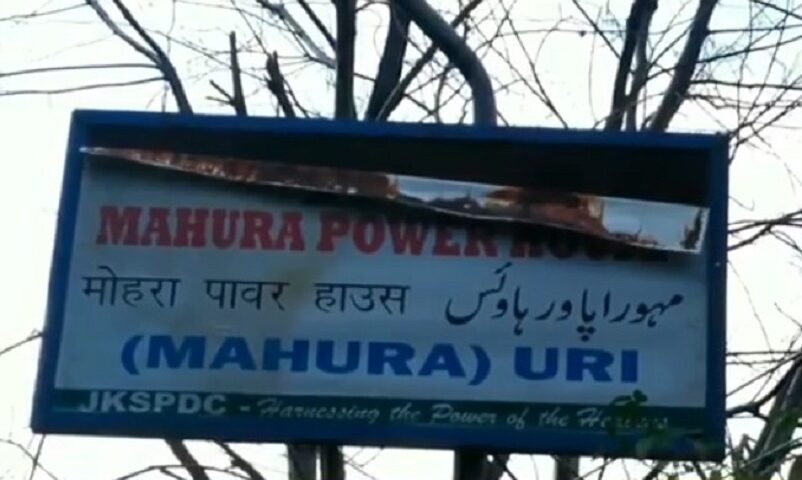
Despite abundant hydropower, high tariffs strain households—winter shortages force imports, while collections lag, highlighting mismanagement.
Additional frustrations: unchecked coaching fees, environmental neglect amid tourism booms, or youth migration for opportunities.
The Larger Message: Introspection as the Path Forward
These aren’t isolated woes but reflections of collective aamal—when greed normalizes, systems mirror it through exploitative policies. Quranic wisdom urges reform through personal and communal change: realign actions with honesty, service, and fairness, and leadership transforms.
Kashmir’s people are resilient. By introspecting early—prioritizing ethics in professions, demanding accountability, supporting youth, and uniting for just policies—we can reclaim paradise not just in scenery, but in society. Change begins with us.