Kashmiri Shawl Seller Assaulted in Himachal’s Bilaspur | FIR Filed as Migrant Traders Seek Safety & Dignity
By: Javid Amin | 30 December 2025
A Quiet Business Trip Turns Into a Nightmare
For thousands of Kashmiri artisans, the winter months are not a break from work.
They are a lifeline.
As snow covers the Valley and tourism slows, many shawl sellers travel across India — to Himachal Pradesh, Punjab, Uttarakhand, Maharashtra and beyond — carrying with them hand-woven woolens, traditional Pashmina, and Kashmiri handicrafts passed down through generations.
It is part trade, part tradition.
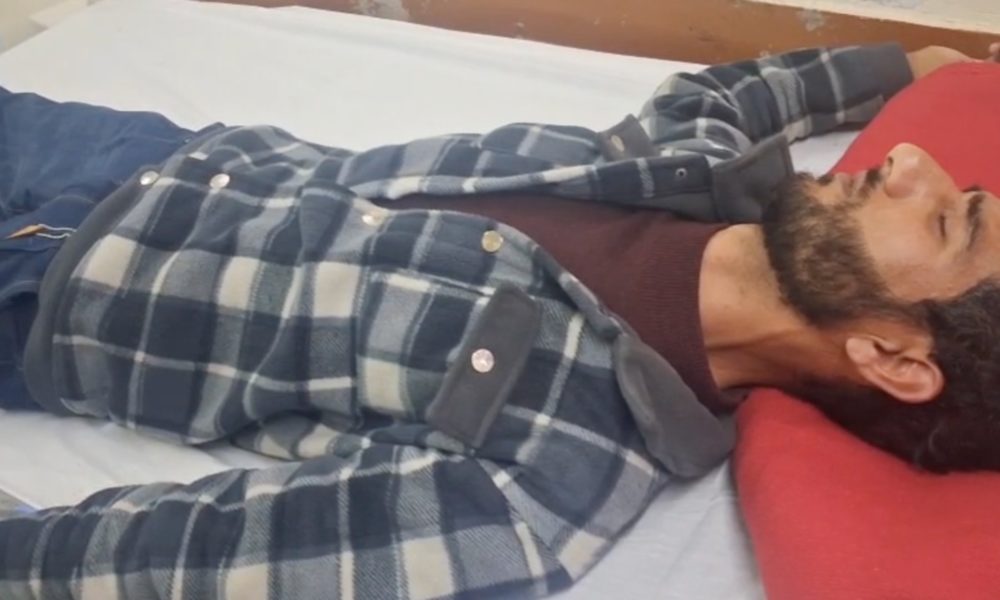
But in Himachal Pradesh’s Bilaspur district, a routine business trip turned into a moment of fear and trauma when Abdul Ahad Khan, a shawl seller from Kupwara, Kashmir, was allegedly assaulted by three masked individuals near Kuthera village in Ghumarwin tehsil. His merchandise was reportedly damaged, and his sense of safety shattered.
Police have confirmed that an FIR has been registered under relevant sections of the Bharatiya Nyaya Sanhita (BNS), and the matter is under investigation.
Yet beyond the legal process lies a deeper human story — one that touches on migration, trust, livelihoods, law-and-order, and social cohesion.
This feature explores that story.
Who Are Kashmiri Shawl Sellers, Really?
Beyond Tourism: A Lifeline Industry
Kashmiri shawl traders are not just vendors.
They are custodians of a centuries-old craft tradition — embroidery, weaving, and wool-work that supports tens of thousands of families in Jammu & Kashmir.
Most shawl sellers:
-
travel seasonally from October to March
-
move across states on foot, buses, and local transport
-
operate independently or through small family networks
-
sell door-to-door or via temporary winter shops
-
carry limited stocks — often borrowed or financed
For many, this income feeds families back home.
A slow season means:
-
unpaid school fees
-
pressure from lenders
-
food insecurity
-
disrupted household budgets
So when something goes wrong on the road — an assault, harassment, or loss of goods — the impact is devastating and immediate.
The Bilaspur Assault: What Happened
The Complaint
According to the police and local reports:
-
Abdul Ahad Khan, a resident of Kupwara, was out selling shawls when he was allegedly confronted by three masked individuals.
-
He reported being physically assaulted without provocation.
-
His merchandise was damaged during the attack.
-
He approached the Ghumarwin Police Station, where an FIR was registered under BNS provisions.
-
Police recorded his statement and began investigation.
This is not just a criminal case — it has become a flashpoint of fear for dozens of migrant traders working across Himachal Pradesh.
The Shockwave Among Migrant Traders
Following the incident, other Kashmiri shawl sellers shared a video, speaking softly but clearly:
They said they feel:
-
harassed
-
threatened
-
insecure
Some traders said they now avoid working alone.
Others said they fear staying out late or travelling to remote villages.
These are not men seeking confrontation.
They are fathers, sons, husbands, and sole breadwinners — worried about survival and safety.
Fear does not just reduce confidence.
It destroys business.
The Socio-Economic Lens: When Livelihood Meets Risk
Seasonal Migration = Seasonal Vulnerability
Migrant workers across India — from brick-kiln labourers to artisans to vendors — face structural vulnerabilities:
-
they work outside their home safety net
-
they lack strong local social capital
-
they operate informally with minimal legal protection
-
language and cultural barriers restrict access to help
For Kashmiri traders, the risk increases due to:
-
visible identity markers
-
mobile nature of work
-
handling of cash and stock
A single violent incident can:
-
erase an entire season’s earnings
-
create permanent mental trauma
-
discourage future travel
-
weaken trust between communities
This is not only an economic loss.
It is a loss of social confidence.
Law, Order & Responsibility
Police Response Matters
When local police:
-
respond quickly
-
register cases
-
ensure due process
it sends a message:
Justice is accessible. Law protects everyone.
In Bilaspur, police have:
-
registered an FIR
-
launched investigation
-
acknowledged the complaint
This proactive step is critical.
But further actions matter too:
-
transparent investigation
-
community reassurance
-
prevention measures
Safety should not be seen as a favour.
It is a right under the Constitution of India.
Social Harmony: A Shared Responsibility
Locals & Traders: A Longstanding Relationship
For decades, Himachal Pradesh has welcomed Kashmiri traders, especially in winter markets.
Many locals appreciate:
-
authentic woolen products
-
artisanal craftsmanship
-
fair pricing
Likewise, traders speak warmly of:
-
hospitality
-
kindness
-
repeat customers
Isolated criminal incidents should never:
-
stigmatize a community
-
fuel prejudice
-
break trust
Instead, they should strengthen the resolve for mutual respect and coexistence.
The Economic Ripple Effect
The Handicraft Chain
When a trader loses stock or confidence, the impact moves upstream:
-
Weavers lose orders
-
Workshops sit quiet
-
Rural households lose income
-
Traditional skills weaken
India’s handicraft economy thrives on:
-
trust
-
safe mobility
-
cultural exchange
Fear interrupts all three.
A Human Story at the Centre
Remove the legal language.
Forget policy documents.
At the centre of this case is:
A man far from home
trying to earn honestly
who was allegedly beaten without cause.
He left his home not for adventure, but responsibility.
And now he will return with:
-
bruises
-
financial loss
-
anxiety
His family will ask:
“Will you go again next year?”
What will he say?
The Larger Question: Are Migrant Workers Truly Safe?
This incident forces India to ask:
-
Do migrant workers feel protected?
-
Are complaints taken seriously everywhere?
-
Are systems accessible to outsiders?
-
Do we treat economic migrants with dignity?
Every Indian working outside their hometown deserves:
-
safety
-
justice
-
respect
Whether they are IT engineers in Bengaluru
or shawl sellers in Himachal
or labourers in Gujarat.
A Way Forward
Practical Interventions
Authorities and civil society can help by:
-
Ensuring swift investigation
-
Providing grievance channels for migrant workers
-
Promoting community awareness
-
Discouraging hate-driven narratives
-
Strengthening legal literacy
Trade thrives only where trust exists.
Voices From the Ground
Kashmiri traders say:
“We come here to earn, not to create trouble.”
Local residents add:
“One crime should not define relations.”
And police maintain:
“Law will take its course.”
This tripartite understanding is essential.
Conclusion — Justice, Dignity & The Road Ahead
The Bilaspur assault is not just a case file.
It is a reminder that:
-
economic migration sustains families
-
traditional industries depend on mobility
-
every worker deserves dignity
-
social harmony must be nurtured
As the investigation proceeds, the hope is simple:
Justice for the victim.
Reassurance for migrant workers.
And protection of India’s social fabric.
Because when livelihoods are threatened,
humanity must step forward.