Kashmir Water Crisis and Dry Spell: A Deep Dive Into the Growing Water Shortage in Kashmir
By: Javid Amin | 06 December 2025
How a Changing Climate, Delayed Snowfall, and an Unrelenting Dry Spell Are Reshaping Life in the Valley
A WINTER LIKE NO OTHER
Kashmir has always lived by the rhythm of its seasons. Winter was once predictable: snow-clad meadows, frozen mornings, crisp air, and water sources replenished by the Valley’s famed snowfall. But this year, winter has arrived carrying the tones of an unfolding environmental crisis.
Streams that should be roaring are reduced to trickles. Springs that once quenched entire villages are gasping. Pipelines have thinned out. Tankers line up across towns and rural belts. The air is colder, but the skies are drier. Farmers worry. Tourism slows. Households tighten their water use. And all of it points to one uncomfortable truth:
Kashmir is facing one of its most alarming water shortages in recent memory — a direct fallout of an intensifying dry spell and altered winter patterns.
Across the Valley, meteorological officials, environmental experts, hydrologists, farmers, and common households share a similar sentiment:
“This winter doesn’t feel like winter. And that is dangerous.”
What follows is a deeply reported, environment-forward feature on the evolving Kashmir water crisis and dry spell, using on-ground reports, scientific reasoning, community narratives, and environmental insights to piece together a crisis that is growing silently but rapidly.
THE CLIMATE BACKDROP: WHY KASHMIR IS RUNNING DRY
1. A Dry Spell Stretching From Autumn Into Winter
Since October, Kashmir has received almost no meaningful precipitation. No major rainfall. No widespread snowfall. Not even the early winter snow that usually marks the transition into the Valley’s harshest months.
Meteorological bulletins confirm the same:
-
Weather to remain dry until at least mid-December
-
Only isolated snowfall possible in higher reaches
-
No major western disturbances approaching soon
This pattern — prolonged dryness despite temperature drops — has become a defining feature of winter 2024–25.
2. Temperature Drops, But No Snowfall
Srinagar has already recorded –4°C.
Shopian dipped to –6.4°C.
Pahalgam touched around –4°C.
Yet, paradoxically, not a single substantial snowfall has replenished the region’s natural reservoirs.
Cold alone cannot recharge rivers, lakes, and springs. Kashmir’s hydrological cycle depends fundamentally on snowpack accumulation in early winter.
Without snow, water sources shrink — fast.
3. La Niña’s Shadow Over the Himalayas
Global meteorological indicators suggest that La Niña conditions are influencing winter patterns across South Asia — and Kashmir is no exception.
Typically:
-
La Niña strengthens western disturbances
-
Western disturbances bring moisture into the Himalayas
-
Moisture translates into snow and rain
But this year, the atmospheric circulation seems disrupted. Cloud bands form and dissipate without delivering precipitation. The Valley remains stuck under cold, dry, stable air.
4. Global Warming’s Himalayan Footprint
Climate change is no longer a distant fear — it is an everyday reality.
Warmer oceans.
Distorted jet streams.
Erratic western disturbances.
Reduced moisture transport.
These global patterns are playing out locally:
-
Snowfall is delayed.
-
Precipitation frequency is declining.
-
Winter onset is shifting.
-
Moisture content in the atmosphere is lower.
The Himalayas warm faster than the global average. As a result:
-
Snow cycles shrink
-
Rain replaces snow in many areas
-
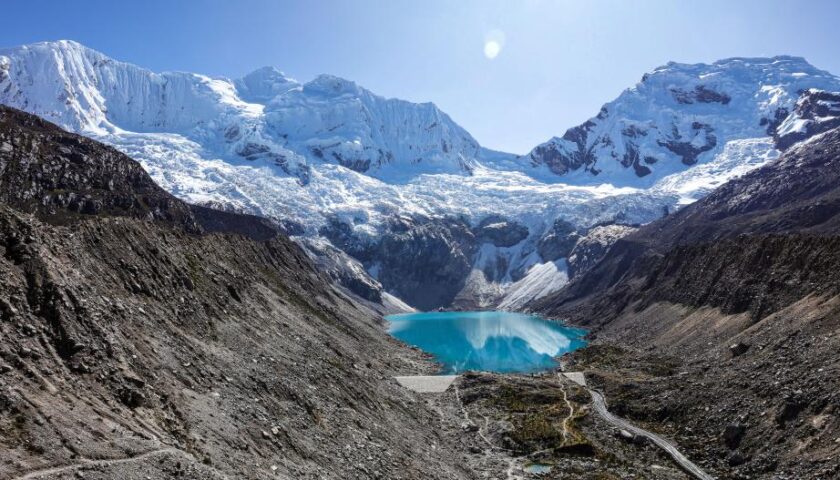
Glacial melt accelerates in summer
-
Winter recharge becomes insufficient
Kashmir now sits on this frontline of rapid climatic shifts — and its water security is feeling the hit.
THE WATER CRISIS UNFOLDS
1. Rivers, Springs, and Streams Running Low
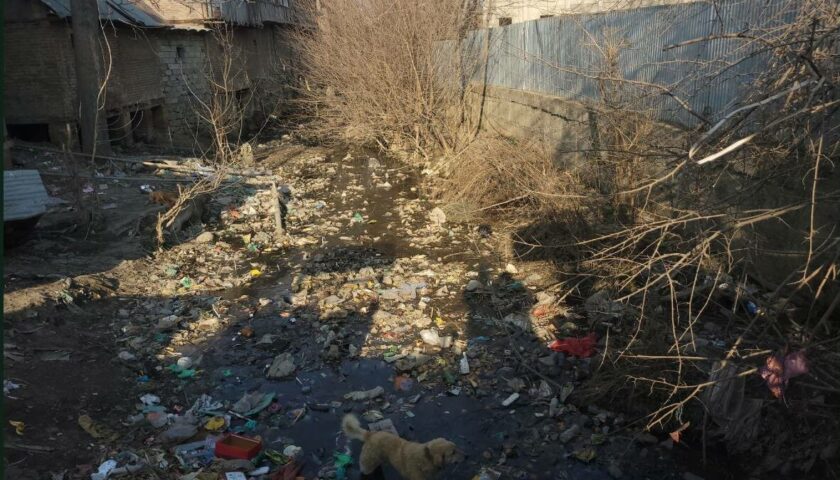
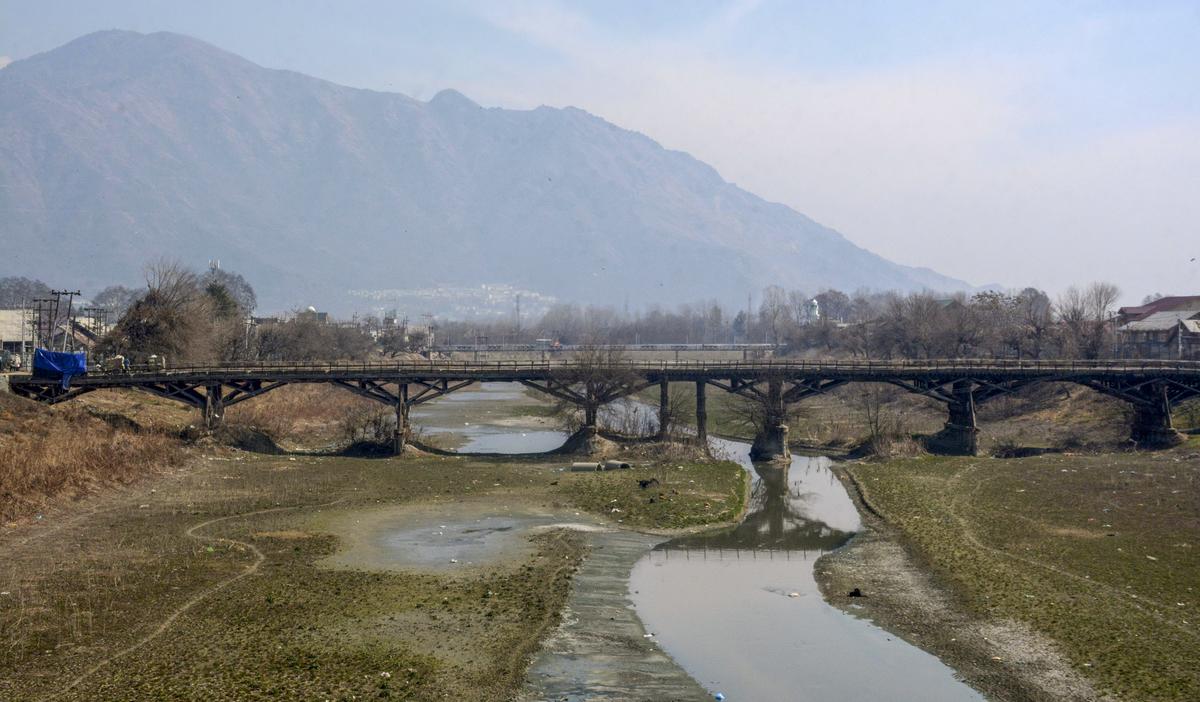
In South Kashmir — especially in Shopian, Pulwama, and parts of Kulgam — streams and springs have shrunk noticeably. The water discharge that feeds drinking water pipelines has dropped below operational levels in several villages.
Field reports indicate:
-
Streams that once nourished orchards are now narrow channels
-
Springs with continuous flow have slowed to drips
-
Irrigation canals are nearly dry
-
Wells have lower recharge
For rural households, water is not just scarce — it is unpredictable.
2. Jal Shakti Department Forced to Deploy Water Tankers
The government has acknowledged reduced inflow in natural sources. As a result:
-
Water tankers have become a lifeline
-
Many households receive only limited tap water
-
Urban belts experience intermittent supply
-
Rural belts face hours-long waits for tanker distribution
This is a concerning situation for early winter — a time when water availability should be at its seasonal peak.
3. Drinking Water Anxiety Spreads Across Households
Families across Srinagar, Budgam, Shopian, and Pampore are storing water in drums, buckets, and plastic containers. Many report:
-
Reduced morning supply
-
Lower tap pressure
-
Sudden, unannounced cuts
-
Higher reliance on bottled water for drinking
Water is slowly entering the category of “daily worry.”
4. Hygiene and Health at Risk
Dry air
Cold winds
Limited water availability
This combination is driving:
-
More respiratory infections
-
Skin dryness issues
-
Reduced sanitation
-
Impacts on elderly and children
Healthcare workers in district hospitals report rising patient load, driven by harsh cold, fog, and insufficient indoor humidity.
WHEN CLIMATE CHANGE WAKES THE BEARS
One of the most striking signs of ecological disruption this winter comes from wildlife:
Asiatic black bears in Kashmir are no longer hibernating.
1. Why Bears Should Be Sleeping Now
Traditionally, by late November:
-
Bears move into caves
-
Their metabolism slows
-
They remain dormant until March
But this year:
-
Bears are active
-
Bears are hungry
-
Bears are entering human zones
Wildlife officers confirm that in areas around Dachigam and its surrounding belts, bears are being spotted near villages, garbage dumps, and orchard zones.
2. Why Are Bears Awake?
Two main drivers:
a) Warmer Winters and Dry Landscapes
Without sufficient snow cover, the bears’ biological cues for hibernation are not triggered.
b) Food Chain Disruptions
Dry spell → less vegetation → less food for deer → less prey movement → starving predators.
3. Rising Human–Animal Conflict
Villagers report:
-
Night sightings
-
Orchard raids
-
Livestock attacks
-
Increased fear
Wildlife departments are placing traps, monitoring movement, and conducting awareness drives — but with bears refusing to hibernate, conflict could worsen.
4. Ecological Instability
Bears awake year-round disrupt:
-
Predator–prey cycles
-
Forest nutrient flow
-
Winter ecological balance
This is not just a wildlife issue — it is a climate warning.
AGRICULTURE UNDER STRAIN
Agriculture is Kashmir’s economic backbone, and today it stands vulnerable.
1. Saffron Farmers Sound Alarm
Pampore — Kashmir’s “saffron bowl” — depends on October–November showers for flowering and corm hydration. But without rainfall:
-
Fields are too dry
-
Flowers are fewer
-
Yields drop significantly
-
Farmers report financial strain
A single bad season impacts a full year’s income.
2. Apple Growers Fear Frost Damage
Apple orchards require:
-
Winter chill for proper dormancy
-
Regular snowfall for moisture recharge
-
Stable temperatures to prevent frost cracking
The current mix of:
-
Dryness
-
Intense chill
-
No snow blanket
…exposes orchards to long-term stress.
3. Horticulture Experts Warn of Cumulative Impact
Less snow now means:
-
Lower water table in spring
-
Poor irrigation for early flowering
-
Stress on fruit quality
-
Long-term soil moisture depletion
Snow is not just visual beauty — it is the Valley’s water bank.
DAILY LIFE UNDER THE DRY SPELL
1. Increased Heating Costs
With:
-
More cold
-
No snowfall insulation
-
Foggy mornings
Households rely heavily on:
-
Bukharis
-
Gas heaters
-
Electric room heaters
-
Gas cylinders
Fuel costs surge while incomes remain stagnant.
2. Fog and Road Accidents
Dry winter produces:
-
Persistent fog
-
Black ice
-
Icy roads
Traffic police confirm increased morning accidents due to low visibility and slippery conditions.
3. School Disruptions
Parents report:
-
Children getting sick
-
Difficulty commuting
-
Need for early winter vacations
Schools struggle between safety and academic schedules.
TOURISM WAITS FOR SNOW
Gulmarg, Sonmarg, Pahalgam — the jewels of winter tourism — are waiting for the season’s first major snowfall.
1. Delayed Ski Season
Ski resorts usually open by early December. But:
-
No snow
-
No ski tracks
-
Bookings delayed
-
Tourist flow lower than expected
Hotel owners report cancellations and budget adjustments.
2. Tourists Seek Snow, Not Dry Hills
Winter tourists expect:
-
Ski slopes
-
Snowfall experiences
-
Frozen lakes
-
Snow treks
Dry slopes disappoint visitors who travel long distances.
3. Economy Feels the Pinch
Winter tourism contributes significantly to:
-
Hotel revenue
-
Transport
-
Local guides
-
Pony owners
-
Restaurants
A snowless December can mean a financially weak season for thousands of workers.
WHAT HAPPENS IF THE DRY SPELL CONTINUES?
1. Water Crisis Could Peak in January
Chillai-Kalan — December 21 to January 31 — is:
-
The harshest period of winter
-
Usually snow-rich
-
Crucial for water recharge
If snowfall remains absent:
-
Water tables drop further
-
Springs dry out
-
Domestic supply collapses
-
Tanker dependency skyrockets
2. Agriculture Will Face Spring Deficit
By March:
-
Irrigation demand rises
-
Orchards require moisture
-
Fields need watering
Without snow, Kashmir enters spring already in deficit.
3. Climate Change Will Accelerate Its Effects
This is not a one-season anomaly.
It is part of a larger climate trajectory:
-
Less snow
-
More dry spells
-
Erratic rains
-
Intense cold waves
-
Unpredictable weather
Kashmir’s traditional climate identity is shifting.
WHAT CAN BE DONE? THE ROAD AHEAD
1. Strengthen Water Conservation
Households and hotels must adopt:
-
Rainwater harvesting
-
Rooftop storage
-
Greywater recycling
2. Upgrade Water Infrastructure
The government must:
-
Expand storage tanks
-
Repair leakage-prone pipelines
-
Modernize pumping stations
-
Increase tanker fleet
3. Scientific Monitoring of Snowfall Cycles
Real-time snow mapping
Glacier tracking
Hydrological modelling
Digital monitoring
These systems can forecast water availability months in advance.
4. Climate-Adaptive Agriculture
Farmers need:
-
New irrigation techniques
-
Drought-resistant crop varieties
-
Soil-moisture conservation practices
5. Wildlife Protection Measures
For the unexpected bear crisis:
-
Better waste management in villages
-
Night patrols
-
Community awareness
-
Safe relocation strategies
CONCLUSION: A VALLEY AT A CROSSROADS
Kashmir’s winter is changing — subtly, steadily, dangerously.
What was once a season of renewal is now becoming a season of fear:
-
Fear of water scarcity
-
Fear of dry fields
-
Fear of wildlife wandering into human zones
-
Fear of a climate future no longer stable
The Kashmir water crisis and dry spell are not isolated phenomena; they are signals of a deeper transformation. The Valley is entering a new climatic age, one where old patterns fade and new challenges emerge.
Yet, there is resilience.
There is awareness.
There is willingness to adapt.
But adaptation must be swift, scientific, and supported.
Kashmir stands today at a crossroads — between the climate it once knew, and the climate it must now learn to survive.