Winter’s Grip Tightens Across Kashmir and Ladakh
By: Javid Amin | 26 December 2025
As the winter season reaches its most severe phase, the mountainous regions of Kashmir and Ladakh are grappling with deepening cold and prospects of new snowfall as the year draws to a close. Persistent sub-zero temperatures, weather advisories from the Meteorological Department, and early snowfall patterns are shaping travel, infrastructure, and daily life in these Himalayan landscapes.
Locals, authorities, and visitors are all adjusting to a pattern of intensified winter chills that are expected to continue and potentially peak near December 30–31, 2025, according to recent weather reports and forecasts.
Kashmir Weather — Deepening Cold and Snow on the Horizon
Below-Normal Temperatures Sweep the Valley
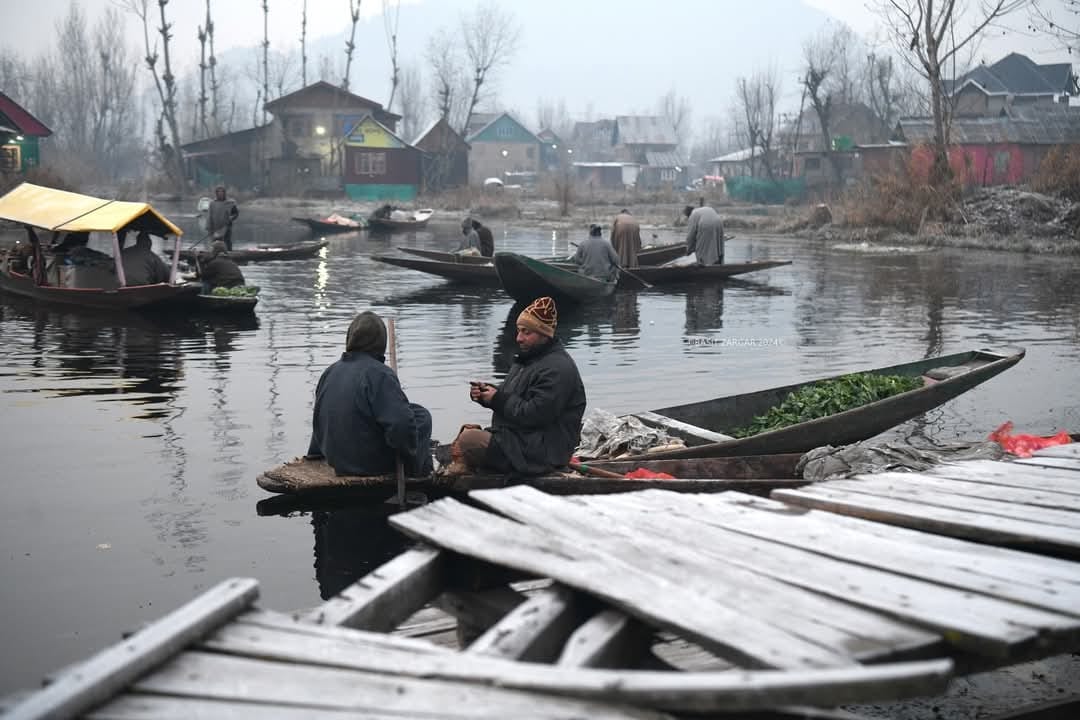
Throughout December, Kashmir has experienced below-average temperatures, with frost setting in daily and frequent sub-zero nights. While precise daily readings vary across valleys and towns, official reports confirm that many areas including Srinagar and surrounding districts have remained colder than historical norms.
For instance, in late December:
-
Srinagar recorded minimum temperatures around near freezing to sub-zero, dropping to about 0.2°C on recent nights.
-
In central and higher reaches like Sonamarg and Gulmarg, temperatures plunged further into negative figures, reflecting deep winter conditions.
These cold readings align with broader winter trends observed across the region as part of Chillai Kalan, the harshest 40-day winter phase that began around December 21. Fresh snowfall during this period has blanketed higher reaches and scenic resort towns, elevating both tourism interest and logistical complexity.
Year-End Snowfall Forecast for Kashmir
Meteorologists and weather agencies have indicated a growing likelihood of additional snow around December 30–31, particularly in higher elevations such as Gulmarg, Sonamarg, and adjacent mountainous zones. This forecast reflects typical winter dynamics in the region, where Western Disturbances — moisture-laden weather systems originating from the west — can trigger snowfall events during deep winter.
In Srinagar and valley plains, the snowfall is expected to be lighter or sporadic, with more significant accumulation in elevated terrain. However, even scattered snow in the Valley can disrupt transport and increase frost levels on roads and fields, requiring vigilance from both travellers and local communities.
Ladakh — In the Grip of a Severe Cold Wave
Night Temperatures Plummet Across the Plateau
The high-altitude deserts and mountains of Ladakh are enduring some of the season’s harshest cold. With scant warming even during daytime, the region’s night temperatures remain perilously low, particularly in settlements like Leh, Kargil, and Drass — the latter often cited as one of India’s coldest inhabited places.
Recent ground reports show that portions of Ladakh have recorded intense freezes as winter peaks, reinforcing long-standing reputations for extreme winter climates.
Snowfall Prospects Over Zojila–Drass and High Mountain Passes
Weather forecasts suggest light snowfall chances (around 55–60% probability) over key high passes, including the Zojila–Drass axis, particularly on the night of December 30. This is a crucial connectivity point between Kashmir and Ladakh, and any snowfall in this zone can significantly affect travel and freight movement.
Cloud cover and atmospheric patterns leading up to the end of the year indicate a shift from partly cloudy to consistently cloudy conditions, followed by intensified cold around December 31 into January 1. These developments can fuel snowfall over elevations and accentuate the deep freeze gripping Ladakh’s high plateaus.
What’s Driving the Winter Pattern? Meteorological Context
The winter weather across Kashmir and Ladakh is shaped by multiple interacting elements:
-
Chillai Kalan: A traditional local climatological phase marking 40 days of harsh cold, typically accompanied by frost, fog, and snow.
-
Western Disturbances: These weather systems bring moisture and the potential for snow — especially at high altitudes — and are predicted to influence the region near year’s end.
-
Persistent high pressure and clear skies: Especially at night, clear conditions facilitate rapid heat loss, pushing temperatures lower.
These factors contribute to a dynamic winter pattern where calm periods can abruptly give way to snow and colder surges.
Ground Reality — How Locals and Visitors Are Responding
Daily Life Under Deepening Cold
Residents across urban and rural belts face routine challenges from the prolonged cold:
-
Frost builds on roads and fields at dawn, increasing slip hazards and affecting agriculture.
-
Homes and public buildings are operating heaters and fuel stoves, elevating energy demand and safety concerns.
-
Public health channels report increased cases of cold-related illnesses, including respiratory infections and frostbite in exposed working populations.
Tourism — Opportunity and Risk
For many tourists, snowfall brings picturesque landscapes that define winter tourism in destinations like Gulmarg and Sonamarg. Recent snow has indeed drawn visitors, boosting seasonal business for hotels, guides, and transport services.
Yet the same snowfall has forced closures of major routes like the Srinagar–Leh Highway and other mountain passes during earlier snow events. The closures underscore how winter weather can rapidly shift from an asset to a logistical challenge. The Times of India
Risks, Challenges, and Preparedness
Travel Disruptions and Road Safety
Snow over high passes such as Zojila can affect critical connectivity between Jammu & Kashmir and Ladakh. Sudden snowfall or icy conditions may prompt temporary road blocks, impacting freight movement, emergency access, and tourism travel plans.
Drivers and travellers are advised to:
-
Check road status before departure.
-
Carry chains for tyres and emergency supplies.
-
Plan itineraries with buffer days.
Infrastructure Strain and Daily Life
Cold waves can place additional strain on infrastructure:
-
Power demand spikes as heating needs increase.
-
Water pipes freeze in very cold pockets, requiring preventive measures.
-
Fog and reduced visibility further complicate early morning travel and school commutes.
Health and Safety Considerations
Medical professionals highlight elevated risks of:
-
Respiratory issues due to cold exposure.
-
Frostbite and hypothermia, particularly among outdoor workers and travellers.
Public advisories emphasize wearing layered clothing, staying dry, and seeking immediate care for severe symptoms.
What This Means for the Coming Days
The forecast models point to continued cold conditions through the end of December and into early January. While the intensity of snowfall over the plains may vary, the higher reaches and critical corridors like Zojila are likely to see snow accumulation.
Authorities are monitoring real-time weather data, coordinating snow clearance, and issuing advisories for residents and travellers to minimize disruptions and hazards.
As winter unfolds, preparedness at individual and community levels will be key to navigating the challenges and opportunities this seasonal transition presents.
Conclusion: Preparing for a Harsh Yet Beautiful Winter
Winter in Kashmir and Ladakh presents a complex tableau — from serene snowy vistas that draw tourists to the real challenges of deep cold, travel disruptions, and public safety. The year-end weather forecast highlights the dual nature of winter, where beauty and adversity coexist.
Residents, travellers, and authorities alike must stay informed with official weather bulletins, exercise caution on the roads, and prepare for rapidly changing conditions as 2025 transitions into 2026 under the deep winter skies of the Himalayas.