Kashmir Cold Wave Deepens | Pulwama at –5.5°C, Srinagar –3.6°C Amid Power Crisis
By: Javid Amin | 12 December 2025
Winter Tightens Its Grip Earlier and Harder
Kashmir is sinking deeper into an unforgiving winter as an intensifying cold wave pushes night temperatures sharply below freezing across the Valley. What makes this phase particularly concerning is not just the severity of the cold, but its timing, persistence, and overlap with a prolonged dry spell and power crisis.
On the latest night, Pulwama emerged as the coldest place in the Valley at –5.5°C, nearly 3°C below the seasonal average, signalling one of the harshest early-December cold spells in recent years. Srinagar, the summer capital and urban heart of Kashmir, recorded –3.6°C, sliding further from the previous night’s –2.9°C and settling 2.4°C below normal.
From south to north Kashmir, the story is the same: frozen nights, biting dryness, worsening health complaints, strained infrastructure, and a growing sense that Chillai-Kalan — the Valley’s harshest winter phase — has cast its shadow early.
Latest Temperature Snapshot: Valley Locked in Sub-Zero Nights
The latest readings underline how widespread and intense the cold wave has become:
| Region | Temperature | Condition |
|---|---|---|
| Pulwama | –5.5°C | Coldest in the Valley |
| Pahalgam | –4.6°C | Tourist hub under severe freeze |
| Shopian | –4.2°C | Among coldest towns |
| Srinagar | –3.6°C | Well below seasonal normal |
| Kupwara | –3.6°C | North Kashmir gripped by frost |
| Qazigund | –2.8°C | South Kashmir freezing |
| Gulmarg | 0°C | At freezing point, no fresh snow |
Meteorologists attribute the sharp fall in night temperatures to persistent dry weather, clear skies, and absence of cloud cover, which accelerates radiational cooling — allowing heat to escape rapidly from the surface after sunset.
Why This Cold Feels Harsher Than Usual
1. Dry Cold Is More Punishing
Unlike snowy winters that trap moisture and provide insulation, Kashmir is currently experiencing a dry cold wave. With no snowfall forecast for at least the next 10 days, the cold penetrates deeper — affecting skin, lungs, water systems, and soil.
Dry air increases:
-
Heat loss from the human body
-
Respiratory irritation
-
Dehydration and cracked skin
-
Frost formation on pipes and roads
This is why residents describe the cold as “sharper” and “more biting” than normal.
2. Absence of Snowfall Worsens Water Stress
Snowfall is not just cosmetic in Kashmir — it is the Valley’s natural water reservoir. The absence of snow at this stage:
-
Reduces soil moisture
-
Weakens spring and stream recharge
-
Deepens the ongoing water scarcity caused by an 86% rainfall deficit
Thus, the cold wave is unfolding against an already fragile ecological backdrop.
Power Crisis: Winter Hardship Multiplies
One of the most immediate and painful impacts of the cold wave is being felt inside homes.
500 MW Power Deficit
Kashmir is facing a power shortfall of nearly 500 megawatts, primarily due to:
-
Reduced hydropower generation caused by low river flows
-
Increased winter demand for heating
-
Structural dependence on hydroelectricity during dry years
What This Means on the Ground
-
Electric heaters and geysers remain unusable for long stretches
-
Households rely heavily on kangris, bukharis, and firewood, increasing indoor pollution
-
Water pipes freeze overnight with no power to thaw them
-
Students struggle to study during dark, cold evenings
-
Hospitals and clinics operate under added stress
For urban residents and rural households alike, cold plus darkness has become the defining winter experience.
Health Under Strain: Cold, Dry Air and Rising Illness
Doctors across the Valley report a steady rise in seasonal illnesses, particularly:
-
Influenza and viral infections
-
Chest congestion and bronchitis
-
Asthma aggravation
-
Joint and muscle pain among the elderly
-
Skin infections due to extreme dryness
Why Cases Are Rising
-
Dry air irritates respiratory passages
-
Indoor smoke from firewood and kangris worsens air quality
-
Reduced sunlight lowers immunity
-
Poor ventilation during cold nights traps pollutants indoors
Hospitals caution that prolonged exposure to such conditions, especially during power outages, could overwhelm primary healthcare facilities as Chillai-Kalan approaches.
Fog, Air Quality and Silent Risks
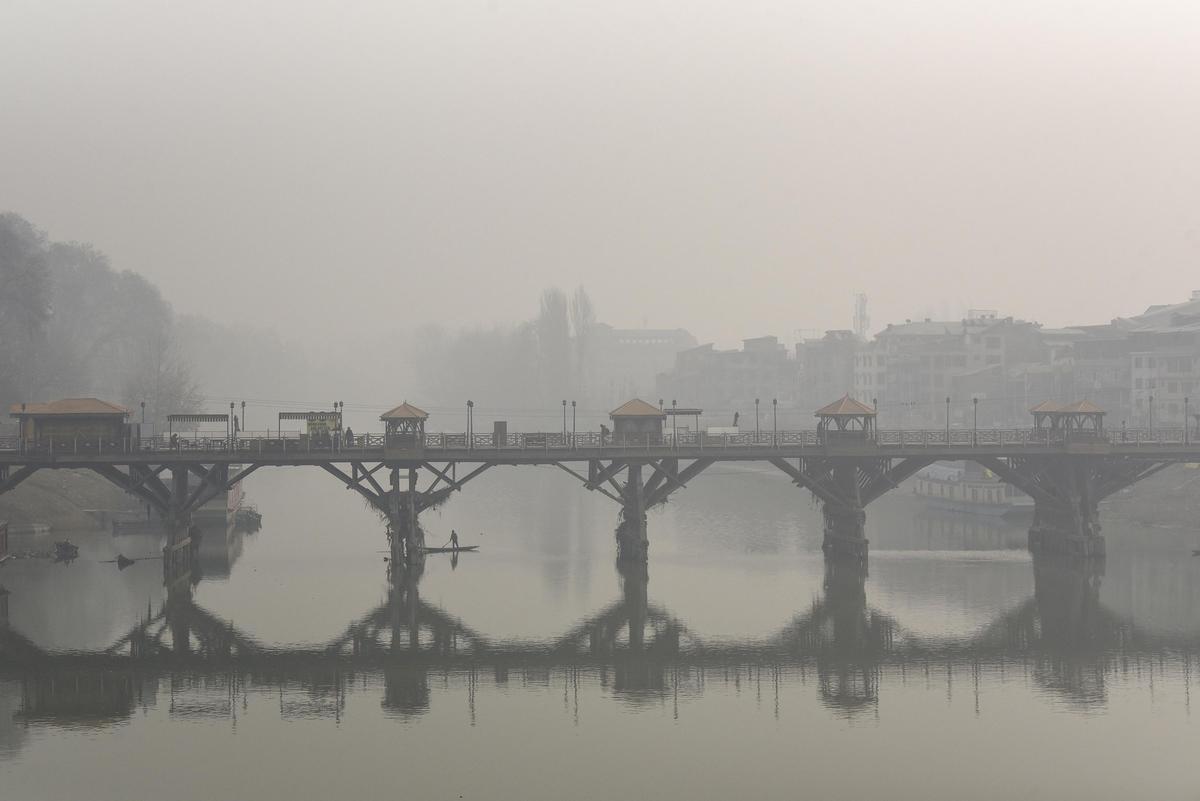
As temperatures plunge and winds remain calm, foggy mornings and stagnant air are becoming routine — particularly in Srinagar and south Kashmir.
Air Quality Concerns
-
Increased suspended particulate matter from domestic heating
-
Reduced atmospheric dispersion
-
Poor ventilation indoors
While Kashmir rarely faces extreme AQI levels seen in plains, winter inversions combined with smoke and dryness are steadily degrading air quality, compounding respiratory risks.
Tourism Feels the Chill
Winter tourism in Kashmir traditionally thrives on snowfall, skiing and scenic beauty. This year, the situation is more complex.
What’s Happening
-
Gulmarg and Pahalgam are freezing, but without fresh snowfall
-
Tourists are delaying or cancelling trips due to extreme cold
-
Icy roads, fog and power shortages affect travel confidence
-
Hotels struggle to provide consistent heating and hot water
The paradox is stark: cold without snow deters tourists, hurting livelihoods dependent on winter travel.
Early Chillai-Kalan Effect: Winter’s Harsh Phase Creeps In
Chillai-Kalan — the 40-day harshest winter period beginning around December 21 — has not officially started, yet many of its characteristics are already present:
-
Persistent sub-zero nights
-
Frozen water supply
-
Power strain
-
Health stress
-
Ecological dormancy
Climatologists warn that early onset signals longer, harsher winters, especially when combined with declining snowfall and erratic precipitation patterns.
Ecological Stress: Cold Wave Meets Dry Spell
The cold wave does not exist in isolation. It is colliding with:
-
An 86% rainfall deficit
-
Shrinking rivers and wetlands
-
Dry forest floors
-
Reduced groundwater recharge
What This Means for Nature
-
Wetlands supporting migratory birds face water stress
-
Soil biodiversity suffers under freeze-dry conditions
-
Springs and streams weaken further
-
Forests become vulnerable to winter fires during dry spells
The combination of dryness plus freezing temperatures is particularly dangerous for fragile Himalayan ecosystems.
Daily Life: Adaptation, Endurance and Quiet Resilience
Across Kashmir, daily life has slowed and hardened:
-
Mornings begin with scraping ice off taps and vehicles
-
Evenings are spent layered in wool, pherans and blankets
-
Hot tea, kahwa and traditional heating dominate homes
-
Schools, offices and markets function under shortened daylight
Yet, amid hardship, resilience persists — communities adapting, families improvising warmth, and traditions cushioning the cold.
Why This Cold Wave Matters Beyond Weather
This intensifying cold wave is not just a seasonal event. It is a climate signal.
It highlights:
-
Increasing winter extremes
-
Declining snowfall reliability
-
Water insecurity
-
Over-dependence on hydropower
-
Infrastructure vulnerability
Kashmir stands at a climatic crossroads where winters are becoming colder, drier, and more unpredictable — a pattern that demands urgent adaptation.
What Needs Immediate Attention
Short-Term Measures
-
Ensure minimum uninterrupted power for hospitals and water supply
-
Public advisories on safe heating and cold exposure
-
Support for vulnerable populations (elderly, children)
Long-Term Priorities
-
Diversifying energy sources beyond hydropower
-
Strengthening water storage and snow-harvesting systems
-
Winter-proofing infrastructure
-
Integrating climate resilience into urban and rural planning
Bottom-Line: A Valley Bracing for a Long Winter
As Pulwama shivers at –5.5°C and Srinagar sinks deeper below freezing, Kashmir is entering a winter that feels earlier, harsher and more complex than usual.
With no snowfall in sight, power shortages biting, and ecological stress mounting, the cold wave is testing not just endurance — but preparedness.
How the Valley responds in the coming weeks will determine whether this winter becomes merely difficult — or dangerously transformative.
For now, Kashmir freezes — watchful, resilient, and waiting.