J&K Public Transport Fare Hike 2025: 18% Increase Explained, Impact on Commuters & Economy
By: Javid Amin | 24 December 2025
A Policy Decision That Touches Everyday Life
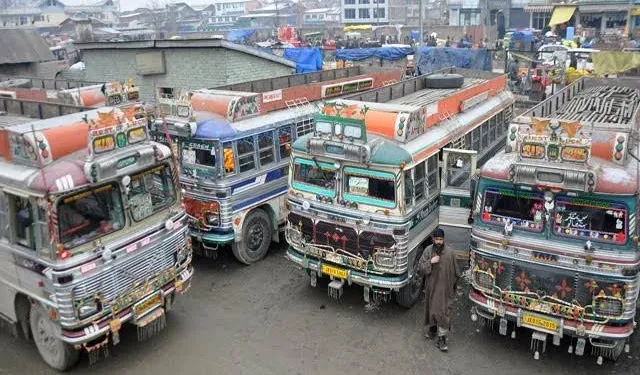
For millions of residents across Jammu & Kashmir, public transport is not merely a service—it is a daily necessity. From students travelling to colleges, office-goers commuting to workplaces, small traders moving between markets, to rural residents accessing healthcare facilities, buses, minibuses, taxis, and auto-rickshaws form the backbone of everyday mobility.
Against this backdrop, the Jammu & Kashmir Government’s decision to approve an 18% hike in public transport fares has sparked widespread discussion, concern, and debate. While transport operators have welcomed the move as long-overdue relief from rising operational costs, commuters—already grappling with inflation—fear an added financial burden.
This mega-feature explores the decision in depth: why the hike was approved, what ground realities prompted it, how it will affect different sections of society, and what it signals for the future of transport policy in Jammu & Kashmir.
The Decision Explained: What the Government Approved
The Transport Department of Jammu & Kashmir formally approved an 18% revision in fares applicable to all major categories of public transport operating across the Union Territory.
Modes Covered Under the Fare Hike
The revised fares apply uniformly across:
-
Stage carriage buses (both urban and rural routes)
-
Mini buses
-
Shared taxis
-
Private taxis
-
Auto-rickshaws
According to officials, the revision is comprehensive and territory-wide, covering both Jammu and Kashmir divisions, including hilly, remote, and urban routes.
Implementation Mechanism
-
Revised fare charts will be officially notified.
-
Charts will be displayed prominently inside vehicles.
-
Regional Transport Authorities (RTAs) and enforcement squads will monitor compliance.
-
Overcharging beyond approved rates will attract penalties under the Motor Vehicles Act.
Officials emphasized that the hike is regulated, not arbitrary, and aims to standardize fares that had, in practice, already become inconsistent due to informal adjustments by operators.
Why the Fare Hike Was Considered Inevitable
Rising Fuel Prices: The Primary Trigger
Fuel constitutes the single largest recurring cost for public transport operators. Over the past few years:
-
Diesel and petrol prices have remained volatile.
-
Even marginal increases significantly affect daily operational margins, especially for high-frequency routes.
Ground reports from transport unions indicate that many operators were running services at near-loss levels, particularly in rural and mountainous areas where fuel consumption is higher due to terrain.
Escalating Maintenance and Spare Parts Costs
Vehicle upkeep has become increasingly expensive due to:
-
Rising prices of tyres, engine oil, brake systems, and spare parts
-
Higher labour charges at workshops
-
Increased compliance costs related to fitness certificates, insurance, and permits
Transporters argue that maintenance costs have risen far beyond earlier fare calculations, making older fare structures unsustainable.
No Major Fare Revision in Years
One of the strongest arguments presented by transport unions was that:
-
Fares had not been revised in proportion to cost escalation.
-
Operators absorbed losses for extended periods.
-
Informal fare increases on certain routes emerged due to regulatory lag.
From a policy standpoint, the government faced a choice: formalize a controlled revision or risk unregulated pricing practices.
Voices from the Ground: Transporters’ Perspective
Financial Stress and Service Viability
Transport operators across J&K—especially small, single-vehicle owners—have repeatedly warned that:
-
Continuing services without revision would lead to route closures.
-
Rural and remote routes would be abandoned first, as they are less profitable.
-
Drivers and conductors face wage stagnation despite rising living costs.
Several operators pointed out that the fare hike is not about increased profits, but about survival and continuity of services.
Demand for Predictable Policy Framework
Transport unions have also called for:
-
Periodic fare revision mechanisms linked to fuel price indices
-
Transparent consultations before major policy shifts
-
Incentives for fleet modernization
The current hike, they argue, should be seen as a corrective measure, not a windfall.
Impact on Commuters: Who Feels the Pinch the Most
Students and Daily Wage Workers
The immediate impact will be felt most sharply by:
-
Students, especially those commuting long distances daily
-
Daily wage earners who depend on shared taxis and buses
-
Private sector workers with fixed salaries
For households already managing tight budgets, even a small increase per trip accumulates into a significant monthly expense.
Urban vs Rural Impact
-
Urban commuters may have alternatives such as shorter routes or shared rides.
-
Rural and hilly region residents often have no alternative but to rely on limited transport options, making fare hikes more burdensome.
Gendered Impact
Women, particularly those commuting for education, healthcare, or informal employment, may experience:
-
Reduced mobility
-
Increased dependence on fewer, more expensive transport options
This underscores the need for socially sensitive transport planning.
Economic Ripple Effects: Beyond Passenger Fares
Inflationary Pressures
Public transport costs are closely linked to the movement of goods. Higher transport costs can:
-
Increase prices of essential commodities
-
Affect supply chains, especially in remote regions
-
Add pressure to already elevated cost-of-living indices
Small Businesses and Informal Economy
Small traders, vendors, and service providers who rely on daily transport will see:
-
Higher input costs
-
Reduced margins
-
Potential pass-through of costs to consumers
While the fare hike alone may not trigger inflation, it adds to cumulative economic pressures.
Policy Balancing Act: Affordability vs Sustainability
The fare hike highlights a persistent policy dilemma:
-
Affordable transport for citizens
-
Financial sustainability for operators
Why Subsidies Alone Are Not Enough
While subsidized fares are politically attractive, they:
-
Require sustained fiscal support
-
Often result in service quality decline if not backed by funding
-
Can discourage private operators from maintaining fleets
The Case for Targeted Support
Experts suggest:
-
Student and senior citizen concessions
-
Route-specific subsidies for remote areas
-
Fuel or maintenance incentives for operators on socially necessary routes
Such targeted measures can soften the impact without distorting the market.
Monitoring and Enforcement: Preventing Exploitation
One of the biggest concerns following fare hikes is overcharging.
Government Assurances
Authorities have committed to:
-
Strict enforcement of notified fares
-
Surprise inspections
-
Helpline numbers for passenger complaints
Role of Public Awareness
Passengers are encouraged to:
-
Check displayed fare charts
-
Demand receipts where applicable
-
Report violations to transport authorities
Transparency is essential to maintaining public trust in fare policy.
Future of Transport in J&K: Beyond Fare Hikes
Electric Mobility as a Long-Term Solution
The government has already signaled interest in:
-
Electric buses for urban routes
-
Reduced operational costs in the long run
-
Lower dependence on fuel price fluctuations
Integrated Public Transport Planning
A sustainable transport future will require:
-
Better route planning
-
Multimodal integration
-
Data-driven fare revisions
Fare hikes should be part of a broader reform roadmap, not a standalone response.
Expert View: A Necessary but Incomplete Measure
From a socio-economic standpoint, the 18% fare hike is:
-
Justified in light of rising costs
-
Necessary to prevent service collapse
-
Insufficient without complementary reforms
Transport policy must evolve beyond reactive decisions toward predictable, transparent, and inclusive frameworks.
Frequently Asked Questions (FAQs)
Q1: When will the new fares come into effect?
The revised fares will be implemented once official fare charts are notified and displayed by operators.
Q2: Does the hike apply to all routes?
Yes, the 18% hike applies across urban, rural, and inter-district routes in Jammu & Kashmir.
Q3: Can operators charge more than the approved fares?
No. Charging beyond notified fares is illegal and punishable.
Q4: Are there any concessions for students?
Existing concession policies remain unchanged unless separately revised by the government.
Q5: Will fares be revised again soon?
Officials have not indicated another revision, but future changes will depend on fuel prices and cost assessments.
Conclusion: A Decision with Long-Term Implications
The Jammu & Kashmir government’s approval of an 18% hike in public transport fares marks a critical policy intervention in a sector under financial stress. While it undeniably adds pressure on commuters, particularly vulnerable groups, it also prevents a deeper crisis that could have resulted in reduced services and transport shortages.
The challenge now lies in effective enforcement, transparent communication, and long-term mobility reforms. If handled responsibly, the fare revision can stabilize the transport ecosystem while paving the way for more sustainable, equitable, and modern public transport in Jammu & Kashmir.
In the end, the success of this policy will not be measured merely by fare charts—but by whether mobility remains accessible, reliable, and fair for all.